

Rural Earthworks That Make Your Property Work
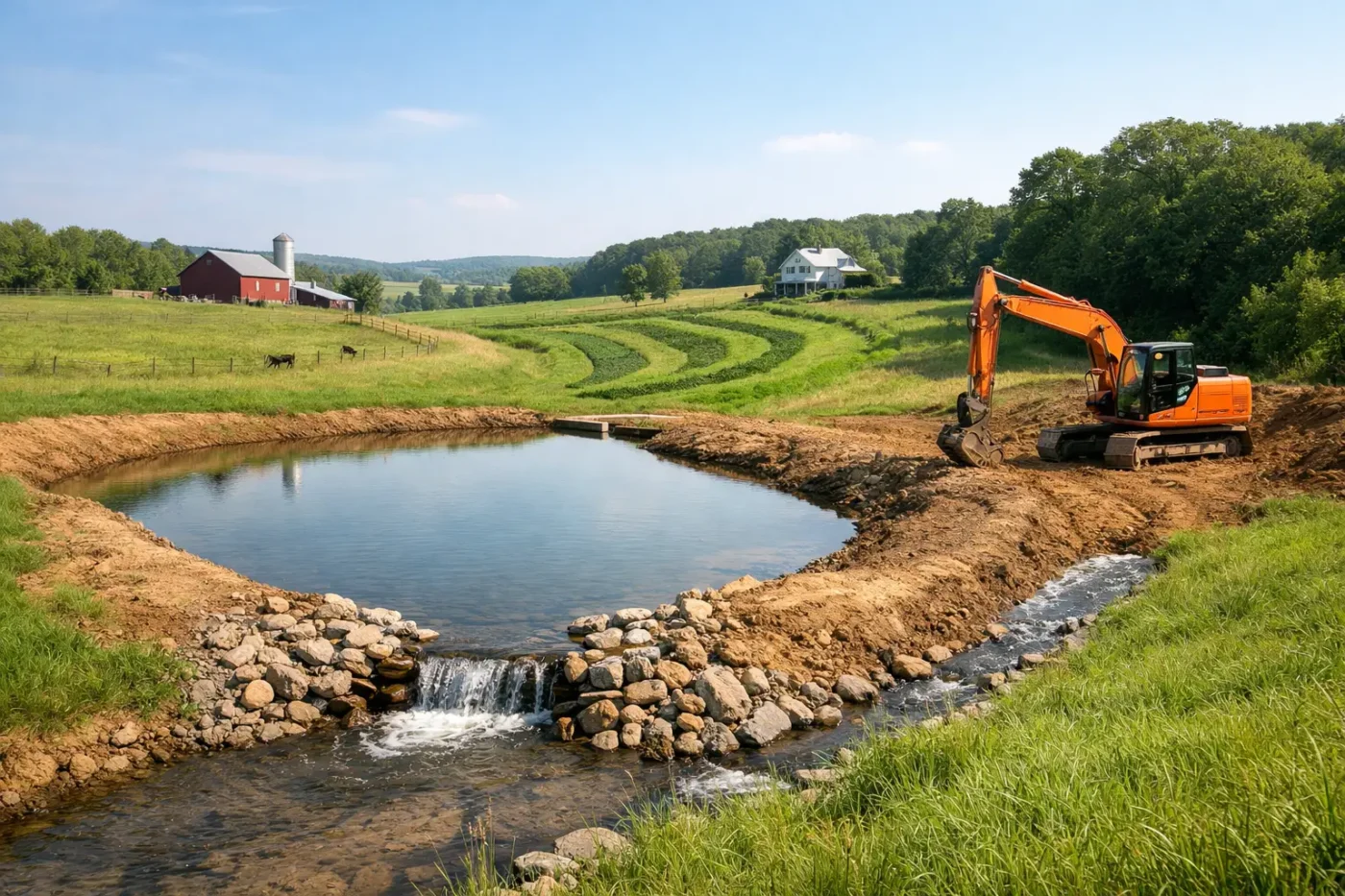
A washed-out driveway after heavy rain, a boggy shed site or a dam that no longer holds useful water can stop a rural property from working properly. Rural earthworks are not simply about moving dirt. They are about shaping land so stock, machinery, vehicles and people can use it safely, efficiently and with less ongoing maintenance.
For acreage owners and working farms, the best result starts with a clear understanding of how the property is used. A building pad needs different preparation to an equine arena. A private access road must handle water and traffic differently to a farm track used only in dry weather. Getting the levels, drainage and materials right at the start saves costly rework later.
What rural earthworks should achieve
Good earthworks make everyday jobs easier. They create reliable access, manage runoff, provide stable areas for buildings and improve the use of land that was previously rough, overgrown or difficult to reach. The work should suit the site, the soil type and the intended use rather than follow a one-size-fits-all approach.
On a rural block, water is usually the deciding factor. It can cut channels through a driveway, sit against a shed slab, soften a gateway or carry sediment into a dam. Proper falls, table drains, cross-drains and diversion points move water where it needs to go without creating a problem further downhill.
The other consideration is ground condition. Clay, rocky country, sandy soils and wet flats all behave differently under machinery and traffic. Excavation depth, compaction and the choice of road base or fill need to reflect those conditions. A tidy-looking job that has not been prepared properly may fail as soon as it sees a wet season or regular loaded vehicle traffic.
Rural earthworks for safer access
A practical driveway is one of the most valuable improvements on a rural property. It affects day-to-day access, emergency vehicle entry, feed deliveries, fencing work and the ability to move livestock or machinery in poor weather. It also sets the tone for how easily the rest of the property can be managed.
Road construction is more than grading a track flat. A durable private road needs a suitable formation, enough width for the vehicles using it, controlled drainage and a surface material that suits the site. Low points may need culverts or causeways, while steep sections may need careful shaping to prevent water from running down the wheel tracks.
Maintenance is part of the picture too. Even a well-built rural road will need attention after major storms, particularly where it carries regular traffic. The aim is to build an access route that can be maintained efficiently, rather than one that needs rebuilding every time the ground gets wet.
Driveways, tracks and crossings need a site plan
Before work begins, it pays to consider where vehicles enter and turn, where water naturally flows and whether the route will need to carry trucks, floats, trailers or machinery. Moving a driveway line slightly can sometimes reduce the need for extensive cut and fill, protect existing trees or avoid a known wet area.
This is also the time to think ahead. If a new shed, stockyard, arena or home site is planned, access should be designed around the finished property layout. It is generally more cost-effective to establish the main road and drainage first than to repair damage caused by construction traffic later.
Building pads, tank pads and shed sites
A level pad gives a project a sound starting point, but level does not always mean flat across the whole site. The finished surface needs to suit the building design, drainage requirements and natural fall of the land. On sloping country, this can involve cut and fill, benching and careful compaction to create a stable, usable area.
Shed pads and tank pads need particular attention because they carry concentrated loads. Poorly prepared ground can settle, hold water or make the next stage of construction harder than it needs to be. A properly formed pad allows builders and suppliers to get on site with confidence and helps protect the investment going on top of it.
For horse properties, arena preparation requires the same practical thinking. The base must drain effectively, remain stable and suit the planned surface. Water pooling beneath an arena can affect footing, increase maintenance and limit use after rain. Site preparation is not the glamorous part of an arena project, but it determines how it performs long after the surface is installed.
Drainage is not an add-on
Many earthworks problems come from treating drainage as something to address at the end. Once a road, pad or cleared area changes the way water moves, drainage needs to be part of the original plan. Water may need to be directed into stable grassed areas, suitable drains or established collection points rather than allowed to find its own path.
Trenching can also form part of a broader property upgrade. It may be needed for water lines, electrical conduits, drainage pipes or services to a shed, pump or new building area. Planning trenches alongside other excavation work can reduce repeat machine mobilisation and minimise disturbance to finished surfaces.
There is always a balance to strike. Deep drains and aggressive battering may move water quickly, but they can create erosion issues or make land harder to mow and maintain. The right approach depends on slope, soil, rainfall patterns and how the surrounding area is used.
Dam clean-outs and water storage works
A dam that has filled with silt loses depth, storage capacity and practical value. Dam clean-outs can restore usable water space, improve access for livestock or pumps and remove built-up material from the basin. However, the removed spoil needs a plan. It should be placed where it will not wash straight back into the dam or interfere with drainage and access.
The cause of the sediment should be considered as well. If runoff from a track, bare slope or upstream drainage line is carrying soil into the dam, cleaning it out without addressing that source may only provide a short-term result. In some cases, a small change to drainage or ground cover can protect the work and reduce future maintenance.
Earthmoving around dams also calls for sensible judgement. Banks, spillways and surrounding ground should be handled carefully so the dam remains safe and functional. The goal is dependable water infrastructure, not just a cleaner-looking hole in the ground.
Clearing and excavation often go together
Root removal, scrub clearing and farm clean-ups can reveal usable land, but they also leave a site that needs to be properly finished. Stumps, buried roots, old fencing debris and uneven ground can make future fencing, mowing, road construction or building work difficult.
Combining vegetation management with earthworks can keep a project moving without multiple contractors working over the same area. For example, forestry mulching may open up an overgrown line, followed by excavation to remove roots, establish drainage or prepare a fence corridor. On a larger property improvement project, this coordination reduces delays and helps ensure the finished site is ready for its next use.
It is not always necessary to clear everything. Retaining selected vegetation can provide shade, shelter, privacy and erosion control. The practical question is whether the growth is preventing safe access, creating fire risk, damaging fences or limiting how the paddock, driveway or building area can be used.
Choosing the right machinery and operator
The machine should fit the job, not the other way around. A Positrack is useful for spreading material, shaping surfaces and working across many property tasks, while an excavator is well suited to trenching, drainage, dam work, root removal and more detailed excavation. The real value comes from an operator who understands what the finished surface needs to achieve.
Ask for a clear discussion of the proposed work before machinery arrives. That should cover the intended use of the area, where spoil and material will go, drainage direction, access for trucks and any fencing, utilities or established features that need protection. A reliable contractor will also be upfront where site conditions could affect the scope or cost.
For regional NSW properties, weather and ground moisture can change a job quickly. Flexible scheduling is sometimes necessary, but communication matters. Work should proceed when conditions allow a quality finish, not simply because a date has been booked.
Plan the work in the right order
Earthworks are often the foundation for every job that follows. Establishing access, drainage and building pads before fencing, construction or landscaping avoids unnecessary damage and duplicated work. It also gives property owners a clearer path for budgeting staged improvements.
Agtech Fencing & Rural Services approaches rural projects with that practical view: assess the site, use the right equipment and leave behind work that supports the way the property needs to operate. Whether the priority is a dependable driveway, a stable shed pad, cleaner dam access or better drainage, the best earthworks are the ones you stop having to worry about once the next wet season arrives.