

Fire Planning for Rural Properties That Works
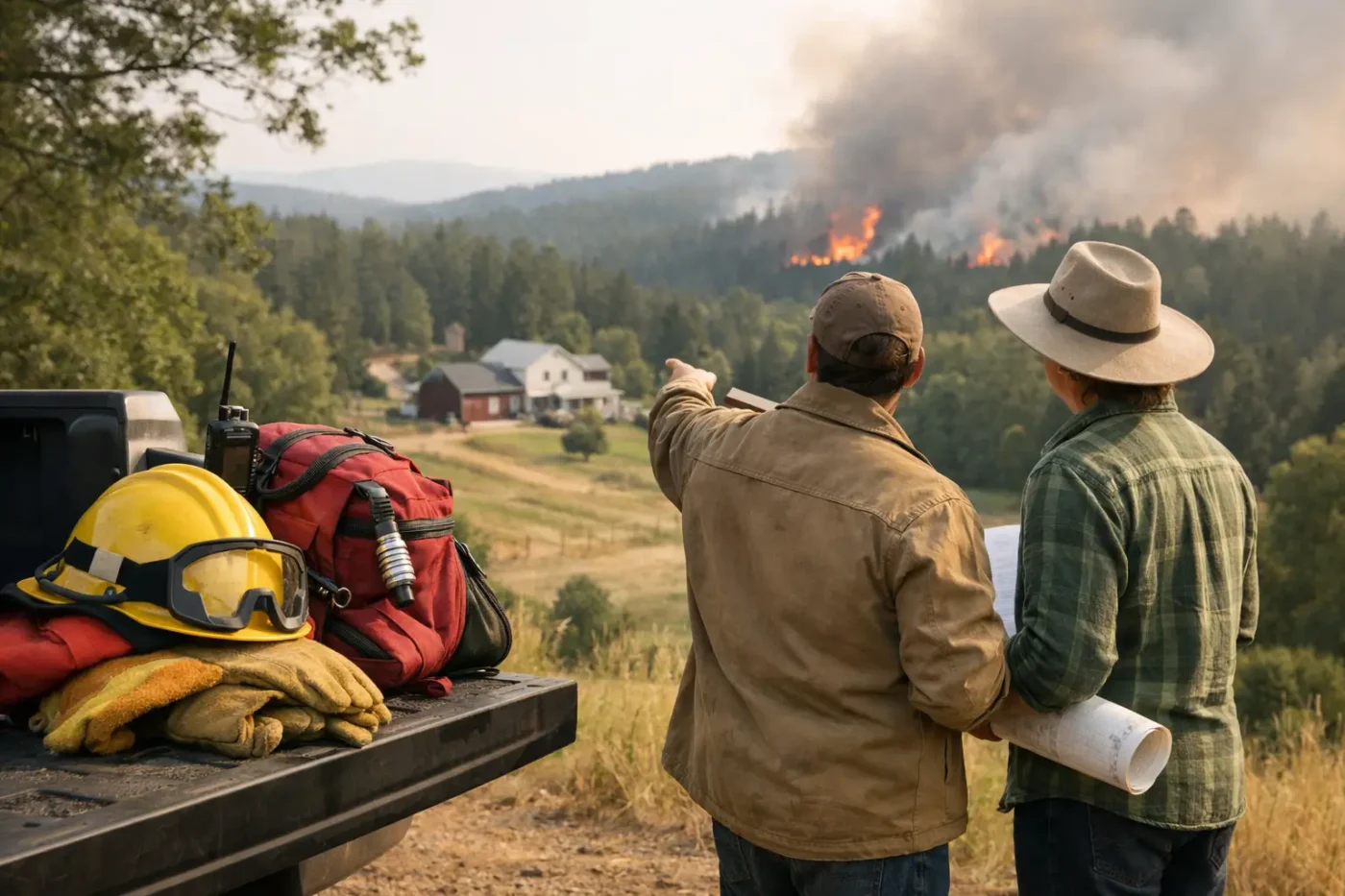
A grassfire does not need much room to become a serious property problem. Long grass under a boundary fence, branches over a driveway, an inaccessible dam or a gate that cannot be opened quickly can all slow down a response when minutes matter. Good fire planning turns those weak points into practical jobs that can be completed well before the hotter, drier months arrive.
For rural and semi-rural landholders, the aim is not to make a property fireproof. That is not realistic. The job is to reduce available fuel, give people and vehicles safe access, protect key assets and make the property easier to defend where conditions allow. It takes a clear look at the whole block, from the road frontage and entrance through to sheds, yards, fences, dams and bushland edges.
Start fire planning at the property entrance
The entrance is often overlooked because it is used every day. During an emergency, however, it needs to work for someone who has never visited the property before and may be arriving in a large fire appliance under difficult conditions.
Make sure the property number is visible from the road in both daylight and low light. Gates should be clearly identified, easy to open and wide enough for expected emergency or heavy vehicles. If a gate is chained, consider how access will be managed when you are not home. A narrow, overgrown entrance might suit a ute, but it can stop a truck or tanker from getting in when it is needed.
Driveways need the same attention. Low branches, soft shoulders, steep washouts and tight turns can limit access. Maintain a usable running surface, drainage that keeps water off the road and adequate clearance for machinery. On larger properties, turning areas and alternate access routes can be worthwhile, particularly where a long dead-end driveway passes through timber or dense vegetation.
This work has day-to-day value as well. A well-built access road is safer for deliveries, livestock work, building projects and regular maintenance, not just fire response.
Manage fuel without creating bigger problems
Vegetation is part of a healthy rural property, but unmanaged fuel close to buildings, fences and access tracks raises the fire load quickly. The right approach depends on the terrain, soil type, vegetation, livestock use, environmental requirements and how the land is managed through the year.
Start by separating the property into practical zones. The area immediately around the house, sheds, tanks, yards and machinery storage should be kept tidy and low-fuel. Remove accumulated leaf litter from gutters and around structures, keep grass maintained, move firewood and stored materials away from buildings, and cut back vegetation that could carry flames close to walls, windows or rooflines.
Further out, look at how fire could travel across the block. Tall grass, lantana, blackberry, woody weeds, fallen timber and thick regrowth can form a continuous fuel path. Breaking up that continuity is often more useful than simply clearing one patch hard. Forestry mulching, selective vegetation management, weed control and properly planned firebreaks can reduce fuel while retaining useful trees, shade and shelter where appropriate.
Clearing every tree is not a fire plan. It can expose soil, create erosion issues, increase weed growth and remove the wind protection or livestock shelter that makes a property workable. A site-specific approach is the better investment: treat dense or high-risk growth, maintain asset protection areas and retain vegetation where it is safe and practical to do so.
Maintain firebreaks, tracks and fence lines
Firebreaks are not just bare strips pushed through grass. They need to be located, constructed and maintained for the conditions on your land. A break that washes out after heavy rain, fills with regrowth or ends at an impassable creek crossing may offer far less value than expected.
Fence lines also deserve attention. Grass, vines and fallen branches against wire fencing can carry fire along a boundary, damage posts and make later repairs more difficult. Keeping fence lines clear supports both fire management and routine inspections. Where replacement fencing is planned, discuss access, gate placement and future maintenance at the design stage rather than treating them as separate jobs.
Protect water, pumps and essential infrastructure
Reliable water access is central to practical fire planning. Check what water is available, where it is located and whether it can be reached safely. A dam may hold plenty of water but be of limited use if the approach is boggy, the bank is unstable or no vehicle can turn around nearby. Likewise, a tank is only useful if fittings, pumps and hoses are maintained and people know how they operate.
Keep water points accessible by maintaining tracks, clearing vegetation and ensuring gates can be opened. Consider the condition of dam banks, crossings and pump locations. Dam clean-outs, drainage works and access improvements can make an existing water source more useful while also improving stock water and general property function.
Protect critical infrastructure from direct flame and radiant heat where possible. This includes pumps, pressure systems, generators, fuel storage, solar equipment, machinery sheds and livestock handling facilities. Keep flammable materials well clear, avoid storing rubbish or surplus timber against structures, and make sure pump or generator areas are not buried in long grass.
It is also worth thinking through power outages. If your pump depends on mains power, what happens when power is lost? A backup arrangement may be appropriate, but it needs to be tested before an emergency rather than assumed to work.
Plan around livestock, horses and pets
Fire planning for a working farm or equine property needs to account for animals early. Trying to relocate stock once smoke is in the air can be dangerous for people and animals alike.
Identify paddocks that may provide safer holding areas, taking into account available feed, water, fencing condition and access. A closely grazed paddock with reliable water and secure fencing may be more suitable than a small yard surrounded by trees and sheds. The answer will vary by property, stock numbers and the type of fire risk present.
Check gates, latches and internal fencing before fire season. Animals under pressure can test weak fencing quickly, and damaged gates create problems when quick movement is required. For horse properties, ensure float access is practical and identify which animals can realistically be moved. Not every horse can be loaded quickly, especially in stressful conditions.
Keep collars, leads, carriers and current identification details in an accessible place for pets. If you have agistment arrangements or staff on the property, make sure everyone understands who is responsible for decisions and where animals are expected to go.
Build a plan that people can actually use
A fire plan should not be a document that sits in a drawer. It needs to be simple enough for family members, employees or neighbours to follow when conditions are changing quickly.
Record the property address, access instructions, water points, gates, key contacts and locations of pumps, first-aid kits, extinguishers and emergency shut-offs. Mark areas of concern, such as steep tracks, creek crossings, fuel storage or bridges with load limits. Keep a printed copy in a known location and make sure the information is also available on mobiles where possible.
Decide early what your trigger points are. Will you leave when a watch and act notice is issued for your area, when fire activity reaches a certain distance, or earlier if family members, animals or road conditions make staying unsafe? The correct decision depends on official advice, your property, your capabilities and the conditions on the day. Never rely on a plan that requires last-minute clearing, machinery work or livestock moves after fire danger has escalated.
Review official bush fire guidance and any requirements that apply to your property, building approvals or local area. If you are in a bush fire prone area, new works, vegetation changes and asset protection measures may have specific obligations. A qualified local professional can help with practical site works, but emergency decisions should always follow advice from the relevant authorities.
Use winter and early spring for the heavy work
The best time to organise major vegetation management, track repairs, drainage, fencing upgrades and dam access is before the fire season creates urgency. Wet-weather damage can be repaired, regrowth can be treated before it becomes dense, and machinery can work without the pressure of approaching extreme conditions.
For larger blocks, stage the work. Start with access and the immediate area around buildings, then tackle high-fuel boundaries, water access, internal tracks and longer-term fencing improvements. This spreads cost and keeps the plan realistic, while still improving the property each season.
Agtech Fencing & Rural Services can combine vegetation management, fire-reduction works, access improvements, drainage, earthworks and fencing to help landholders address connected problems in one practical programme of work. The right scope depends on the block, but clear communication, suitable machinery and durable workmanship make a real difference.
A well-prepared property is easier to manage in every season. Walk your block before the heat builds, note what would slow you down, and start with the jobs that make access safer, fuel lower and key assets easier to protect.