

New England Tank Pads Built for Rural Sites
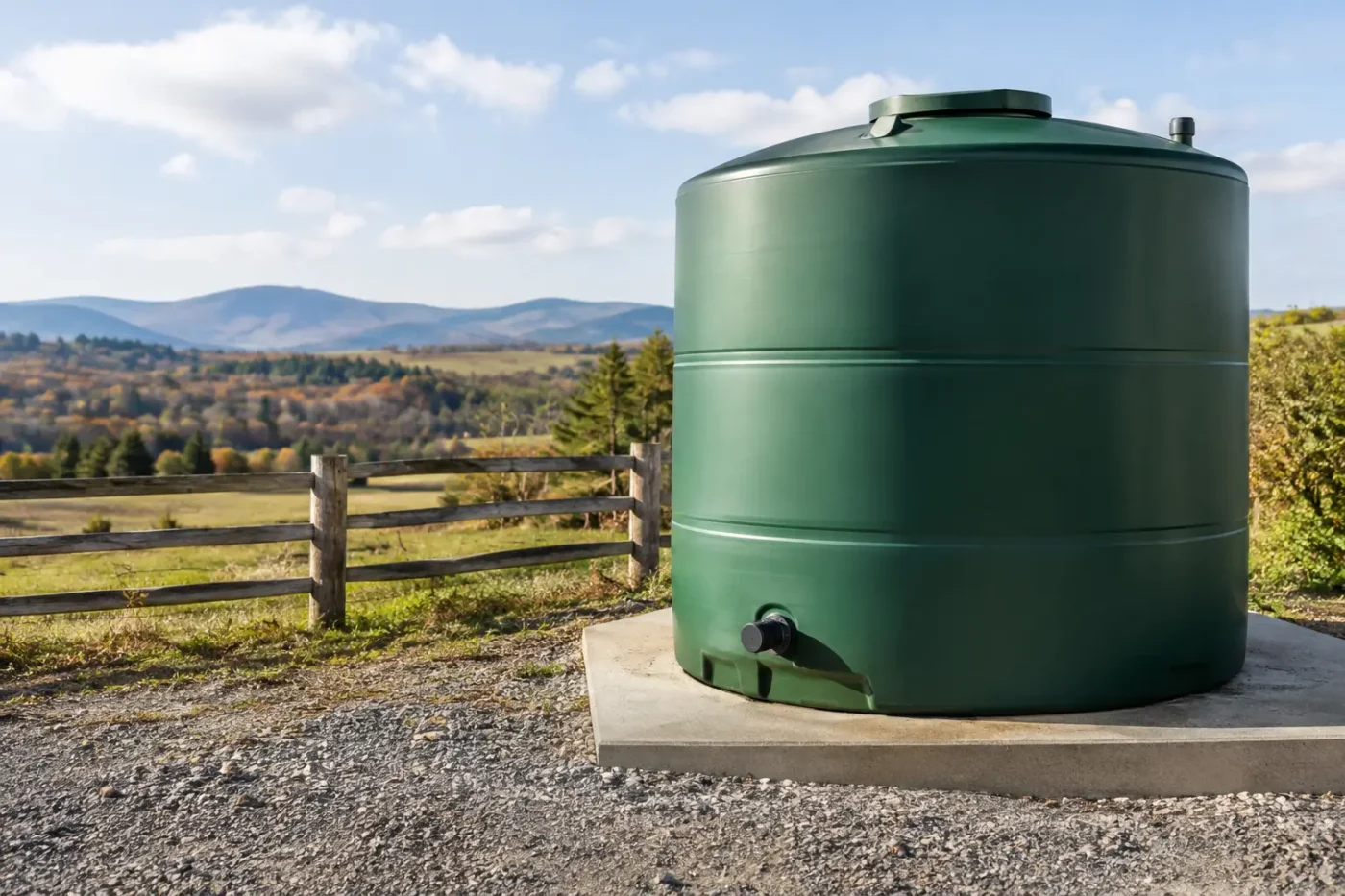
A water tank is only as dependable as the ground beneath it. New England tank pads need to deal with sloping blocks, reactive soils, heavy rain, frost and the concentrated load of a full tank. Getting the pad right from the start protects the tank, helps keep plumbing connections sound and avoids a costly repair after the first wet season.
For rural properties, a tank pad is not simply a patch of flattened dirt. It is a prepared base designed around the tank size, ground conditions, access requirements and where surface water will travel once the weather turns. Whether the tank is supplying a house, livestock yards, a shed or firefighting storage, the preparation work matters.
Why New England tank pads need proper preparation
A full rainwater tank is a serious load. Even a modest 22,500-litre tank holds more than 22 tonnes of water when full, before allowing for the tank itself. If the ground is soft, uneven or poorly compacted, the base can settle unevenly. That movement may stress the tank wall, distort the floor or place strain on pipework and fittings.
New England properties can have very different site conditions within a short distance. One block may have firm gravelly ground, while the next has clay that holds water or fill from previous building works. A pad that performs well on one site may not suit another. The right approach depends on the soil, slope, drainage and tank manufacturer’s installation requirements.
A well-built pad provides a level, stable footprint with enough room around the tank for installation and future maintenance. Just as importantly, it directs water away rather than allowing runoff to pond around the base. Water sitting against the pad can soften surrounding soil, wash fines away and create access problems when maintenance is needed.
Start with the tank, the site and the water flow
The first job is confirming what the pad needs to support. Tank diameter, capacity and material all affect the required pad size and finish. Round poly tanks, steel tanks and slimline tanks have different footprints, while linked tanks may need a larger prepared area and careful allowance for connecting pipes.
The pad should generally extend beyond the tank footprint so the tank has full support across its base. Exact dimensions should follow the tank supplier’s specifications, not guesswork. A tank that overhangs the prepared base can be damaged as its weight bears down on unsupported edges.
Site selection is equally practical. Placing the tank close to roof catchment and the intended point of use can reduce trenching and pipe runs, but convenience should not override drainage. Low points that collect water are rarely the best location. Neither are steep sections that require excessive cut and fill without a proper plan for retaining, compaction and runoff.
Access needs attention before earthworks begin. A delivery truck, crane truck or tank installer needs a safe route to the location. On rural blocks, that may mean checking driveway width, turning space, overhead branches, powerlines, wet-weather access and whether the final tank position can be reached without crossing a soft paddock.
What a dependable tank pad is made of
The finished surface often looks simple, but the work beneath it makes the difference. Loose topsoil, organic material, roots and soft spots should be removed until a suitable base is reached. Leaving topsoil under a tank pad is asking for future settlement, particularly where ground stays damp after rain.
From there, the site may need to be trimmed, cut into a slope or built up using suitable material. Imported road base, crushed rock or approved fill may be used where needed, placed in manageable layers and compacted properly. Deep fill cannot simply be pushed into place and driven over once. It needs controlled placement and compaction so the base performs under load.
The surface must be level and even. This is especially important for tanks, as a slight fall that seems harmless when empty can become a major problem once thousands of litres of water are added. A professional operator will check levels throughout preparation rather than relying on how the ground looks from the ute.
The final finish depends on the tank type and supplier guidance. Some tanks require a compacted sand bedding layer over the structural base to protect the underside from sharp aggregate. Others may be suitable for a prepared gravel base or concrete slab. Using the wrong surface can void manufacturer recommendations or create pressure points beneath the tank.
Drainage is part of the pad, not an add-on
A pad can be perfectly compacted and still fail if drainage is ignored. Rainwater should be encouraged to move around and away from the tank, without causing erosion downslope or flooding nearby structures. On a gentle site, this may be achieved with sensible shaping and a shallow diversion drain. On a steeper block, spoon drains, swales, rock protection or more formal drainage may be required.
Roof overflow also needs a destination. When tanks fill during sustained rain, overflow should not discharge directly beside the pad. That volume of water can scour soil and undermine the edge of the prepared area. Plan the overflow route before installation, particularly where the tank sits uphill from a shed, house, track or neighbour’s boundary.
Common shortcuts that cause expensive trouble
The most common issue is building on unprepared ground because it appears firm in dry weather. Clay can feel hard on top but soften significantly after prolonged rain. Similarly, recently placed fill may look level yet continue settling for months if it has not been compacted in layers.
Another mistake is undersizing the pad to save material or machine time. The tank needs full, continuous support. A narrow base leaves no margin for placement accuracy, future movement or safe access around the tank.
Poor drainage is close behind. Water trapped around the tank can create mud, mosquito-prone puddles, corrosion concerns around fittings and a difficult work area. It can also damage adjoining driveways and trenches if runoff has not been considered as part of the overall site layout.
Finally, avoid treating all tanks the same. Manufacturer instructions are not paperwork to file away. They set out the base, bedding and installation conditions intended to protect the tank and its warranty. The tank supplier’s requirements should guide the finished surface, while the site conditions determine the earthworks and drainage needed underneath.
When a basic pad is enough and when it is not
A straightforward tank pad can suit a level site with stable ground, clear access and natural fall away from the tank. In that situation, preparation may involve stripping topsoil, levelling the area, installing compacted base material and finishing it to the tank supplier’s requirements.
More involved work is needed where the tank location sits on a slope, over reactive clay, on fill, beside a driveway or close to a building. The site may require excavation, benching into firm ground, engineered fill, drainage work or a retaining solution. There is no benefit in overbuilding a simple site, but cutting corners on a difficult one often shifts the cost into repairs later.
It also pays to consider the broader property plan. If a shed pad, driveway, stockyard, pump line or new fencing is planned nearby, completing compatible earthworks at the same time can reduce repeat mobilisation and prevent freshly finished areas from being disturbed later.
Choosing the right contractor for tank pad work
A capable contractor should ask practical questions before quoting: What tank is being installed? Where will it be delivered? What does the ground do in wet weather? Where will overflow go? Is there a nearby building, access track or service trench to protect?
They should also have machinery suited to shaping, excavating and compacting the site without making a mess of the surrounding property. Clear communication matters just as much. Landholders need to know what material is proposed, how drainage will work and whether the site presents conditions that may change the scope.
Agtech Fencing & Rural Services provides practical earthworks for rural properties, including tank pads, building pads, drainage, trenching and access work. The aim is simple: prepare a base that suits the site and gives your tank the support it needs for the long haul.
Before booking tank delivery, walk the proposed location after rain if possible. The way water sits, runs and softens the ground will tell you far more than a dry-day inspection, and it gives you the best chance of building a tank pad that stays level when conditions are at their toughest.