
New England Fence Replacement That Lasts
A fence that is leaning, rusted through or regularly patched is more than an eyesore. On a rural property, it can mean stock getting onto the road, dogs roaming, horses injuring themselves, or a boundary becoming difficult to manage. A properly planned New England fence replacement restores security, makes daily work easier and gives you infrastructure that suits the country it has to stand in.
The New England region can be hard on fencing. Frosts, wet winters, dry spells, uneven ground, granite country and heavy vegetation all affect how long a fence will hold up. Replacing a fence is therefore not just a matter of pulling out old wire and putting new wire back in. It is the right time to correct poor alignment, improve drainage, clear problem vegetation and choose materials that match the job.
Start with why the existing fence failed
Before selecting posts or wire, look closely at the cause of failure. A fence that has simply reached the end of its service life needs a different solution from one that has failed due to poor drainage, shallow posts, livestock pressure or trees growing through the line.
Old timber posts may have rotted at ground level, particularly in damp gullies or shaded country. Steel posts can loosen where soil stays wet, while wire may sag after repeated pressure from cattle, wildlife or fallen branches. If the fence line crosses a creek, drainage path or low-lying paddock, water movement may be the real issue rather than the fence materials themselves.
This assessment also helps avoid wasting money on a like-for-like replacement that will fail in the same way. Moving a line slightly uphill, installing better end assemblies or clearing regrowth beside the fence can make a practical difference over the life of the job.
Match the fence to the property and stock
There is no single best fence for every New England property. The right design depends on what needs to be contained or excluded, how often the paddock is used, the terrain, and the level of ongoing maintenance the owner is prepared to take on.
For cattle and general farm boundaries, stock fencing with well-built strainers, correctly tensioned wire and suitable posts remains a reliable option. On larger runs, durability at corners, gateways and changes in direction matters as much as the wire itself. These are the points that take the greatest load.
Sheep and goats usually require a closer mesh and careful attention at the bottom of the fence. A small gap beneath a fence can quickly become an escape route. Where wild dogs are a concern, dog-proof fencing needs a more considered design, including the appropriate mesh, apron or ground treatment where required, secure joins and gates that do not leave weak points.
Equine fencing deserves its own approach. Horses can be hard on fences and are more vulnerable to injury from unsuitable materials. Post and rail fencing, or purpose-built horse fencing with highly visible rails or wire systems, can provide clear boundaries without introducing unnecessary hazards. The best option depends on the horses, paddock size, available budget and whether the fence is a primary boundary or an internal division.
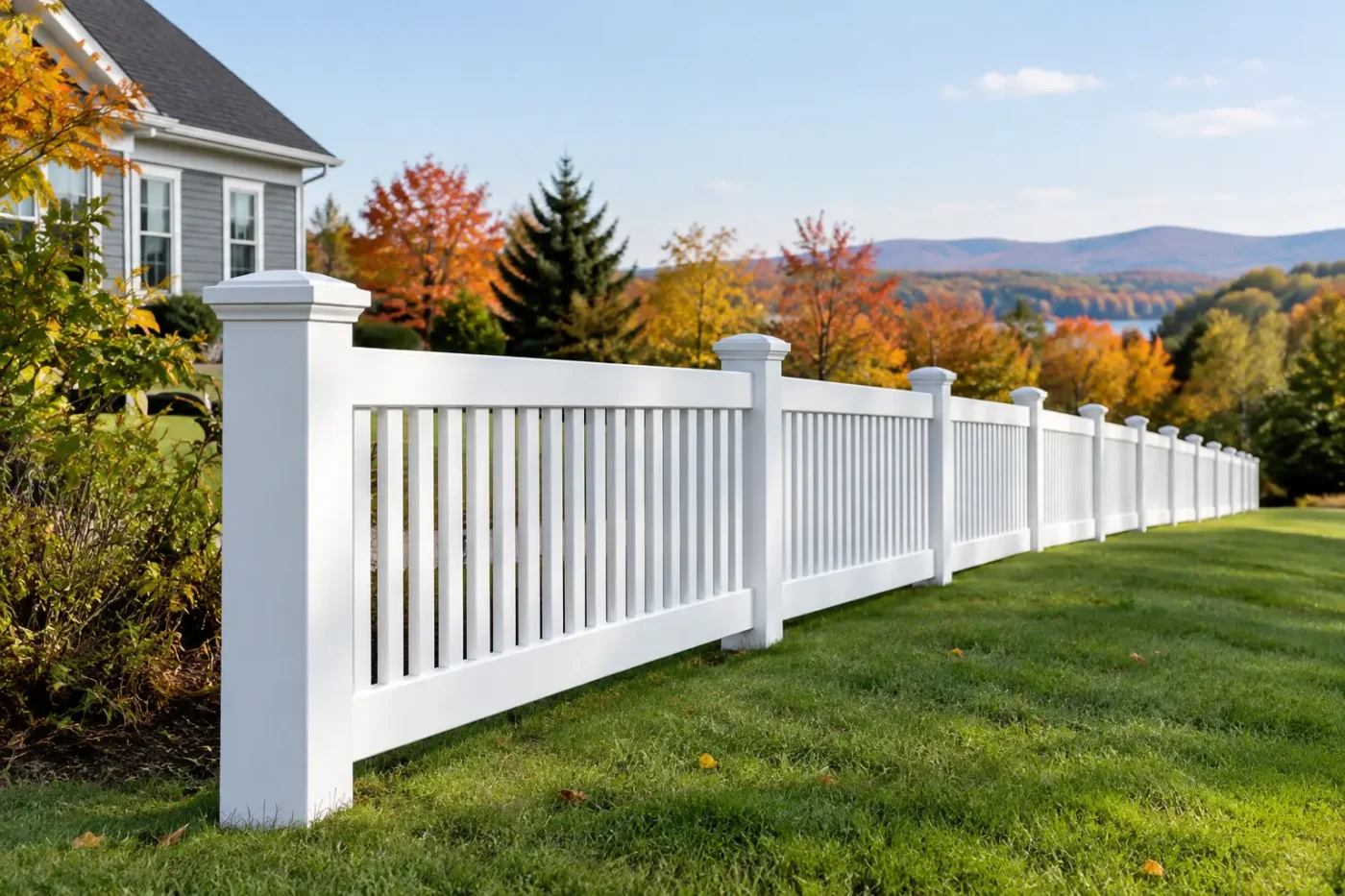
For acreage homes, a replacement fence may need to contain dogs, define a boundary and complement the property at the same time. That can mean combining practical rural fencing at the rear or side boundaries with post and rail or a more finished frontage near the home.
Gates need the same attention as the fence
A new fence is only as useful as its access points. Gates should suit the vehicles, machinery and stock movements on the property. A narrow gate that works for a ute may be frustrating when a tractor, float or livestock trailer needs to pass through.
Place gates where they support day-to-day work rather than where they are easiest to install. Consider drainage as well. A gateway positioned at the bottom of a slope can become boggy and damaged quickly, especially where stock gather and water runs across the track.
Good preparation protects the finished job
Fence replacement often exposes other property issues. Thick lantana, blackberry, fallen timber, old wire and stumps can make access difficult and compromise the new line. Clearing the corridor properly gives the crew room to set out the fence, install strainers accurately and tension the wire without working around avoidable obstacles.
On steep or heavily vegetated blocks, machinery can make preparation safer and more efficient. Forestry mulching can deal with regrowth and light timber without leaving large piles of rubbish to burn or remove. Root removal, excavation or minor earthworks may also be needed where an old line has shifted, drainage has cut channels through the ground, or a new alignment is the better long-term option.
It is worth discussing these works before fencing starts. Coordinating vegetation management, drainage and fencing through one contractor can reduce delays and prevent a newly completed fence from being damaged by later clearing or earthmoving work.
Choose materials for the conditions, not just the upfront price
The cheapest quote is not always the most economical fence. A lower initial cost can disappear quickly if posts fail early, wire requires constant tightening, or the layout does not suit stock pressure and access needs.
Treated timber, concrete posts, split posts, steel posts and pickets all have a place. Timber can provide a traditional, strong finish and is often well suited to post and rail work. Concrete posts can offer long service life in certain conditions, while steel posts and pickets are practical across many stock-fencing applications. The best choice comes down to soil type, moisture, terrain, fence design and the expected working life of the fence.
Wire selection matters just as much. High-tensile wire can be effective when installed and strained correctly. Hinge-joint mesh, netting and other specialised products may be better suited to small stock, dogs or exclusion fencing. Electric offsets may be a sensible addition where cattle or horses tend to push against a boundary.
A good contractor should be able to explain the trade-offs plainly: where spending more will provide a real benefit, and where a simpler option will do the job just as well.
Plan for wet ground, slopes and frost
New England fencing conditions can change significantly across one property. A sunny ridge may have firm, dry ground, while a nearby gully stays damp for much of winter. Fence posts, wire tension and drainage need to account for these differences.
On slopes, correct strainer assemblies and bracing are essential. The fence must carry tension across rises and falls without pulling corners out of line. In drainage areas, it may be necessary to use flood-friendly sections, stronger construction or adjusted alignment so the fence can cope with debris and water flow.
Frost can also contribute to ground movement and loosen posts over time. Setting posts to an appropriate depth and spacing them for the terrain helps keep the fence straight through seasonal changes. This is where experienced installation pays off. A fence can look neat on completion but still be poorly prepared for the first wet winter.
Know when repair is no longer worthwhile
Repairs make sense when damage is isolated. Replacing a few posts, re-tensioning wire after a fallen limb, or repairing a damaged gateway can extend the life of an otherwise sound fence.
Replacement is usually the better call when failures are widespread, strainers have moved, multiple posts are rotten or loose, wire is badly rusted, or the fence no longer suits the way the property is being used. Repeated patching can create inconsistent tension and weak joins along the line, turning routine maintenance into a regular headache.
If you are changing enterprises, replacement may also be an opportunity to redesign. A former cattle paddock may need safer horse fencing. A boundary that once only marked a line on the map may now need to contain dogs or improve security around a rural residence.
Get the scope clear before work begins
A useful fencing quote should cover more than a metres-per-line price. It should identify the fence type, post spacing, strainer and brace construction, wire or mesh specification, gates, site access and any preparation needed. If clearing, drainage or removal of the old fence is required, that should be discussed upfront rather than treated as an afterthought.
It also helps to walk the line with the contractor where possible. Point out wet patches, rocky ground, buried services, stock movements, planned sheds or laneways, and any areas where machinery access will be tight. Clear communication early on leads to a more accurate quote and fewer surprises once work is underway.
For property owners across the New England region, Agtech Fencing & Rural Services can combine rural fencing with vegetation management, clearing and practical earthworks where the job calls for it. The result is a fence line prepared for the conditions, not simply installed around them.
A replacement fence should give you confidence every time you check stock, open a gate or leave the property. Put the planning into the line before the first post goes in, and it will keep doing its job long after the old fence has been forgotten.