
Machinery Relocation for Rural NSW Projects
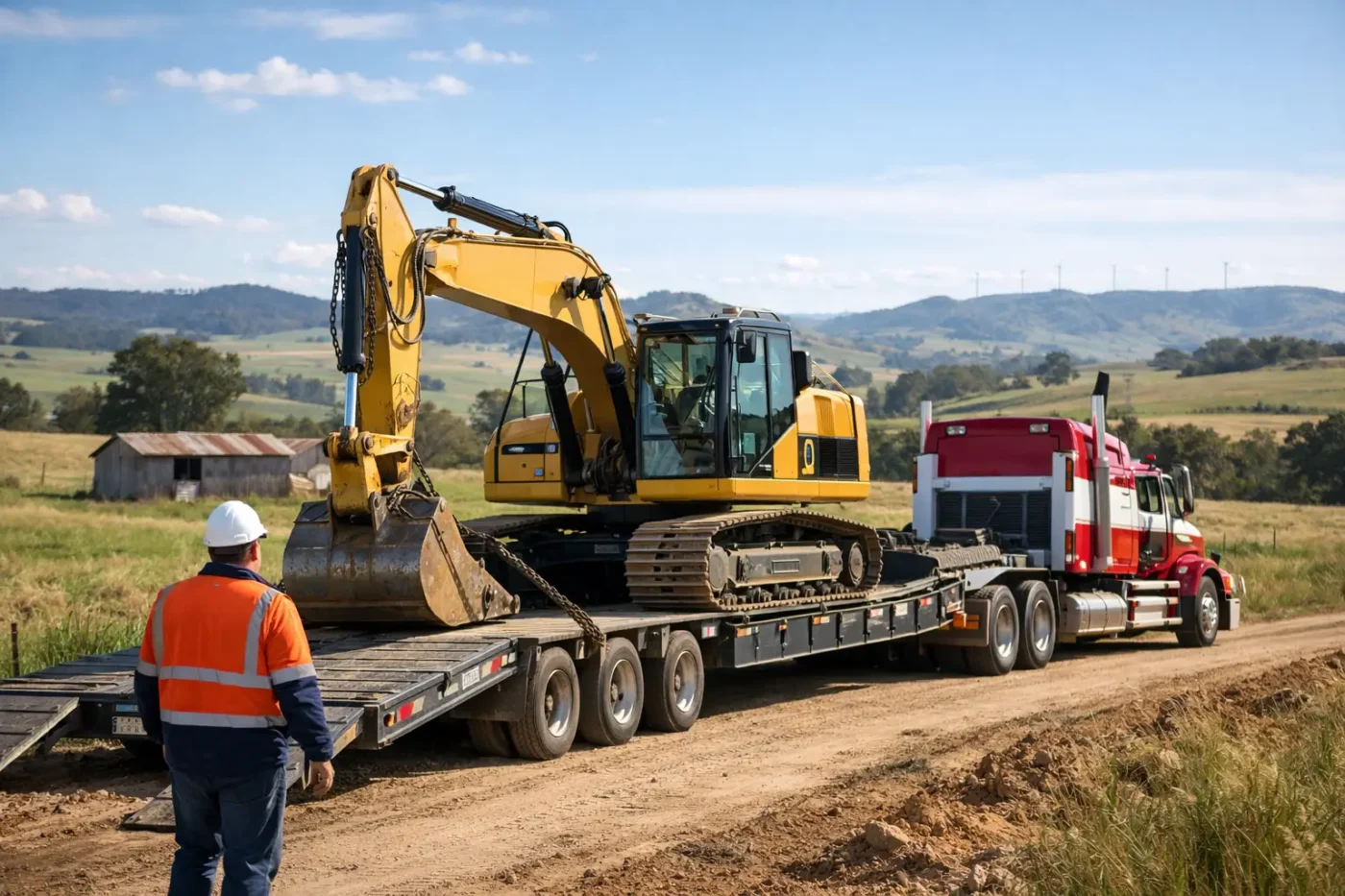
A machine sitting at the wrong end of a property can hold up far more than one job. Whether you are moving an excavator for a dam clean-out, shifting a Positrack for fire-reduction work or delivering a tractor to a new block, machinery relocation needs proper planning before the truck arrives. The right transport arrangement protects valuable equipment, keeps people safe and helps your project start when it should.
For rural properties, the challenge is rarely just loading a machine onto a float. It is often the narrow farm gate, soft access track, low branches, wet crossing, steep driveway or limited turning space at the destination. A dependable relocation plan considers the entire trip, from machine preparation at pickup through to safe unloading and positioning on site.
Why machinery relocation needs more than a truck
Heavy equipment is built to work hard, but it is not automatically ready for road transport. Excavators, skid steers, tractors, telehandlers, rollers and farm implements all have different weights, tie-down points, heights and loading requirements. An incorrect trailer, rushed loading process or poor restraint can cause damage before the machine has even left the yard.
There is also a practical cost to getting it wrong. A delayed machine can leave an earthworks crew waiting, postpone fencing preparation, push out a builder’s schedule or leave a fire-management job unfinished ahead of the season. On a rural site where several tasks are being coordinated, transport timing matters as much as the machine itself.
The best approach depends on the machine, travel distance and site access. A small machine travelling between nearby properties may be straightforward, while an oversize load or a machine heading into hilly country can require more route planning, permits and careful delivery timing. A professional operator will be upfront about these requirements rather than promising a delivery time that cannot be safely met.
Start with the machine details
Before booking transport, confirm exactly what is being moved. Make, model, operating weight and overall dimensions are the starting point. Attachments matter too. A bucket, slash rake, auger drive, mulcher head or tilt hitch can change the machine’s transport height, weight distribution and the trailer needed.
If the machine has removable attachments, it may be safer and more efficient to transport them separately or position them correctly on the deck. Folding booms, mirrors, exhaust stacks and loose tools should be checked before loading. Fuel levels, battery condition and hydraulic leaks also deserve attention, particularly if the machine has been sitting unused.
Provide clear information to the haulage operator early. Useful details include:
- machine make, model, weight, width and height
- all attachments, extra buckets or implements travelling with it
- pickup and delivery addresses, including property names where relevant
- gate widths, driveway conditions, bridges, grids and turning areas
- preferred delivery date and whether someone will be available on site.
Photos of both access points can be especially useful. A quick look at a gate, driveway bend or unloading area can prevent a truck arriving to find it cannot safely enter or turn around.
Check rural access before transport day
A long driveway is not necessarily suitable for a loaded float. Road base may be loose, culverts may have limited load capacity and wet ground can quickly become a recovery job. On acreage and farming properties, access can change from one week to the next after heavy rain, grading works or livestock movement.
Check overhead clearance as well. Low tree limbs, service lines and shed roofs can create problems for taller loads. If branches need trimming or a turning area needs improving, have that work completed before delivery day. This is preferable to making last-minute decisions with a loaded truck at the gate.
The unloading area should be firm, level where possible and clear of people, livestock, vehicles and loose materials. Machinery needs enough room to come off the trailer in a controlled manner and move away from the ramp. Avoid choosing a low, boggy paddock simply because it is closer to the work area. It may be better to unload on solid ground and travel the final distance under the machine’s own power.
For jobs across the Mid North Coast, New England, Hunter Valley and Northern Rivers, conditions can vary sharply between properties. Steep country, wet coastal ground and narrow access roads all affect what is practical. Local experience is valuable because the transport plan needs to match the actual site, not just the address on a booking form.
Loading and restraint are non-negotiable
Safe loading starts with suitable equipment. The trailer must be rated for the machine and configured to carry its weight correctly. The machine is positioned to maintain proper balance, with attachments secured and the parking brake applied as required. Tracks, tyres and ramps should be free of excessive mud or debris that could affect traction.
Once loaded, the machine must be restrained using appropriate rated equipment and recognised tie-down points. This is not a job for improvised chains, worn straps or assumptions about what will hold. Load restraint requirements exist for a reason: a shifting machine can endanger the driver, other road users and the equipment itself.
Operators should also account for any loose gear. Buckets, forks, ramps, fuel containers and tools need to be secured independently. Leaving items to roll or move around the deck creates avoidable risk and can damage the load during braking or cornering.
Coordinate transport with the work sequence
The cheapest transport option is not always the best value if it delivers the machine too early, too late or without a suitable unloading plan. Coordinate relocation around the job sequence. If a site needs vegetation cleared before excavation begins, arrange the machine move after access is prepared but before the next crew is due to start.
This is particularly useful where one contractor can handle several stages of the work. For example, a property may need access tracks improved, vegetation mulched, a building pad prepared and materials shifted before fencing can begin. Coordinating transport with earthworks and land-management activities reduces downtime and limits the number of separate operators entering the property.
AGT Haulage supports this type of practical planning by moving machinery and large loads as part of wider rural property works. It gives landholders one point of contact when the job involves both getting equipment to site and completing the work once it arrives.
Allow for weather, permits and road conditions
Weather is a major variable in regional NSW. Rain can close access tracks, soften paddocks and make ramps unsafe. Extreme heat can affect machinery preparation and driver comfort, while high winds may influence some oversize or high-load movements. Build reasonable flexibility into the schedule, especially during wetter months or when the delivery point is off sealed roads.
Some loads may also require additional planning because of their dimensions or mass. Oversize machinery, wide implements and specialised equipment can be subject to route restrictions, permit conditions or travel-time requirements. These details should be confirmed well before the planned move, not on the morning of collection.
Clear communication helps here. If your access changes, rain has damaged a crossing or the machine is no longer ready for pickup, advise the transport provider as soon as possible. A quick call can prevent an unnecessary trip and allow the booking to be adjusted sensibly.
What to expect from a reliable transport provider
A professional machinery transport service should ask questions rather than simply quote on distance. They should want to know what is being moved, where it is going and what site conditions apply. That conversation is a sign that the operator is planning for a safe, efficient job.
You should also expect clear timing, suitable equipment, licensed and insured operations, and respectful conduct on your property. The driver needs room to work, but they should also understand the importance of gates, stock, tracks, gardens, sheds and other property assets. Good workmanship applies to transport just as it does to fencing, excavation or vegetation work.
If your project includes several moving parts, discuss the full scope at the outset. A provider may be able to combine deliveries, relocate equipment between stages or schedule the machine around earthworks and fencing crews. It depends on site requirements, but early planning generally gives you more options and a better result.
A well-planned machinery move is one less problem to manage on a busy property. Give the transport team accurate details, prepare safe access and allow enough time for the job to be done properly. Your equipment will arrive ready for work, and the rest of the project can keep moving.