
Heavy Haulage for Rural Projects That Stay Moving
A machine sitting at the wrong property can hold up a fencing job, delay a building pad or leave a contractor and crew waiting. Reliable heavy haulage is what keeps rural projects moving when excavators, tractors, skid steers, vehicles and other large equipment need to get from one site to the next safely and on schedule.
For landholders, builders and rural contractors, heavy transport is not simply about getting a load on a truck. It is about matching the right trailer, loading method, route and timing to the machine, access conditions and the work waiting at the other end. A well-planned move saves time, reduces unnecessary handling and helps prevent damage to machinery, driveways and gates.
What heavy haulage involves
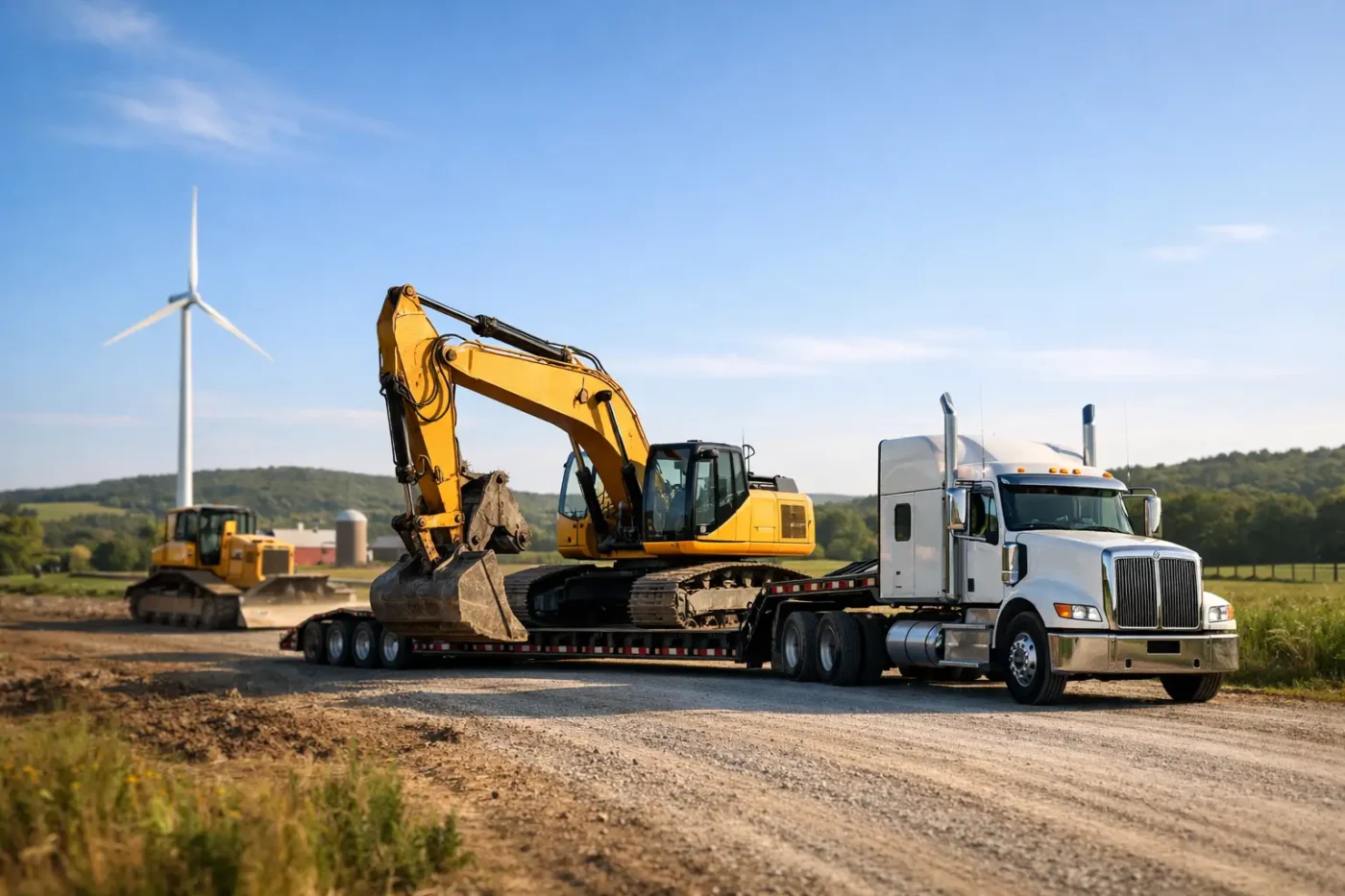
Heavy haulage covers the transport of machinery, vehicles and large loads that are impractical or unsafe to move using a standard trailer. On rural properties, this can include excavators, Positracks, tractors, loaders, farm machinery, vehicles, site sheds, tanks and construction equipment.
The job starts well before the truck arrives. Load weight, dimensions, ground clearance, tie-down points and whether the machine is operational all affect how it should be carried. An excavator that can drive onto a trailer is a different job from a non-running machine that needs winching or additional loading equipment.
Transport requirements also change with the route. A direct highway run may suit one load, while a property several kilometres down narrow, winding gravel roads needs more planning. Low branches, soft shoulders, tight creek crossings, steep driveways and locked gates can all affect the safest approach.
The right equipment makes a practical difference
Using the right trailer is not a luxury. It is central to safe transport and efficient loading. Low loaders and machinery floats are designed to keep equipment stable and provide suitable ramp access, while trailer capacity must suit the actual weight of the load rather than an estimate.
Overloading, poor weight distribution or rushed tie-downs create risks for everyone on the road. They can also turn a straightforward delivery into a costly recovery job. A professional operator checks the load, secures it correctly and makes sure the transport setup suits both the machinery and the destination.
Planning heavy haulage before the work starts
The best time to organise machinery transport is when the job is being scoped, not when the machine is urgently needed tomorrow morning. Early planning gives you more choice around booking times, allows the transport provider to assess the load and helps identify access issues before they become delays.
Start with clear details. Provide the make and model of the machine where possible, its approximate weight and dimensions, and whether it is running. Photos are useful, particularly if there are attachments, unusual modifications or damage that may affect loading. Include the pickup and delivery locations, along with any access instructions for each site.
It also helps to explain what the machine is required to do once it arrives. If an excavator is being delivered for a dam clean-out, drainage or root removal, the unloading area needs to be close enough to the work zone and firm enough to support the truck. Delivering equipment to the front gate may be safer than taking a loaded truck across wet paddocks, but only if the machine can then safely travel to the job.
Access is part of the transport job
Rural access varies widely. A driveway that handles a ute and horse float may not suit a loaded heavy-haulage combination. Before booking, consider gate width, turning circles, overhead branches, ground firmness and the condition of internal tracks.
Where access is tight, a site inspection or a straightforward discussion can prevent unnecessary trouble. Sometimes the answer is trimming branches, opening a second gate, choosing a different unloading location or scheduling delivery after wet weather has passed. These are practical decisions that protect the road, the property and the equipment.
If the property is remote, make sure the driver has accurate directions and knows where mobile reception drops out. Clearly marking entrances and arranging for gates to be unlocked can save significant time, especially when a delivery is planned around other crews or hired equipment.
Timing matters on working properties
Heavy equipment transport often sits between different stages of a project. Fencing materials may be ready, but post holes cannot be drilled until the machine arrives. A forestry mulching job may be complete, but an excavator needs to be moved in for drainage repairs or track construction. A delay in one move can affect every trade that follows.
That is why transport should be treated as part of the job programme. Confirm when the equipment is available for collection, when the destination site can receive it and whether there are any restrictions around livestock movements, school bus times, harvest activity or local roadworks.
Weather also deserves proper attention. Rain can make access roads slippery and paddocks unsuitable for loaded vehicles. It may be better to reschedule than to cut deep ruts into a driveway or risk bogging a truck. The right decision depends on the site, the load and the likely cost of waiting against the cost of repairing damage afterwards.
Oversize loads and route requirements
Not every heavy load is oversize, but larger machines and wide attachments can trigger additional transport requirements. Permits, pilot vehicles, travel restrictions and approved routes may apply depending on the load dimensions, mass and the roads involved.
This is not an area for guesswork. An experienced heavy haulage operator assesses the load and plans the transport around the relevant requirements. In some cases, attachments can be removed and carried separately to reduce width or height. In others, the safest option is a different route or a different trailer arrangement.
For property owners, the useful step is to provide accurate information early. If there is a wide slasher, boom, implement or attachment travelling with the machine, mention it when requesting a quote. A complete picture allows transport to be organised correctly from the outset.
Why one contractor can reduce project delays
Rural property work rarely happens in neat, separate categories. A new stock fence may need vegetation cleared first. A new shed pad may require excavation, drainage and truck access. An arena project can involve earthworks, material deliveries and machinery movements across several stages.
Working with a contractor that understands both site work and machinery transport can reduce the handovers between separate operators. It means the people organising the haulage understand the access tracks, ground conditions and sequence of works on the property. That local, practical knowledge helps keep jobs coordinated rather than relying on assumptions made from a map or a quick phone call.
AGT Haulage supports this kind of project delivery by moving machinery and large loads for rural works across regional NSW. The focus is straightforward: arrive prepared, load safely, communicate clearly and deliver equipment where it can get to work.
Questions worth asking before you book
A good transport booking should leave little room for surprises. Ask what information is needed about the machine, whether the quoted service includes loading and unloading, and what site access is required. Confirm expected collection and delivery windows rather than assuming an exact time where distance, weather or road conditions may affect the schedule.
It is also sensible to ask about insurance, licensing and any special requirements that may apply to the load. Professional heavy transport should be carried out with proper attention to safety, compliance and the condition of the equipment being moved.
Finally, prepare the site. Clear a safe loading area, move vehicles out of the way, secure pets and livestock, and make sure someone can be contacted on the day. These small steps help the driver complete the job efficiently and allow your machinery to get where it is needed without creating another task to fix later.
When heavy haulage is planned around the real conditions of the property, it becomes more than transport. It is the dependable link that keeps fencing, earthworks, land management and building projects progressing when the work cannot afford to stand still.