

NSW Clearing Permit Requirements for Rural Land
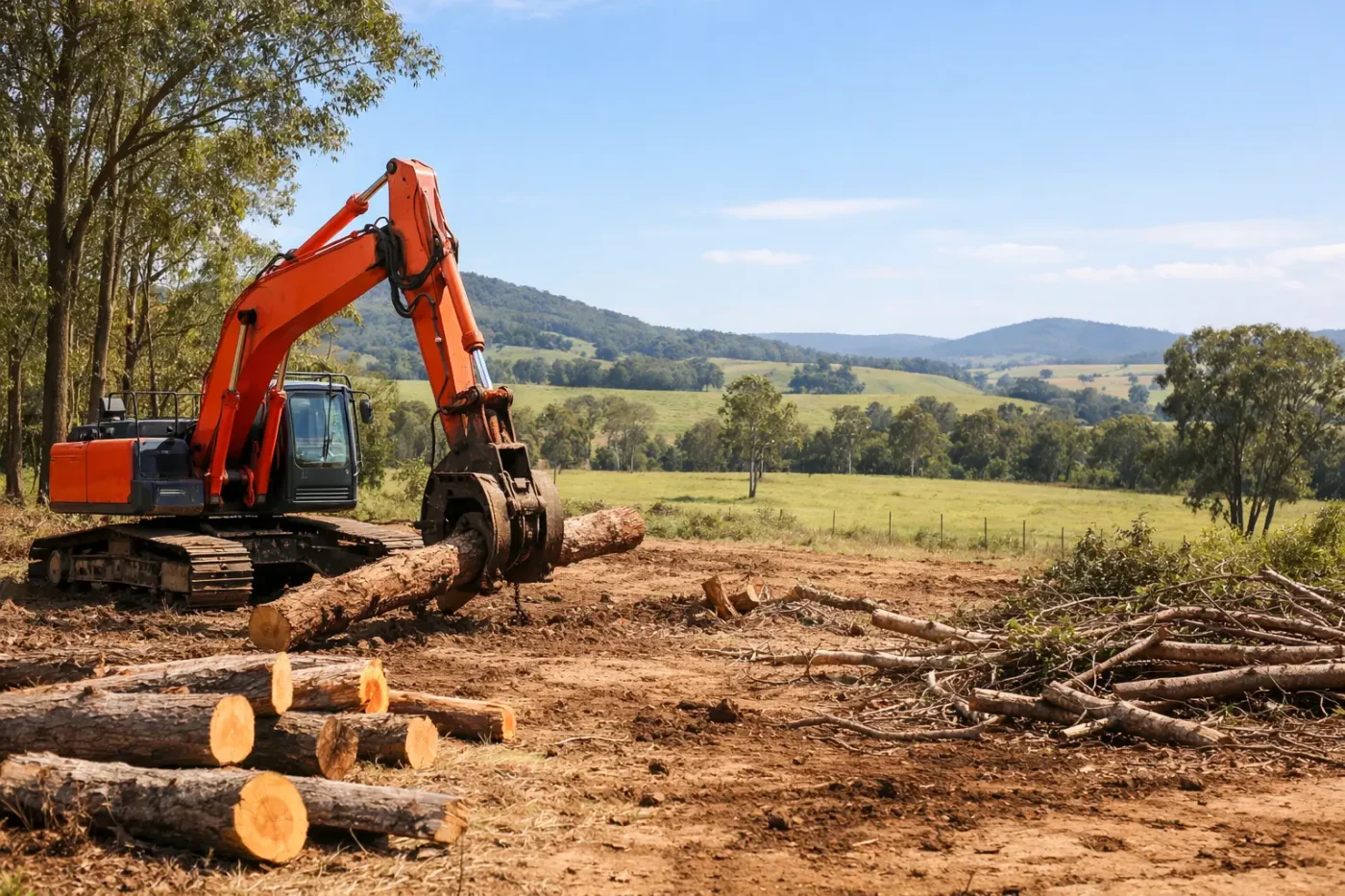
Clearing a fenceline, opening up an overgrown paddock or creating a building pad can make a rural property safer and easier to work. But clearing permit requirements need to be checked before machinery arrives, not after vegetation is down. On NSW land, the answer is rarely as simple as whether the trees are on your block. The location, vegetation type, zoning, mapped land category, nearby waterways and intended use can all change what is allowed.
For landholders, the practical objective is clear: establish the right approval pathway early, define the work area properly and only clear what the project genuinely needs. That protects the property, avoids costly hold-ups and helps ensure the finished result – whether it is a driveway, dam clean-out, firebreak, fence corridor or shed site – can be used with confidence.
What clearing permit requirements apply in NSW?
“Permit” is a useful everyday term, but it can mean different things. Depending on the property and proposed works, you may need development consent from council, a vegetation approval, a notification, an assessment under a clearing code, or confirmation that an exemption applies. In some cases, the proposed work may be permitted without a formal approval. That does not mean it is unregulated.
Native vegetation clearing on rural land is commonly considered under NSW land management laws, local planning controls and environmental protections. Local councils may also have tree, heritage, biodiversity, drainage or development controls that apply to the site. A cleared area intended for a new dwelling, farm building, access road, arena, commercial activity or subdivision can trigger a different process from routine property maintenance.
Do not rely on what a neighbour has done, an old approval, or the fact that a previous owner cleared nearby. Mapping, planning rules and vegetation conditions can differ across a boundary, and regulations can change.
The first checks to make before clearing begins
A clear scope is the best place to start. Mark the proposed work area on a property plan and be specific about whether you are removing trees, understorey, regrowth, fallen timber, stumps or only managing weeds and grass. “Tidying up” is too vague for compliance planning and for a contractor quote.
Before booking forestry mulching, excavation or mechanical clearing, confirm these points:
- the lot and DP details, property boundaries and the exact area proposed for work
- the land zoning and council planning controls that apply to the site
- whether native vegetation, threatened ecological communities or protected habitat may be present
- whether the site is mapped as regulated, sensitive or otherwise constrained land
- any creek, drainage line, dam, wetland, flood-prone area or waterfront land near the work zone
- whether bushfire, Aboriginal heritage, steep ground, erosion or soil stability issues need assessment.
The NSW Native Vegetation Regulatory Map is often a key starting point for rural land. It can identify land categories that affect what clearing can occur and under which pathway. It is a planning tool, not a substitute for site inspection. Vegetation boundaries on the ground, previous disturbance, regrowth and site conditions still matter.
If the work is connected to a development project, contact the relevant council early. Ask what information is required for the proposed use, rather than asking only whether you can remove trees. That conversation can reveal requirements for a site plan, biodiversity assessment, erosion and sediment controls, stormwater design or a development application.
Clearing near creeks, dams and drainage lines
Water changes the risk profile of a clearing job. Removing vegetation beside a creek, wetland, drainage line or dam can destabilise banks, increase sediment runoff and affect downstream water quality. Work near waterfront land may need a separate approval pathway, even where the clearing itself appears minor.
This is also where the method matters. An excavator removing roots and stumps has a different ground impact from carefully targeted forestry mulching. Neither method is automatically exempt from approvals, but the project plan should account for access routes, soil disturbance, stockpiles, runoff and the protection of retained vegetation.
For new roads, crossings, drainage or dam works, assess the full footprint. Include batters, turning areas, spoil placement, culverts and machinery access, not just the finished track or excavation. Small omissions in the plan can become larger compliance and erosion issues once rain arrives.
Fire protection work is not a blank cheque
Reducing fuel around homes, sheds, access tracks and boundary fences is sensible rural property management. In high-risk locations it can be essential. However, bushfire protection provisions and hazard-reduction activities have conditions. They do not automatically allow broad clearing of native vegetation across a property.
The applicable pathway depends on the land, the vegetation, the distance from buildings and the nature of the works. A managed asset protection zone may be very different from clearing a whole paddock, widening a driveway or removing established trees outside a defendable-space area. Check the requirements before treating fire mitigation as the reason for any clearing program.
A practical approach is to separate the genuine fire-protection zone from wider property improvement works. This makes the scope easier to assess and helps keep the project focused on safer access, manageable fuel loads and protection for critical infrastructure.
Forestry mulching, weed control and land clearing are different jobs
Landholders sometimes assume forestry mulching is not clearing because the vegetation is processed on site. That assumption can cause problems. The relevant issue is the effect on vegetation, not simply whether material is burnt, pushed into piles, removed by truck or mulched back into the soil.
Targeted weed control and selective vegetation management can be a better option where the aim is to regain access, protect fences, improve sightlines or reduce fire fuel while retaining valuable trees and ground cover. It may reduce erosion risk and preserve shade, habitat and shelter for livestock. On the other hand, dense invasive growth, unsafe dead timber or a defined construction footprint may require a more complete clearing method.
The right outcome depends on the site and intended use. A good contractor should be able to discuss the difference between selective mulching, undergrowth management, root removal and full clearing, then work within the approved footprint. Machinery capability is valuable, but precision is just as important.
Build compliance into the job plan
Once the approval pathway is clear, turn it into a practical on-site plan. Mark no-go areas, retained trees, waterways, boundary setbacks and service locations before work starts. Confirm where machines will enter, where material will be placed and how disturbed soil will be stabilised if rain is likely.
Keep copies of approvals, correspondence, maps and any conditions on site. Photos before, during and after works can also provide a useful record of the agreed scope, especially for larger rural projects involving multiple stages such as clearing, fencing, drainage and pad preparation.
For a property owner, it is worth asking a contractor direct questions: What area will be disturbed? How will retained trees be protected? Is the quote based on selective work or full removal? Where will spoil, mulch and green waste go? How will the site be left safe and accessible? Clear answers prevent misunderstandings and make it easier to compare quotes fairly.
Agtech Fencing & Rural Services can help landholders turn an approved scope into practical work, from selective vegetation management and forestry mulching through to fencing, drainage, excavation and access improvements. Approval decisions remain with the relevant authority and landholder, but an experienced rural contractor can help identify the operational details that need to be planned before the first machine is unloaded.
Get the advice before you commit to the work
Clearing requirements can be technical, particularly where native vegetation, waterways, mapped constraints or a future building project are involved. If there is uncertainty, seek advice from the relevant council, Local Land Services or a suitably qualified environmental or planning professional before signing off on the job. Early advice is generally far cheaper than stopping a crew halfway through a project or repairing avoidable damage.
The best clearing projects are not the ones that remove the most vegetation. They are the ones that create safer access, usable ground and lasting improvements while respecting the rules and the country the property depends on.