

Dog Proof Fencing That Holds Up on Rural Land
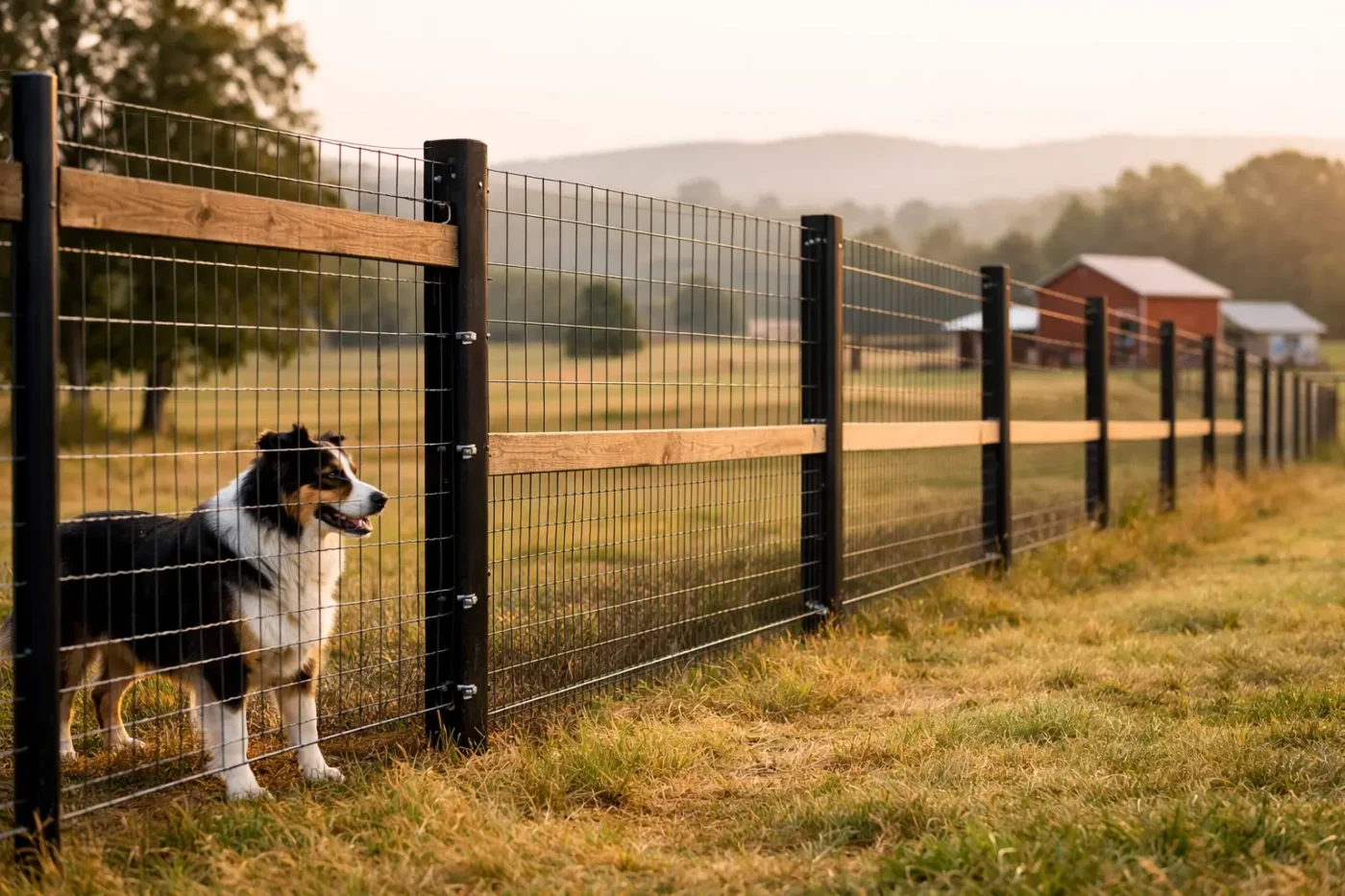
A dog getting through a boundary fence is rarely a small problem. It can mean stock chased or injured, wildlife disturbed, neighbours inconvenienced, road risk, and hours spent trying to locate a dog that has covered far more ground than expected. Well-planned dog proof fencing gives working dogs and pets a clear, secure boundary while protecting the rest of the property.
The right fence is not simply the tallest one or the one with the finest mesh. It needs to suit the dog, the terrain, the stock, the likely pressure on the fence and the way you use the property every day. A fence that looks tidy on level ground can quickly fail where it crosses a drainage line, creek flat, rocky ridge or timbered paddock.
Start with the real reason for the fence
Before selecting materials, be clear about what the fence must contain or exclude. A calm family dog wandering around an acreage creates different demands to a determined working dog, a pair of energetic kelpies, or a dog that digs whenever it is left alone. The fence may also need to keep neighbouring dogs, foxes or other unwanted animals out of a poultry area or house yard.
Consider the dog’s size, climbing ability and habits. Smaller dogs can pass through mesh openings that appear too narrow at first glance. Larger dogs can push against loose wire, jump low sections or use a bank, fallen branch or stacked timber as a launch point. Dogs that dig need particular attention at the base of the fence and around gateways.
It also pays to look beyond the dog. If the boundary runs beside cattle, horses, sheep or goats, the fence needs to cope with stock pressure as well. On rural blocks, a dog-proof enclosure often becomes part of a broader stock and property-management system, not a standalone backyard fence.
Choosing dog proof fencing materials
High-quality galvanised mesh is commonly the backbone of a durable dog-proof fence. The best mesh height and aperture depend on the dog and the site, but close mesh at the bottom is critical where smaller dogs may squeeze through. Taller mesh provides better protection against jumping, especially around high-pressure areas such as a house yard, kennel run or paddock gate.
A properly strained fence with sound end assemblies, suitable posts and evenly tensioned wires will perform far better than mesh attached to weak or widely spaced supports. Timber posts, concrete posts and steel posts all have a place. The right choice comes down to ground conditions, expected fence pressure, budget and the desired service life.
Timber can suit many rural applications and has a traditional finish, while steel posts and pickets can be practical for longer runs or uneven country. Concrete posts are worth considering where longevity, termite resistance or consistent support is a priority. There is no one material that is right for every property. The important part is building the fence system to match the job.
For dogs that climb, a top offset wire or electric outrigger can be useful. For dogs that dig, the lower edge should be secured to the ground, buried where appropriate, or extended outward as an apron so the dog meets mesh before it can tunnel under. These measures need to be installed carefully. A poorly tensioned apron or loose bottom wire can create more maintenance work than it saves.
Height matters, but so does ground clearance
A fence can be 1.8 metres high and still be ineffective if it leaves gaps beneath the mesh. Gullies, washouts, wombat holes, loose soil and uneven rock shelves all create opportunities for escape. During planning, walk the proposed line and identify every place where the ground falls away or water naturally moves through.
In some locations, shaping the ground, filling low spots or adjusting the fence alignment is the most reliable answer. Where drainage must pass through, purpose-built solutions are often needed so water can flow without leaving an opening large enough for a dog to use.
Gates are where good fences often fail
A strong fence line means little if the gate does not close squarely, has a gap underneath or can be pushed open. Gates should be sized for how the area will actually be used. A pedestrian gate may be enough for a compact dog yard, while a house paddock may need vehicle access for a ute, tractor, mower or horse float.
Choose sturdy gate posts, reliable hinges and a latch that cannot be easily bumped or lifted open. A self-closing arrangement can be worthwhile at high-traffic entrances, particularly where children, visitors or contractors may not be used to managing gates around dogs.
Double-gate systems are a practical option where dogs are highly excitable or where people regularly enter and leave. The first gate closes before the second is opened, reducing the chance of a dog slipping through during deliveries, feed runs or a busy morning departure.
Check the ground beneath every gate. Gates commonly develop clearance as tracks wear down, water cuts through or livestock churn up the approach. A simple threshold solution, additional mesh or regular ground maintenance can prevent this becoming the weak point in an otherwise secure enclosure.
Plan for terrain, water and vegetation
Rural fencing rarely follows a clean, flat line. Steep ground places extra load on mesh and posts. Rocky country can make post depth and bracing more complicated. Wet areas need drainage considered before installation, not after the first heavy rain.
Vegetation is another issue. Long grass, vines, fallen limbs and regrowth can push against the lower mesh, hide damage and make fence inspections difficult. If electric wires are included, vegetation contact will reduce their effectiveness. Clearing the fence line and maintaining sensible access makes a major difference to long-term reliability.
On larger blocks, fence construction can be coordinated with other property works. Forestry mulching, selective vegetation management, drainage improvements and access-track repairs can make a new fence line easier to build and simpler to maintain. It is often more cost-effective to plan these jobs together rather than bring separate contractors in at different stages.
Do not underestimate corners and end assemblies
Corners, strainers and changes of direction carry the load of the whole fence. They need proper footing, bracing and construction to hold tension over time. A weak end assembly can allow a long run of mesh to sag, particularly after stock contact, wet-weather movement or a fallen branch.
This is one area where cutting costs early can create an expensive repair later. Good workmanship at corners and gateways gives the entire fence a better chance of staying straight, tight and functional for years.
Match the enclosure to daily property use
The most secure dog-proof area is one that works with your routine. If the dog must cross a driveway several times a day, visit sheds, accompany you during livestock work or move between the house and a kennel, include those movements in the design. An enclosure that is inconvenient to use is more likely to have gates left open or temporary gaps created.
Think about shade, water, shelter and visibility as well as containment. Dogs left in a bare paddock near a busy boundary may spend more time pacing or testing the fence. A well-laid-out yard or house paddock gives them a comfortable place to settle, which can reduce pressure on the fence itself.
For working properties, it may be better to separate a secure home area from stock paddocks with internal gates. This keeps dogs safely contained when needed without making everyday farm work difficult. Equine properties should also consider where dogs and horses interact, as fencing and gates need to prevent dogs entering laneways, arenas or feeding areas unexpectedly.
Maintain the fence before it becomes a problem
Even a well-built fence needs inspections. Walk the line after heavy rain, strong winds, a fallen tree event or livestock pressure. Look closely at the bottom edge, corners, creek crossings and every gate. These are the places where problems generally start.
Keep an eye out for loose ties, sagging mesh, damaged posts, soil erosion, dig marks and vegetation buildup. Repairs made early are usually straightforward. Leaving a small gap for a clever dog to discover can turn into a bigger issue very quickly.
If you are planning a new enclosure, replacing tired boundary fencing or combining fence work with clearing, drainage or access improvements, get the design right before materials go in. Agtech Fencing & Rural Services can help landholders assess the ground, fence purpose and practical access requirements so the finished job is built for real rural use.
A dog-proof fence should give you confidence when you leave the gate each morning: dogs where they belong, stock undisturbed and a boundary that is ready to handle the conditions your property throws at it.