

Machinery Haulage That Keeps Rural Jobs Moving
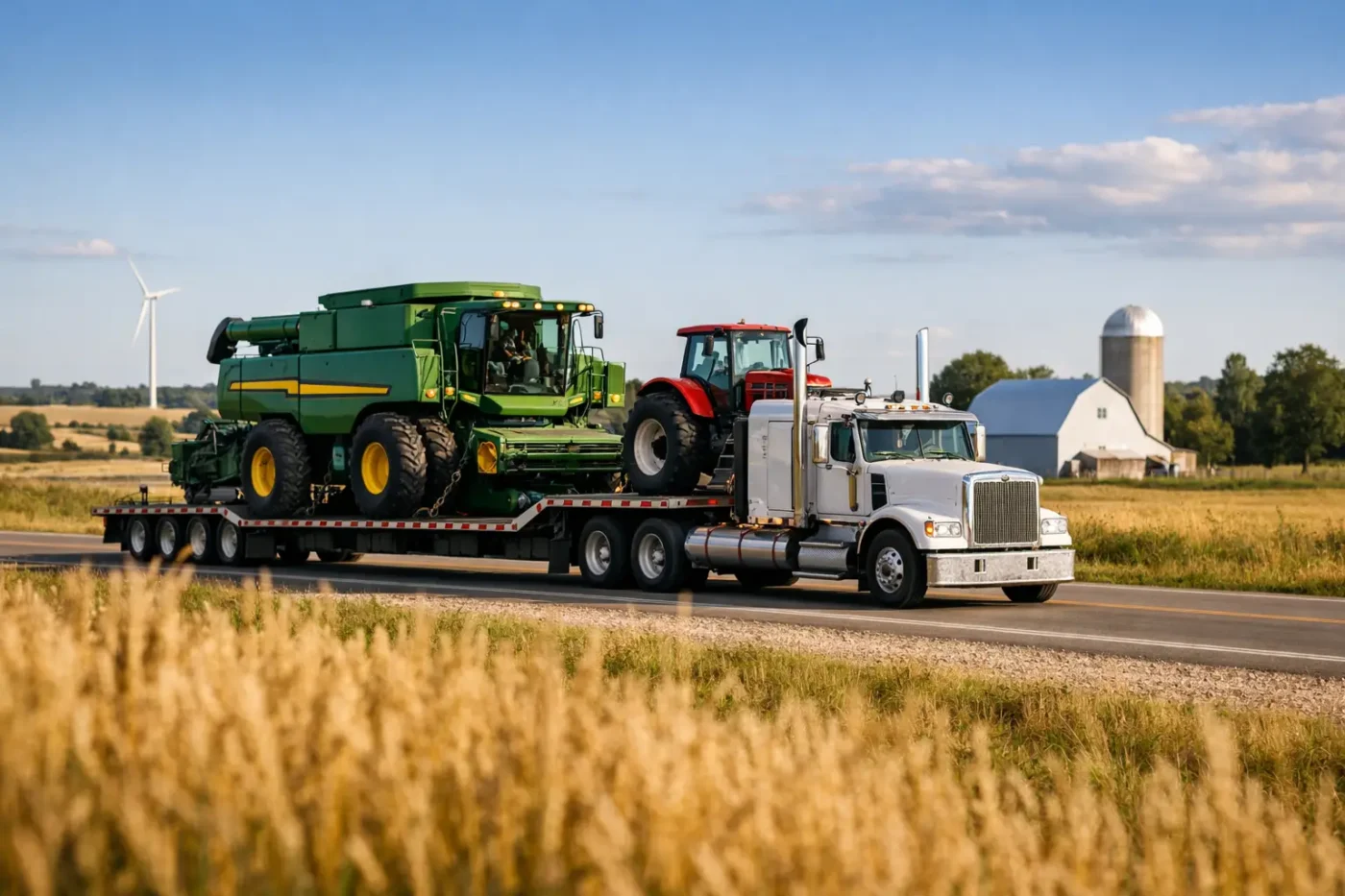
A machine sitting in a depot is no help when a driveway has washed out, a dam needs cleaning, or a fencing crew is ready to start. Reliable machinery haulage is what puts the right excavator, Positrack, tractor or other heavy gear where the work needs to happen, when it needs to happen. For rural projects, that means more than placing a load on a truck. It means planning for access, ground conditions, dimensions, timing and a safe unloading point.
For landholders, builders and project managers, getting haulage right can prevent costly delays before the first bucket breaks ground. It also removes the risk of trying to move machinery with unsuitable equipment or along roads that are not prepared for the load.
Why machinery haulage needs proper planning
Heavy machinery is not a standard freight load. Excavators, skid steers, tractors, rollers, attachments and other plant have different weights, widths, heights and tie-down requirements. A transport arrangement that suits one machine may not suit another, particularly when a tilt tray, low-loader or specialised configuration is required.
The job starts with accurate information. The haulier needs to know the machine make and model, operating weight, overall dimensions, whether attachments are travelling with it, and where the pick-up and delivery points are located. That detail helps determine the correct transport method and whether permits, pilot vehicles or specific travel conditions may apply.
It is equally important to consider the property itself. Rural access can involve narrow gateways, soft shoulders, steep drives, low tree limbs, creek crossings and wet paddocks. A truck may be capable of carrying the machine, but the delivery site still has to be accessible and safe to unload. This is where local experience makes a practical difference.
Machinery haulage starts at the gate
A clear route into the property saves time and reduces risk on delivery day. Before booking transport, check gate widths, turning areas and overhead clearance. Make sure access roads are firm enough for the transport vehicle, especially after heavy rain. If the machine is heading to a back paddock, consider whether the truck can safely reach that location or whether the load should be unloaded at a more suitable point.
Drainage is often overlooked. Water crossing a track, rutted approaches and soft culverts can quickly become a problem under the weight of a loaded truck. In some cases, minor road preparation, vegetation trimming or an alternate unloading area is the sensible option. A good operator will identify these issues early rather than arriving at the gate and hoping for the best.
Site contact is another simple but valuable part of planning. Someone who knows the property should be available by mobile when the truck is due, particularly on larger holdings with multiple entrances or unmarked internal tracks. Clear directions, a confirmed gate and a practical meeting point keep delivery moving without unnecessary hold-ups.
Choosing the right transport for the job
The best haulage solution depends on the machine and the site, not just the distance travelled. Smaller plant can often be moved efficiently on a tilt tray, while larger excavators, dozers or machinery with unusual dimensions may need a low-loader or more specialised transport arrangement.
Weight is critical. Transport operators must work within legal mass limits, and those limits include the trailer, truck and load together. Attachments such as buckets, augers, mulchers, rippers and pallet forks can change the total weight and load distribution. They should be declared before the job is booked, not added at the last minute.
Height and width also matter on regional roads. A machine that appears straightforward to move can become an oversize load once it is secured on a trailer. This may affect route selection, travel times and permit requirements. There can be restrictions around particular bridges, roadworks, rail crossings or narrow sections of road. The practical answer is not to guess – provide full machine details so the transport can be planned correctly.
Attachments and loose items need securing
Buckets and other attachments should be transported in a way that keeps the load stable and compliant. Loose tools, fuel containers, ramps and spare parts also need proper restraint. Apart from being a legal requirement, secure loading protects other road users, the machine and the people working around it.
A professional haulage crew checks the load before departure and again during transport as required. Proper chains, rated binders and suitable restraint points are not optional extras. They are part of delivering machinery in the same condition it left.
Timing matters on rural projects
Machinery transport is often tied to a sequence of work. Earthworks may need to happen before fencing can begin. A forestry mulcher may need to clear a line before a new access track is formed. An excavator might be required for drainage, pad preparation or dam work before builders or concrete crews arrive.
That is why transport should be booked as part of the project plan, not as an afterthought. Allow time for machine collection, route planning and site access checks. During busy periods, leaving haulage until the day before can mean the preferred delivery time is no longer available.
Weather also changes the equation. Wet conditions can make a steep driveway unsuitable for a loaded truck, even if plant can later travel across the same ground. Bushfire recovery work, flood repairs and urgent road access jobs may require fast action, but safety still comes first. The right approach is to communicate the urgency, assess the site honestly and make a workable plan.
What to provide when requesting a quote
A detailed quote request leads to a more accurate price and fewer surprises. Have the pick-up and delivery suburbs or property locations ready, along with the machine details and preferred dates. Photos of access points can be particularly useful where entrances, tracks or turning areas are tight.
It also helps to explain the purpose of the move. Is the machine being delivered for a one-day drainage repair, a week of mulching, a fencing project or a longer construction job? Will it need to be returned after the work is complete? A return move can often be planned around the project schedule rather than treated as a separate last-minute task.
Be upfront about site conditions. Mention steep access, creek crossings, narrow bridges, locked gates, livestock, school-zone travel, difficult terrain or any known obstacles. These details are not problems to hide from a haulier. They are what allow the job to be quoted properly and completed safely.
A better fit for property works
For many rural jobs, the advantage of using a contractor with both plant capability and transport experience is straightforward: fewer moving parts to organise. The same team can understand the work required, arrange the machinery movement and coordinate delivery around the job sequence.
At Agtech Fencing & Rural Services, AGT Haulage supports heavy machinery, vehicle and large-load transport for rural property works across regional NSW. That can make a real difference where access, weather and project timing all need to line up. It also provides one accountable point of contact rather than leaving the landholder to coordinate several contractors.
There are still occasions when separate transport is the right choice, particularly where a specialised oversize configuration or a long-distance move is required. The key is matching the equipment and operator to the load, the route and the site conditions – not simply selecting the cheapest option.
Safe delivery protects the whole job
Unloading is one of the highest-risk parts of machinery haulage. The truck needs level, stable ground, enough room for ramps and a clear area free of people, stock, vehicles and overhead hazards. The machine operator and transport driver need to communicate clearly before unloading begins.
Once the machine is off the trailer, it should be positioned where it can start work safely without damaging access roads, fences or underground services. On a tight rural site, a few minutes spent planning the unloading location can avoid hours of recovery work later.
Reliable machinery haulage is not just about getting a machine from A to B. It is about protecting your equipment, keeping the project on schedule and making sure the crew can get to work safely. Before the next major rural job, check the access, share the full machine details and book transport early – it is one of the simplest ways to keep the work moving.