

Stock Fencing Contractors NSW Landholders Trust
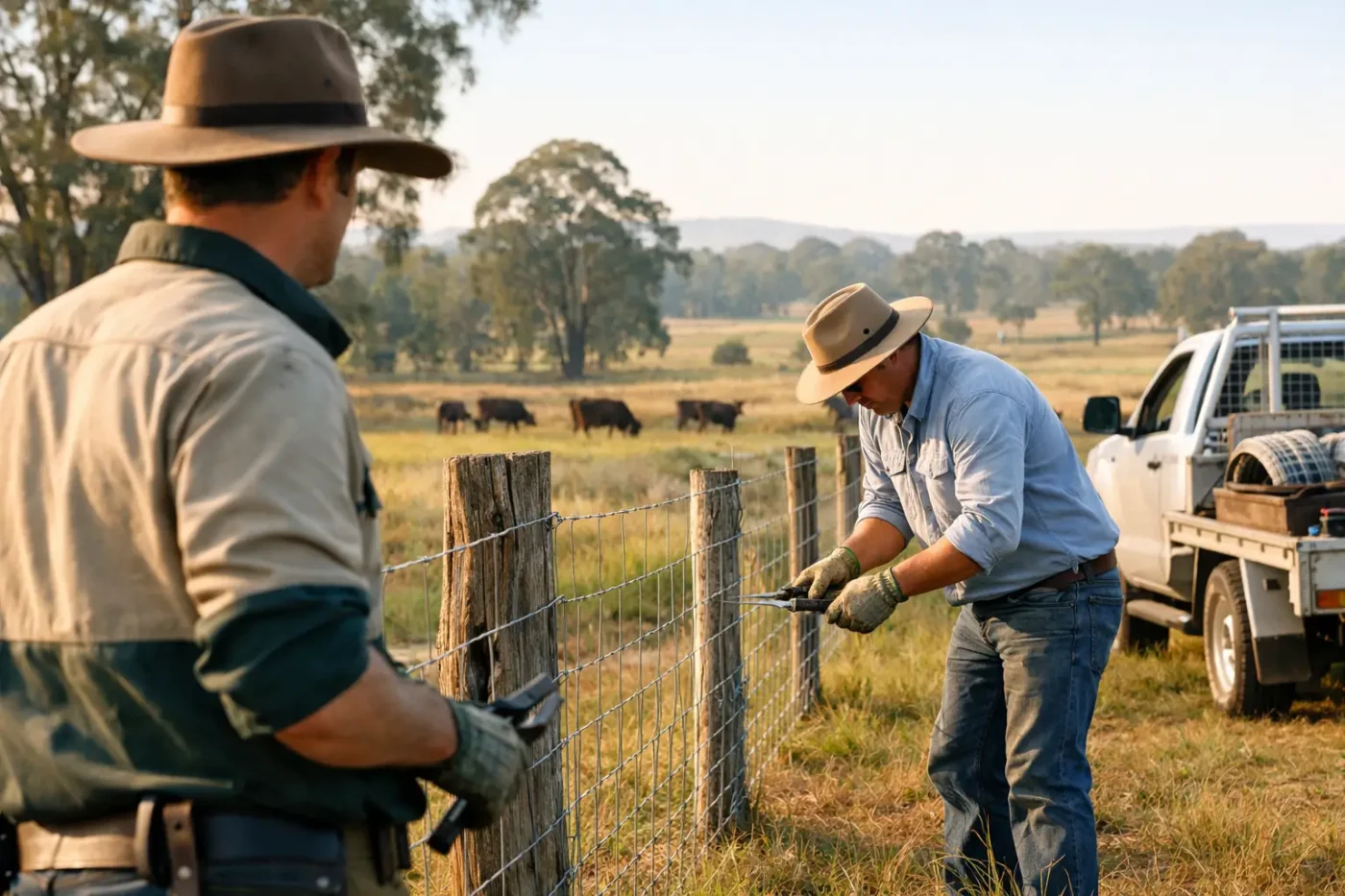
A fence can look straight on the day it is built and still cause trouble within the first wet season. Loose strainers, poor post depth, water running beneath a gateway, or wire selected for the wrong livestock all create extra work later. That is why choosing stock fencing contractors NSW landholders can rely on is about more than getting a price per metre. It is about getting a fence that suits the country, stock, access and day-to-day demands of the property.
For a cattle producer, a small acreage owner with goats, or a horse property operator, fencing is working infrastructure. It needs to contain animals safely, divide paddocks properly, handle pressure at gates and corners, and remain serviceable when conditions turn wet, dry or overgrown. A practical contractor will ask the right questions before posts go in the ground.
Start with what the fence needs to do
There is no single stock fence that works everywhere. The right design depends on the animals being contained, the terrain, the soil, pressure points and whether the fence is a boundary, internal division or temporary part of a larger property upgrade.
Cattle fencing may need strong end assemblies and well-tensioned plain or barbed wire, particularly where animals lean, rub or crowd along a laneway. Sheep and goats often require closer wire spacing or mesh that prevents smaller animals pushing through. Horses need highly visible, low-risk fencing with careful consideration of wire type, rail options and gate placement. If dogs, foxes or other predators are a concern, dog-proof fencing needs a different approach again, including mesh selection, apron or skirt detail where needed, and secure gates.
A good contractor does not simply repeat the fence line already in place. They look at why the old fence failed. It may have been undersized for the stock, built without adequate drainage, installed with shallow posts, or allowed to disappear into blackberry, lantana and regrowth. The best replacement design addresses the cause, not only the visible damage.
What capable stock fencing contractors in NSW should assess
Before quoting, a capable fencing crew should inspect the line or work from clear information about the site. This is particularly important across regional NSW, where a job can move quickly from level alluvial ground to steep country, rocky ridges or wet creek flats.
The first consideration is terrain. A long straight run across open country is different from fencing through gullies, timber, exposed slopes or heavy clay. Undulations affect post spacing and wire tension. Rocky ground may require different installation methods. Creek crossings need allowance for water movement and debris, rather than a fence that will wash out in the first decent flow.
Soil conditions matter just as much. Posts need suitable depth and footing for the ground they are going into. In soft or wet soils, extra attention to bracing and post placement can prevent movement. In dry, hard country, machinery capability can make the difference between a properly driven post and a rushed compromise.
Access should be discussed early. Can materials and machinery reach the fence line? Does vegetation need clearing before construction? Is there an old fence to remove, roots to deal with, or a crossing to improve? When fencing, mulching, excavation and haulage are coordinated under one contractor, the property owner avoids trying to line up several crews around the same job.
Finally, the contractor should understand livestock pressure. A quiet internal paddock fence does not need the same build as a high-use holding area, laneway, boundary beside neighbouring stock, or gateway where animals routinely bunch up. Spending a little more in the right places is generally better value than rebuilding weak sections later.
Materials and construction details that affect service life
Fence durability comes from the whole system, not one material alone. Posts, strainers, stays, wire, mesh, fasteners and gates must work together. A strong wire fence with poorly built end assemblies will not hold tension. Premium posts will not compensate for a badly located gateway that turns into a boggy mess every winter.
Treated timber, concrete posts, steel posts and pickets each have their place. Timber can suit traditional rural fencing and blend well across many properties. Concrete posts offer long-term strength in suitable applications, while steel posts and pickets can be an efficient option for particular fence types and ground conditions. Material selection should account for stock, exposure, maintenance expectations and budget, rather than being treated as a one-size-fits-all choice.
Wire selection also needs care. High-tensile wire can provide a strong, efficient fence when it is correctly strained and supported. Hinge-joint or ring-lock mesh can be useful where smaller stock need closer containment. Barbed wire may still have a role in some cattle applications, but it is not the right answer for every property, especially where horses are involved. For equine fencing, visibility and injury prevention deserve priority over the cheapest lineal-metre rate.
Corners, ends and changes in direction carry substantial load. Properly constructed strainers and braces are not glamorous, but they are where a fence earns its keep. Ask how the contractor intends to build these sections and how wire tension will be managed. It is a straightforward question that reveals whether the quote allows for a lasting job or only the quickest way to cover ground.
Gates, drainage and access are part of the fence job
A well-built fence becomes frustrating if the gates are in the wrong place. Gates should suit how you actually move stock, vehicles, machinery and feed around the property. Consider the approach angle, turning space, slope and whether a ute with a trailer, livestock truck or tractor needs to use the opening.
Gateway drainage is often overlooked. Repeated hoof and tyre traffic compacts the ground, water pools, and the opening quickly becomes muddy and difficult to use. Depending on the site, a practical solution may include shaping the surface, installing drainage, adding road base, or improving the access track leading to the gate.
This is where broader rural services can save time. If a fence line needs vegetation management, root removal, trenching, a culvert, a dam clean-out or a new access road before construction, it makes sense to plan the works together. The fencing result will be better when the ground and access are properly prepared, not treated as someone else’s problem.
Compare quotes on scope, not just price
Fencing quotes can vary for genuine reasons. One price may allow for clearing, removal of old materials, quality strainers, heavier gates and difficult access. Another may cover a basic run only, leaving the property owner to organise preparation, rubbish removal or repairs to damaged tracks.
Ask for a clear scope that identifies fence type, approximate length, post and wire specification, gate details, end assemblies, site preparation and any exclusions. If the work involves a boundary, confirm the alignment and discuss access before the crew arrives. Surprises on a rural job are costly when people, materials and machinery have travelled to site.
It is also worth asking about timing and communication. Regional properties often operate around stock movements, harvest, wet weather, family commitments and contractor access. A reliable crew that turns up as arranged, keeps you informed and leaves the site tidy is worth more than a low quote that creates delays or unfinished work.
Insurance, appropriate licensing and safe work practices should be non-negotiable. This is especially relevant where work is near roads, waterways, public land, power infrastructure or sensitive boundaries. Experienced contractors understand that professional conduct protects both the client and the crew.
Plan for maintenance before the first post is installed
Even the best fence needs inspection. Fallen limbs, livestock pressure, flood debris, fire damage and vegetation growth can all affect performance. Designing with maintenance in mind makes those checks easier. Clear fence lines where practical, accessible gates, sensible placement of strainers and good vehicle access all reduce the time needed for future repairs.
For larger properties, staged fencing can be a sensible option. Prioritise unsafe boundaries, livestock escape points, damaged yards or paddocks needed for rotational grazing, then schedule the remaining sections around budget and seasonal conditions. This approach keeps the work moving without forcing rushed decisions on materials or layout.
Agtech Fencing & Rural Services approaches rural fencing as part of the wider property picture – secure stock, workable access, controlled vegetation and ground that is ready for the next job. Before you commit to a fence design, walk the line with the person building it and talk through how the property works on an ordinary busy day. That conversation is often where a good fence becomes the right one.