

Rural Fencing Contractors for Working Land
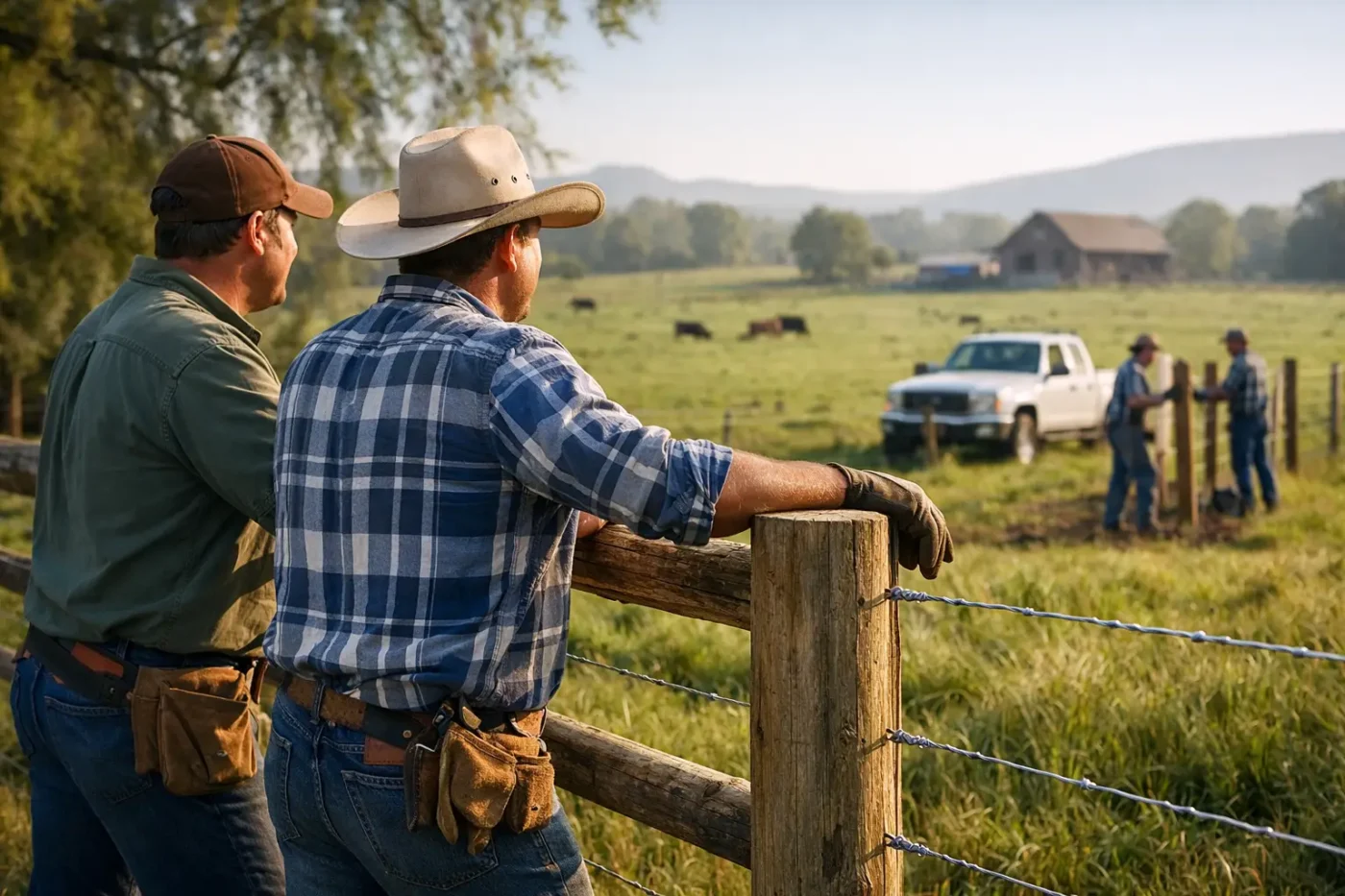
A fence line can look straightforward from the ute, right up until it crosses a wet gully, climbs a rocky ridge, meets a heavy gate opening or has to contain livestock that test every weak point. Good rural fencing contractors plan for those realities before the first post goes in. The result is not simply a neat boundary. It is fencing that works day after day for stock, horses, dogs, machinery access and property security.
For rural and semi-rural landholders, fencing is a practical investment. It affects how easily paddocks can be managed, how safely animals can be moved, where vehicles can access the property and how much ongoing repair work sits on the job list. Getting the materials, layout and installation method right at the start can save a great deal of time and expense later.
Start With the Job the Fence Must Do
The best fence is not always the heaviest or most expensive option. It is the one designed around the animals, terrain and level of pressure it needs to handle. A boundary fence for cattle has different requirements from an internal horse paddock, a dog-proof enclosure or a post and rail entrance near the house.
Stock fencing needs adequate height, wire spacing and tension to suit the livestock being contained. Cattle, sheep and goats all place different demands on a fence, while mixed grazing properties may need a design that accounts for more than one type of animal. If kangaroos, feral pigs or neighbouring stock are common issues, those pressures should be considered as well.
Equine fencing deserves particular care. Horses can injure themselves on unsuitable wire, poorly placed stays or sharp edges, and they often lean on or challenge a fence in predictable areas such as gateways, feed points and laneways. Post and rail, horse mesh and purpose-selected electric systems can all have a place, depending on the property and how the horses are managed.
Dog-proof fencing is another specialised job. The focus is not just height. A determined dog can find gaps under gates, weak joins along uneven ground and damage around corners. Correct mesh selection, secure bottom treatment, well-built gateways and careful attention to drainage lines make a real difference.
What Good Rural Fencing Contractors Assess On Site
A reliable quote should be based on more than a measurement taken from an aerial map. Fence lines need to be walked or inspected properly, particularly on larger or undulating blocks. Conditions can change quickly across a rural property.
Ground conditions and post selection
Soil type determines how posts can be installed and how they will perform over time. Soft or sandy ground may call for deeper installation and stronger bracing. Rocky country can slow the work and may require specialised equipment or a revised post system. In wet ground, drainage and post durability become major considerations.
Treated timber, concrete posts, steel posts and pickets each have their place. Timber offers a traditional appearance and suits many rural applications, particularly post and rail work. Concrete can be a practical long-term option in harsh or termite-prone conditions. Steel posts and pickets are often efficient for stock fencing and can be well suited to long runs where strength and consistency matter.
There is no one material that wins on every site. The right choice comes down to the fence purpose, local conditions, budget, expected lifespan and the look required around homes, arenas or entrances.
Falls, water and vegetation
A fence will only stay sound if water is allowed to move where it needs to go. Low points, gullies and drainage paths can create washouts, place pressure on mesh and undermine posts after heavy rain. The fence design may need raised sections, flood gates, stronger bracing or a changed alignment to prevent repeated damage.
Vegetation matters too. Trees close to a line can drop branches, roots can interfere with post placement, and regrowth can eventually make maintenance difficult. Clearing too much land is not always necessary, but a sensible fence corridor gives installers room to work and allows future access for repairs.
On overgrown blocks, combining fencing preparation with forestry mulching, vegetation management or targeted clearing can reduce delays and avoid bringing several contractors onto the property. It also helps create a cleaner, more manageable line before materials arrive.
Strainers, stays and corners
Most fencing failures begin at high-pressure points, not in the middle of a straight run. End assemblies, corners, gateways and changes in direction need properly installed strainers and stays to hold tension over time. Skimping on these components may reduce the initial quote, but it often creates sagging wire, leaning posts and recurring repairs.
A contractor should explain where heavier assemblies are needed and why. This is especially relevant for long boundary fences, electric fencing, uneven terrain and areas where stock regularly congregate. Sound foundations and well-built strainer assemblies are the work most people do not notice – until they are missing.
Gates and Access Need Proper Planning
A gate should fit the way the property operates, not simply fill a gap in the fence. Consider the machinery that needs to pass through, whether livestock will be moved through the opening, where trailers need room to turn and how the ground behaves after rain.
A narrow gate can become a daily frustration when moving a tractor, slasher, horse float or stock trailer. A poorly positioned gate can turn a workable laneway into a boggy bottleneck. On sloping ground, gate swing and clearance need to be checked before posts are set.
For many properties, it makes sense to plan fencing alongside access roads, drainage and earthworks. A new paddock layout may require a formed track, a culvert crossing or a level gate approach before the fence is installed. Coordinating these jobs avoids digging up completed fence lines later and gives the finished project a more practical outcome.
Comparing Quotes Without Chasing the Cheapest Price
Rural fencing quotes can vary for valid reasons. One contractor may allow for heavier end assemblies, better-quality wire, more substantial posts or difficult access. Another may have excluded clearing, excavation, old fence removal, gates or disposal of rubbish. Comparing the final figure alone can lead to an unfair comparison and an unpleasant surprise once work begins.
Ask what materials are included, how far apart posts will be placed, what type of strainer assemblies are allowed for and whether gates, stays, clearing and old fence removal are covered. It is also worth confirming how rock, hidden obstructions and wet-weather access will be handled if they are encountered on site.
Reliable communication matters as much as the scope. Rural jobs can involve changing weather, livestock movements, machinery access and coordination with neighbours. A professional contractor will be clear about timing, site access, material choices and any issue that could affect the work or price.
Signs the Work Has Been Done Properly
Once a fence is complete, walk the line before the crew leaves where possible. Posts should sit straight and firm, wire or mesh should be evenly tensioned, joins should be secure, and gates should swing and latch without dragging. Look closely at corners, low spots, gateways and changes in direction, as these are the areas that carry the most load.
A tidy site is also a sign of professional conduct. Offcuts, old wire and removed materials should not be left where livestock, tyres or mower blades can find them. The line should be accessible enough for future checking and maintenance.
Even quality fencing needs periodic attention. Check after major rain, strong winds, fallen branches or stock incidents. Early repairs to loose wire, damaged stays or worn gate hardware are quicker and cheaper than waiting for a complete failure.
Build Fencing Into the Bigger Property Plan
A fence is often the first visible part of a broader property improvement project. New paddocks may lead to a horse arena, stock yards, a dam clean-out, driveway work, trenching or a shed pad. Planning the sequence saves rework. For example, complete excavation and drainage before installing a fence, and establish clear machinery access before starting long boundary runs.
For landholders across regional NSW, working with a contractor that understands fencing as well as vegetation, earthworks and site access can make that planning simpler. Agtech Fencing & Rural Services approaches rural projects with that practical, on-site view: build the fence for the conditions, keep the work moving and leave the property ready for what comes next.
The right fencing decision starts with an honest look at how the land is used now and how it will be used in five years’ time. A well-planned fence gives you safer animals, clearer boundaries and one less job waiting at the end of the driveway.