

How to Choose Dog Fencing for Rural Properties
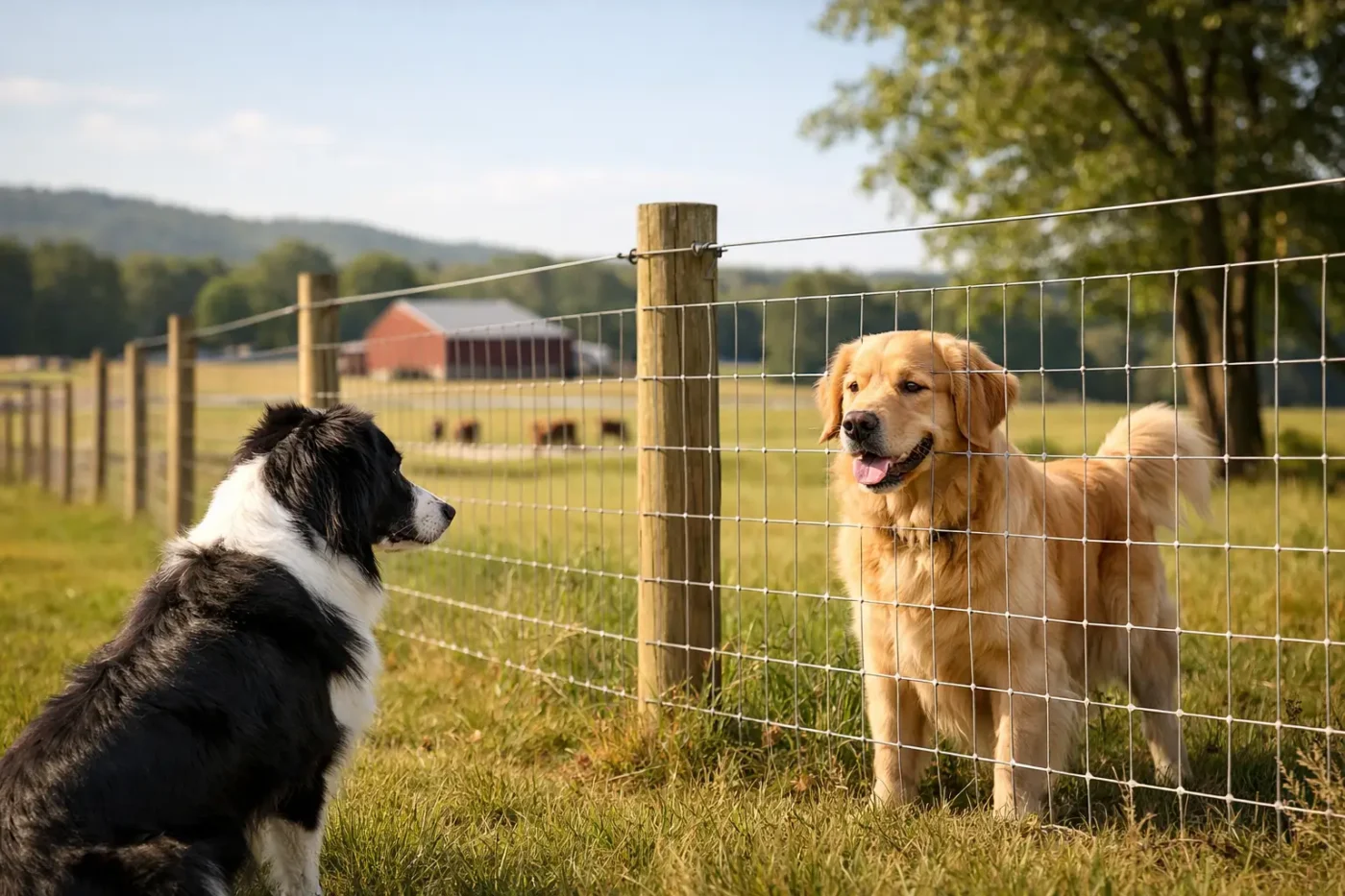
A dog can find the one soft corner, low gap or poorly hung gate in an otherwise solid-looking fence. On rural and acreage blocks, that can mean a dog on the road, in a neighbour’s paddock, near livestock or lost in thick scrub. Knowing how to choose dog fencing starts with the dog you have, but it also means looking honestly at the ground, existing boundaries and how the property is used every day.
The best fence is not simply the tallest or most expensive option. It is a properly planned system that keeps your dog safely contained, stands up to local conditions and remains practical when you need to move vehicles, livestock or machinery around the property.
Start with the dog and the area to be fenced
A calm older dog that stays close to the house needs a different fence from a young kelpie with a strong chase instinct. Size matters, but behaviour matters more. Dogs escape by jumping, climbing, digging, pushing through weak mesh, squeezing through openings or charging a gate when it is opened.
Before choosing materials, decide whether you are fencing a house yard, a large run, a boundary line or several smaller paddocks. A contained yard near the home is usually easier to monitor and maintain. Boundary fencing can cover far more ground and may need to manage uneven terrain, creeks, bushland, stock access and shared boundaries.
Think about when the dog will be in the enclosure. If it is only used while you are working outside, a simpler enclosed area may be suitable. If the dog will be left while you are away, the fence needs a higher level of security, including reliable gates, sound corners and protection at ground level.
Choose fence height for jumping and climbing risk
For many medium and large dogs, a fence around 1.5 to 1.8 metres high provides a sensible starting point. Strong, athletic or highly motivated dogs may need 1.8 metres or more, particularly if there are objects near the fence that give them a launch point.
Height alone does not solve every problem. Horizontal rails, widely spaced wire or chain mesh with easy footholds can help a dog climb. Keep wood piles, bins, kennels, feed troughs and low branches away from the fence line. If a dog can gain height from an object beside the fence, an extra 300 millimetres of fence may make little difference.
A smooth or less climbable upper section can help in problem areas. Some landholders also install inward-facing fence extensions where a dog has repeatedly climbed or jumped. This is best considered as part of the design, rather than added after posts and strainers are already in place.
Match mesh openings to your dog
Mesh needs to be small enough that your dog cannot push its head and shoulders through it. This is especially relevant for puppies, small breeds and lean working dogs. A larger dog may not fit through an opening, but can still damage a light fence by leaning, pawing or repeatedly hitting it.
Dog-proof mesh with smaller apertures through the lower section is a practical option for rural properties. It provides better containment than standard stock fencing in areas used by dogs, while still allowing visibility and airflow. The right mesh gauge depends on the length of fence, pressure likely to be put on it and whether stock, wildlife or machinery could contact the fence.
Lighter materials can reduce upfront cost, but they often become false economy where dogs test the fence daily. Good posts, correctly tensioned mesh and properly braced corners are what keep a fence straight and secure over time.
Deal with digging before it becomes an escape route
Digging is one of the most common reasons a dog fence fails. A dog may start at a gate, under a low section of mesh, beside a post or where rain has washed soil away. Sandy ground, loose fill, sloping blocks and areas near drainage lines need particular attention.
The bottom of the fence should follow the ground closely, without gaps large enough for a dog to nose underneath. On uneven country, that may require careful post placement and more attention to contours than a straight, level fence run. Leaving a fence floating above hollows is quick to install but rarely stays secure.
For dogs that dig, consider burying the lower mesh, turning it outward below ground or installing a ground apron on the inside of the enclosure. The most suitable approach depends on soil, rock, drainage and whether the area needs to be slashed or maintained with machinery. Concrete edging can work in a small house yard, but it is rarely the most practical answer across a long rural run.
Avoid creating a drainage problem while trying to stop digging. Water should not be trapped against the fence line, as it can soften ground, undermine posts and create washouts. Where surface water moves through the yard, plan the fence and drainage together.
Gates are the weak point in most dog fences
A well-built fence with a loose, low or poorly latched gate is not dog-proof. Gates should match the fence height where possible, sit close to the ground and have a latch that cannot be bumped open or worked loose by a dog.
For active households, a self-closing gate or a second internal gate can provide valuable protection. This is particularly useful at entries used by children, visitors, deliveries or tradies. A small holding area inside the main gate gives you time to bring in the ute, unload supplies or move equipment without a dog reaching the road.
Consider how wide the gate needs to be. Pedestrian access may only need a narrow gate, while a mower, tractor, horse float or service vehicle needs more clearance. It is far better to plan access at the start than cut and alter a finished fence later.
Plan for livestock, wildlife and working property access
On a rural property, dog fencing often needs to do more than contain dogs. It may sit beside cattle, horses, sheep, poultry or neighbouring stock. Dogs can become highly reactive at a shared boundary, so choose strong materials and allow enough separation where practical. A buffer lane or offset fence can reduce pressure on both fences and limit direct contact with stock.
If livestock will use the same paddock at times, the fence must be designed for the stock as well as the dog. A dog-proof mesh that works around a house yard may not be suitable as the only fence on a high-pressure cattle boundary. Likewise, electrified fencing can be useful for stock management but should never be relied on as the sole containment method for a pet.
Wildlife movement is another consideration. Wallabies, kangaroos and other animals can damage poorly selected mesh or create low points along the bottom of a fence. In bushland settings, vegetation must also be kept off the fence. Fallen branches, climbing vines and fire-affected timber can quickly compromise a line that was secure when installed.
Select posts and construction for the site
The best post choice depends on ground conditions, fence length and expected pressure. Timber posts offer a traditional rural look and can be well suited to many runs. Steel posts and pickets are efficient for long straight sections, while concrete posts can be useful where durability and resistance to rot are priorities.
Corners, ends and changes in direction need proper strainer assemblies. These points carry the load of the fence and should not be treated like ordinary line posts. On slopes or long runs, correct tensioning and bracing help prevent sagging mesh, loose bottoms and leaning posts.
Rock, wet ground, old tree roots and heavy clay can all change the installation method. A site inspection is worthwhile where the fence crosses varying terrain or needs to tie into existing gates and boundary fencing. It allows issues such as drainage, vegetation clearing and vehicle access to be dealt with before work begins.
How to choose dog fencing that stays practical
The right design should be manageable after installation, not just secure on day one. Leave room to mow or slash beside long fence lines, especially where grass, weeds and leaf litter build up. Make sure you can inspect gates, corners and low points without fighting through lantana, blackberry or fallen timber.
Set a realistic budget around the risk. A small secure yard close to the house is often the best first investment, particularly on a large acreage property where fully dog-proofing every boundary may be costly. You can then expand in stages, using durable materials and consistent heights so later sections tie in properly.
For complex sites across the Mid North Coast, New England, Hunter Valley or Northern Rivers, local conditions make a real difference. Steep ground, coastal moisture, heavy rain, bushfire exposure and dense vegetation all affect fence life. Agtech Fencing & Rural Services can help landholders assess fence layout, materials, access and site preparation before construction starts.
A secure dog fence should give you confidence when you leave the yard gate behind, not another job to worry about. Build it around the dog’s behaviour, maintain the low points and gates, and choose workmanship that will still hold its line after wet weather, summer growth and years of daily use.