

Choosing Invasive Weed Control Contractors
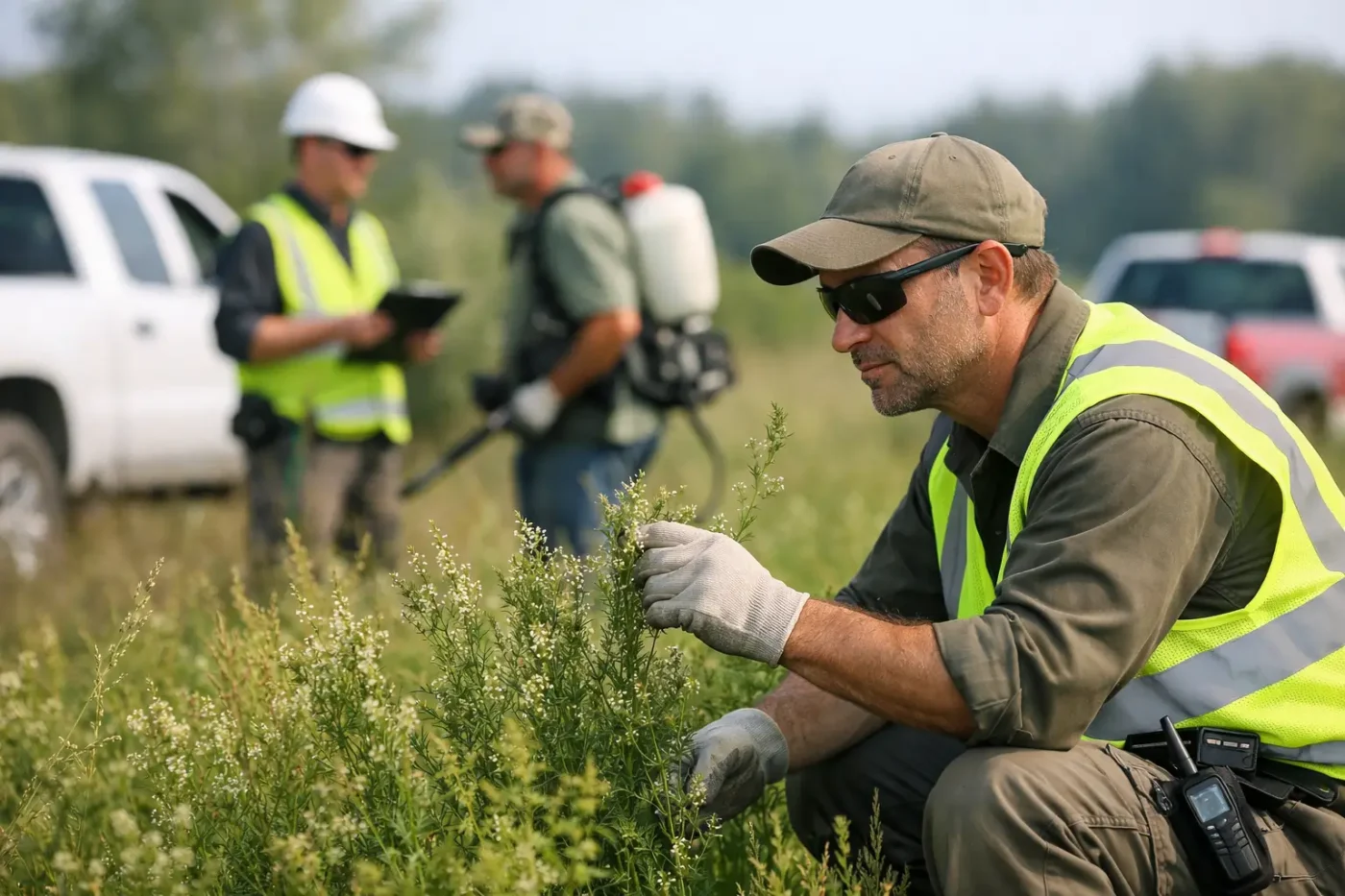
A patch of weeds beside a dam, along a creek line or under a fence can quickly become a much bigger job. Seeds spread with stock, floodwater, slashers, tyres and birds, while dense growth can take over pasture, block access and add fuel around sheds and boundary lines. The right invasive weed control contractors do more than spray green plants. They identify what is growing, work out why it is spreading and apply a practical control plan that suits the land.
For rural and semi-rural properties, weed work needs to protect the parts of the block that matter most: grazing areas, waterways, native vegetation, fence lines, tracks and usable space around infrastructure. A cheap one-off treatment may knock weeds down for a season, but lasting control normally takes the right timing, application method and follow-up work.
What invasive weed control contractors should assess first
Every property has different pressures. A steep, timbered gully needs a different approach to a cleared horse paddock, a roadside boundary or a dam catchment. Before starting work, a capable contractor should inspect the affected area and discuss how the property is used, including livestock movements, water points, crops, pets, access requirements and planned fencing or earthworks.
Correct identification is the starting point. Many invasive plants look similar when they are young, yet respond differently to herbicides and treatment timing. Lantana, blackberry, privet, camphor laurel regrowth, giant rat’s tail grass, serrated tussock, groundsel bush and vines all present different challenges across regional NSW. The best method depends on the species, its stage of growth, the density of infestation and what sits around it.
Contractors should also look beyond the visible patch. Is the weed coming in from an unmanaged creek bank, a neighbouring boundary, a disturbed building site or an area where stock regularly camp? Has recent clearing exposed bare ground? Is there enough pasture or native groundcover left to compete once the weed is removed? These questions help prevent a repeat job with little improvement.
The right method depends on the block
Herbicide application is often an effective part of invasive weed control, but it is not the only tool and it should not be treated as a blanket answer. Spot spraying can suit scattered plants in pasture or around fence lines. Cut-stump treatment may be better for woody weeds where off-target spray drift is a concern. Basal bark application can work on suitable stems, while larger infestations may require a planned combination of spraying, mechanical removal and revegetation.
Forestry mulching is useful when dense woody growth is restricting access, concealing fence lines or creating a fire-management issue. It can reduce standing vegetation quickly and leave mulch on the ground to help limit erosion. However, mulching alone does not always kill invasive plants. Many species reshoot from roots, stumps or seed banks, so follow-up treatment is usually needed to stop regrowth taking hold.
Mechanical clearing also needs careful judgement near waterways, steep slopes and areas with valuable native vegetation. Disturbing soil can create ideal conditions for weeds if the site is left bare. A practical contractor will explain where machinery is suitable, where selective hand or chemical treatment is safer, and what follow-up is required after the initial works.
Timing makes a major difference
Weed control is more effective when it matches the plant’s growth cycle and local conditions. Spraying stressed plants during very dry weather may give poor results. Treating after seed set can be too late to prevent the next spread. Wet ground may also limit machinery access and increase the risk of rutting or soil damage.
On the Mid North Coast, Northern Rivers, New England and Hunter regions, rainfall, altitude and seasonal temperatures can vary greatly between properties. That local knowledge matters. A contractor should plan work around safe weather windows, plant growth, stock management and the chance of rain affecting an application.
Some jobs are best tackled in stages. First, open access along a boundary or fire trail. Next, treat priority weeds before they seed. Then return to manage regrowth and establish desirable pasture or groundcover. This staged approach can be more cost-effective than attempting to clear every corner of a large property at once and then losing ground to reinfestation.
Protecting stock, water and usable land
Rural weed work is not just about removing unwanted plants. It must be carried out with care around stock, pets, dams, creeks, tanks and neighbouring land. Herbicides need to be selected and applied in line with product labels, site conditions and required withholding periods. Stock may need to be kept out of treated areas for a period, particularly where grazing is part of the management plan.
Waterways require additional caution. Spray drift, runoff and disturbed banks can cause problems well beyond the treatment zone. Sensitive areas may need buffer zones, selective methods or altered timing. If a weed infestation is close to a dam used for livestock or domestic supply, this should be raised before work begins, not discovered once a crew is on site.
Good access planning also protects the property. A contractor with suitable equipment can work efficiently without unnecessarily damaging tracks, gates, drains or paddocks. Where a property has poor access, overgrown lanes or soft ground, vegetation management can be coordinated with driveway repairs, drainage works, excavation or fencing so the site is prepared properly instead of being worked over several times.
Questions to ask before engaging a contractor
Price matters, but the lowest quote is not always the lowest long-term cost. Ask what plants have been identified, how the treatment method was chosen and whether the quote includes follow-up work. A clear scope avoids the common problem of expecting a weed problem to be solved after a single visit when the job actually needs monitoring over months or seasons.
It is also worth confirming that the contractor is appropriately licensed and insured for the work, understands chemical handling requirements, and can provide clear advice on site preparation and exclusions. For larger, sensitive or compliance-driven projects, landholders may also need to check local weed-management obligations, council requirements or conditions that apply to waterways and native vegetation.
When comparing invasive weed control contractors, look for these practical signs of a reliable operator:
- They inspect the site rather than quoting from a vague description alone.
- They explain what will be treated, what will be retained and how they will protect sensitive areas.
- They use equipment suited to the terrain and infestation, not a one-size-fits-all approach.
- They set realistic expectations about regrowth, follow-up and the condition of the land after treatment.
- They communicate clearly about timing, access, weather delays and any steps required from the property owner.
Pair weed control with property maintenance
Weed problems often sit alongside other rural maintenance issues. Fence lines become inaccessible, fallen timber blocks tracks, old drains hold water, and unmanaged vegetation increases fire exposure around sheds, yards and homes. Dealing with these issues together can reduce mobilisation costs and leave the property in a more manageable condition.
For example, clearing a fence line before replacing stock or dog-proof fencing gives crews room to set out accurately and build a durable result. Removing woody weeds from around a dam can improve access for a clean-out, provided erosion and water protection are properly managed. Opening overgrown tracks can make it easier to inspect boundaries, move stock and maintain firebreaks.
Agtech Fencing & Rural Services approaches these jobs as practical property works, combining vegetation management with forestry mulching, earthworks and rural fencing where it makes sense. The benefit is less time coordinating separate contractors and a clearer sequence of work across the property.
A well-managed block rarely stays weed-free by accident. Start with the worst infestations, protect the areas that matter most and put a realistic follow-up plan in place. With the right contractor and consistent maintenance, weed control becomes a manageable part of looking after productive, safer rural land.