

Equine Fencing for Horse Paddocks That Lasts
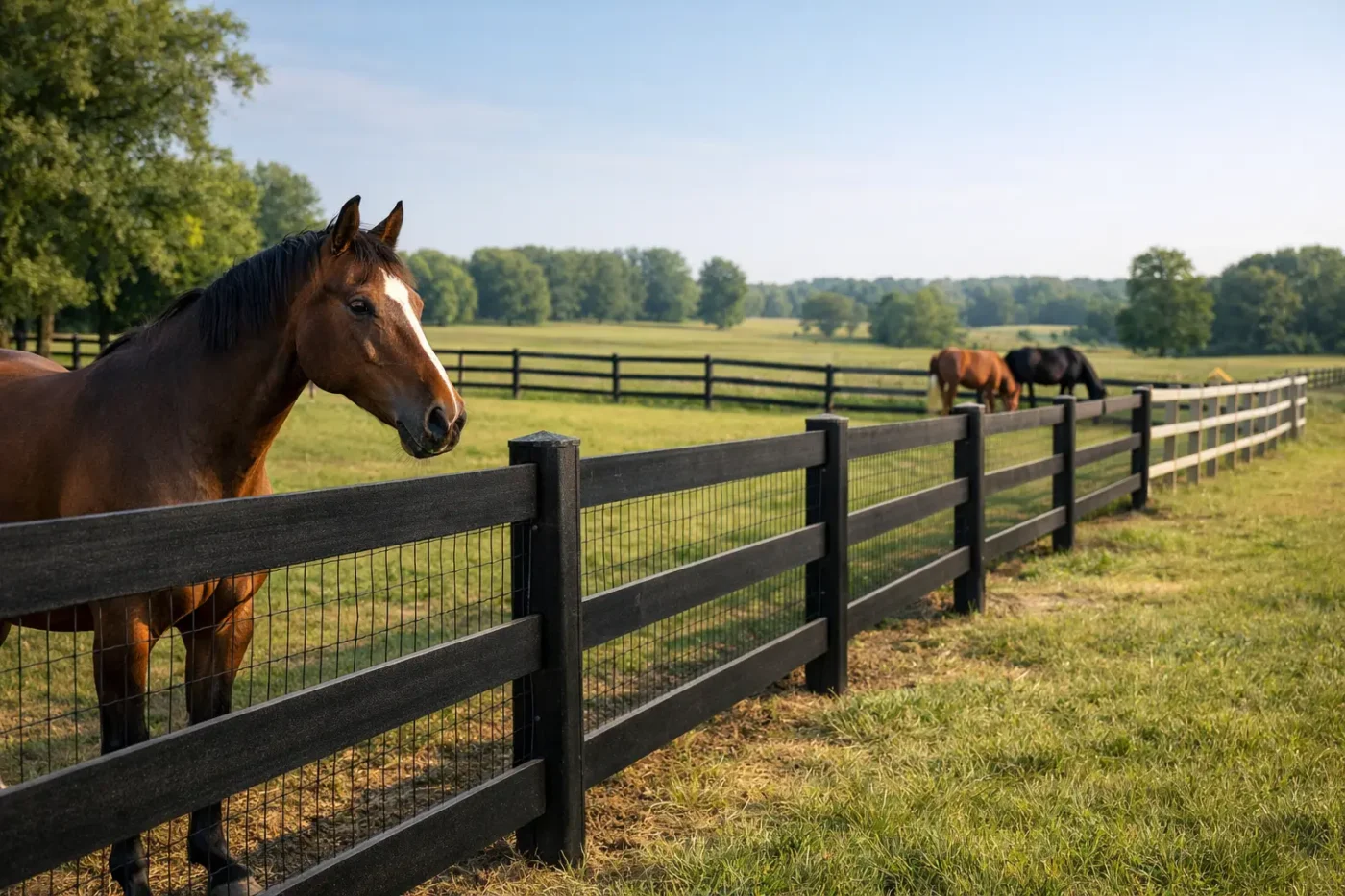
A frightened horse can test a fence harder in 30 seconds than a quiet paddock will in 10 years. That is why equine fencing for horse paddocks needs more thought than simply running wire along a boundary. The fence must be visible, forgiving where possible, strong at pressure points and built around how horses move, feed, play and enter the paddock.
For rural and acreage properties across NSW, the right result comes from matching the fencing system to the horses, the land and the way the property is used. A neat-looking fence is not enough if it creates an injury risk, sags after a wet season or leaves you wrestling with a gate every day.
Start with the horse, not the fence material
A quiet pair of older horses in a level spelling paddock places very different demands on fencing than young horses, stallions, breeding stock or a busy agistment property. Temperament, herd behaviour and stocking density all affect the design.
Horses tend to investigate boundaries, lean over rails for feed and run fence lines when separated from companions. Foals and smaller ponies can get through gaps that contain full-sized horses. If neighbouring livestock are present, or dogs and wildlife move through the property, those risks need to be considered as well.
Fence height matters, but it is not the only safety measure. A practical horse fence needs a clear visual barrier so a horse can judge it while moving at speed. It should also avoid small openings, sharp projections and materials that can entangle a leg, hoof or rug. The best choice depends on the class of horse and the paddock’s purpose, rather than a one-size-fits-all specification.
Choosing equine fencing for horse paddocks
Post and rail remains a popular choice for horse properties because it is highly visible, presents well and gives paddocks a clear, traditional finish. Timber rails can suit entrance areas, laneways, arenas and smaller paddocks where appearance is a priority. They do require sound post installation and ongoing checks for loose rails, weathering and chewing.
For larger areas, a well-designed combination of posts, horse-safe mesh and a visible top rail or electric tape can be a practical option. Properly tensioned mesh helps contain horses and can keep out other livestock, while the top line improves visibility and discourages leaning. The mesh must be selected and installed specifically with horses in mind. Products with unsuitable openings or poorly finished edges can create serious injury hazards.
Electric fencing is useful as a psychological barrier, particularly when it is set inside a physical boundary to stop horses pushing, chewing or rubbing on it. It can reduce damage to timber rails and extend the life of a fence. However, electric fencing relies on consistent power, good earthing, vegetation control and correct installation. It is not a set-and-forget answer, particularly where long grass, fallen branches or wet ground can affect performance.
Steel posts, concrete posts and treated timber all have their place. Steel can be long-lasting and efficient for some fence types, but exposed star pickets should not be used where a horse can collide with them. Timber offers a more forgiving, traditional option and suits rail fencing well. Concrete can provide dependable strength in suitable applications, especially at high-load points, although it needs careful planning where the fence line is likely to receive a direct impact.
The practical question is not which material is universally best. It is which system gives your horses clear containment, your property reliable service and a realistic level of maintenance over time.
Layout prevents daily headaches
The layout of a horse paddock affects safety as much as the fence itself. Before posts go in, consider how horses will move between paddocks, where feed will be placed, how float access works and whether machinery needs to get through. A fence that looks simple on a plan can become frustrating when a ute, mower, slasher or horse float cannot turn through the gate.
Avoid placing gates in low, boggy spots where water collects and hoof traffic quickly creates mud. Where possible, set gateways on firmer ground and allow enough room outside the opening for horses to stand without blocking access. In high-use areas, a prepared base and drainage can make a substantial difference to footing and fence longevity.
Corners, changes in direction and gateways carry the greatest load. These points need properly braced end assemblies and posts driven or set to suit the soil conditions. Sandy country, rocky ground, heavy clay and wet creek flats all demand different approaches. A fence line that is straight and firm in dry weather can move considerably once prolonged rain softens the ground.
Paddock shape also influences behaviour. Long, narrow runs may encourage horses to gallop fence to fence, while awkward corners can trap a lower-ranking horse. In shared paddocks, leave enough space around water troughs and feeding points so one horse cannot easily guard the only access point. If horses need separation, a well-planned internal fence line is safer and easier to manage than an improvised temporary barrier.
Gates deserve the same attention as fence lines
A quality gate should swing freely, latch securely and be wide enough for its intended use. Horse-only walk-through gates and larger machinery gates can sit within the same system, but they need sensible placement. A gate that opens downhill into a horse paddock, catches in the mud or has protruding hardware will soon become a daily problem.
Use horse-safe latches and hinges, with no sharp ends facing the paddock. In locations where horses lean over gates or reach for grass on the other side, an electric offset or a second barrier may prevent damage. Gates should never be the weakest part of an otherwise well-built paddock.
Prepare the fence line before installation
Good fencing starts with access and preparation. Overgrown scrub, fallen timber, tree roots, uneven ground and old wire make it harder to achieve a straight, durable result. They can also leave hidden hazards along the finished fence line.
Clearing vegetation only as far as required gives the crew room to work and makes future inspections easier. Where roots, washouts or old fence debris are present, deal with them before installation rather than trying to work around them. On rural properties, this is often where coordinating fencing with vegetation management, excavation or drainage works saves time and repeat mobilisation costs.
Drainage deserves particular attention in horse areas. Run-off from sheds, arenas, driveways or uphill paddocks can cut under a fence, undermine posts and turn gateways into wet patches. Simple measures such as shaping the ground, installing drains where needed and maintaining clear flow paths can protect both the paddock surface and the fence investment.
Build for maintenance, not just handover day
Even the best equine fence needs routine inspection. Walk or ride the fence line regularly, particularly after storms, high winds, flooding or a new horse arriving in the paddock. Look for leaning posts, loose rails, damaged mesh, fallen branches, poor electric performance and hoof holes around gates.
Keep grass and weeds off electric wires, and do not let vegetation hide broken sections of fence. Check tension where applicable, but avoid overtightening materials that need some give. If a horse has repeatedly rubbed, paced or challenged one area, address the cause as well as the damage. It may be a feed placement issue, separation anxiety, a neighbouring animal or a gate that attracts attention.
A staged approach can make sense for bigger properties. Secure the main horse paddocks, entrances and laneways first, then extend the system as yards, shelters, arenas or additional paddocks are developed. Consistent post spacing, materials and gate locations from the outset will make later work look planned rather than patched together.
Get a fence design that suits the whole property
Horse fencing should work with the rest of the farm, not compete with it. Boundary fencing may need to contain cattle or exclude dogs, internal paddocks may need a more horse-focused finish, and service access may need to accommodate machinery. Planning these interfaces early prevents costly changes later.
Agtech Fencing & Rural Services works with landholders on practical fence designs that account for horse safety, terrain, access, drainage and the broader property plan. The aim is straightforward: secure paddocks, reliable gates and workmanship that stands up to the way regional properties are actually used.
A well-planned horse fence gives you more than a tidy boundary. It gives horses a safer place to move, gives owners confidence when they leave the paddock, and makes every day on the property easier to manage.