
Steel Versus Timber Fence Posts: Which Works?
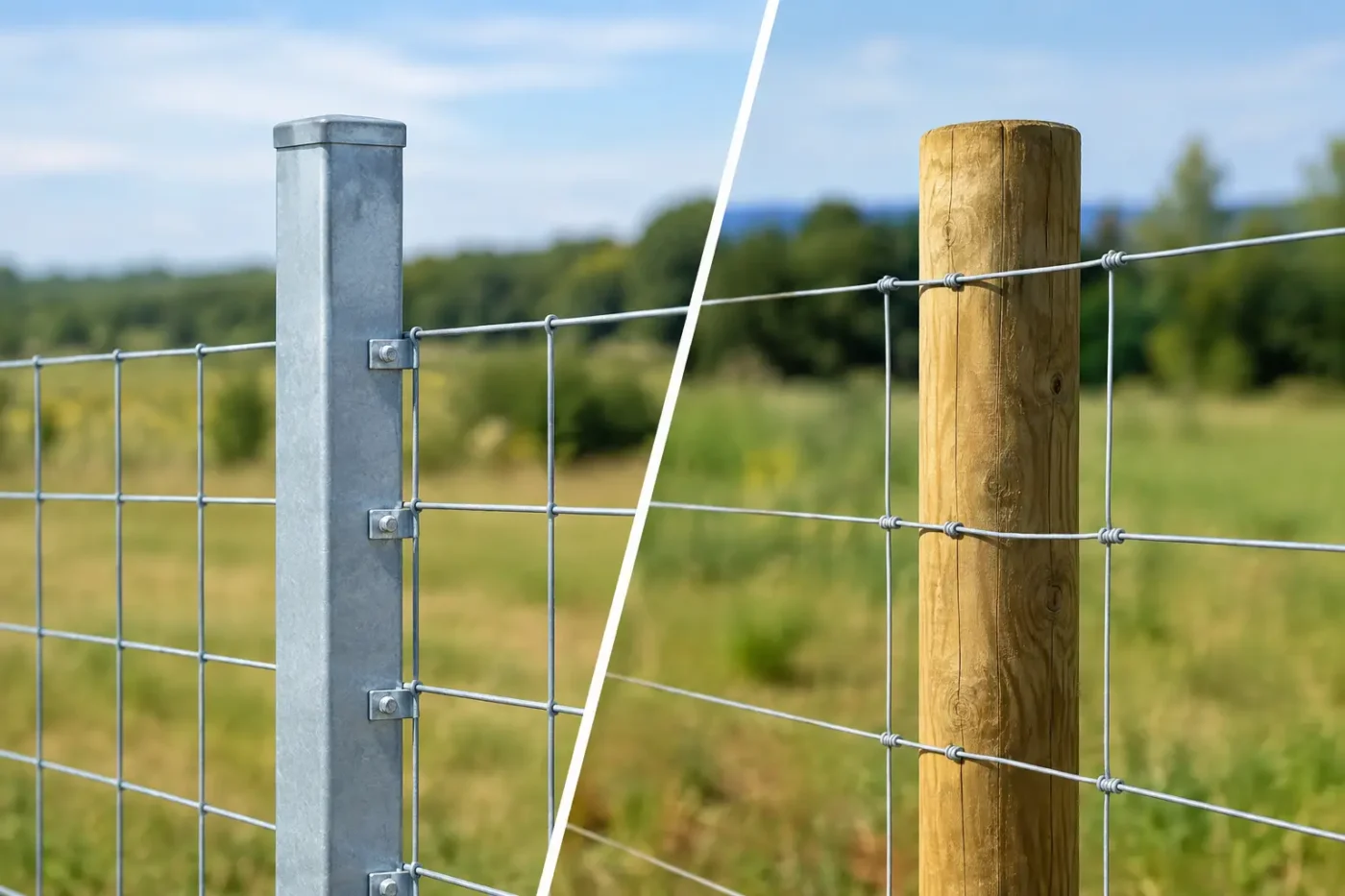
A fence can look straight and solid on the day it is built, then show its weaknesses after a wet season, a dry spell or one determined beast leaning on the wire. The steel versus timber fence posts decision affects more than appearance. It influences fence life, maintenance, installation speed, stock safety and the cost of keeping a boundary secure over the years.
For most rural properties, the best answer is not steel or timber across the entire job. It is usually a practical combination selected around the fence purpose, soil, terrain and pressure the line will carry. A light internal paddock fence has very different requirements to a dog-proof boundary, horse enclosure or heavy stock lane.
Steel versus timber fence posts: start with the job
Before selecting posts, get clear on what the fence needs to do. Is it holding cattle, keeping dogs in, excluding feral animals, defining a driveway or enclosing horses? Will gates be hung from it? Is the line exposed to wet ground, coastal air, rocky ridges or regular fire risk?
Steel and timber both have a proper place in rural fencing. Problems arise when a material is chosen solely on the upfront price or because it worked on a different property. A fence should be designed for its hardest working sections, not just its easiest ones.
For many stock fences, steel pickets or steel line posts combined with substantial timber end assemblies and strainer posts provide a reliable, cost-effective result. For post and rail fencing, equine fencing and high-visibility property entrances, timber is often the preferred choice because it provides a solid, traditional finish and broader fixing face.
Where steel fence posts earn their keep
Steel posts are widely used for line posts in rural fencing. They are consistent in size, quick to handle and can be driven efficiently into suitable ground. On long runs of stock fencing, that installation efficiency can make a real difference to labour and overall project cost.
Galvanised steel posts are not affected by termites or timber rot. That is a practical advantage in areas where moisture, insect activity and ground contact shorten the life of untreated or poorly treated timber. Steel also does not warp, split or check as it dries out.
Best applications for steel
Steel is generally well suited to standard stock fencing, temporary or semi-permanent paddock divisions, some dog-proof fencing and long boundary runs where correctly specified strainers carry the load. Steel pickets can also be a sensible option where access is difficult and materials need to be moved by hand over steep or rough country.
For a lighter wire fence, steel line posts give consistent spacing and make it straightforward to clip on plain wire, hinge-joint mesh or other suitable fencing products. They are especially useful where the fence design relies on well-built timber or steel strainers at corners, changes of direction, gateways and major rises.
Steel limitations to allow for
Steel posts are not automatically the right choice for every location. Their profile provides less surface area for attaching rails, boards and some electric fencing components. They can also bend if undersized posts are used in soft ground, if they are driven poorly or if cattle put repeated pressure on the fence.
Corrosion is another consideration. Galvanising offers protection, but it is not a reason to ignore local conditions. Highly acidic soils, permanently wet sites, fertiliser exposure and salty coastal environments can all shorten the service life of steel. Damaged galvanised coatings around cut edges, drilled holes or driven tops can become weak points if not properly addressed.
Steel is also a poor substitute for a properly designed gate post or strainer assembly. Gates, tight wire and corners put substantial force into a fence. Those loads need posts with adequate depth, bracing and footing, whether the post itself is timber, steel or concrete.
Why timber remains a rural fencing staple
Timber has been used for generations because it is strong, adaptable and straightforward to work with on site. A quality treated timber post offers a wide fixing face for wire, rails, gates and hardware. It absorbs knocks well and suits fences where a substantial, traditional look matters.
For post and rail fencing, timber is usually the natural choice. It suits horse properties, property entrances, yards and visible frontage fencing where both function and presentation count. Timber can also be easier to adjust or repair when a fence layout changes over time.
Timber works hard at corners and gates
Even on a fence built mainly with steel pickets, timber remains a common choice for end posts, corner assemblies, strainers and gateways. A suitably sized timber strainer set deep and correctly braced can manage the tension placed on wire runs. It gives installers a practical material for staples, bolts, hinges and brace connections.
For cattle yards, laneways and areas subject to regular impact, heavy timber posts can provide the mass and strength needed to keep everything in place. The right treated timber, installed at the right depth, is a dependable option for high-load sections.
The timber issues that matter
Not all timber posts deliver the same performance. Timber species, treatment level, post diameter, straightness and storage all affect the finished fence. A cheap, undersized or inadequately treated post may look acceptable at installation but fail early in ground contact.
Rot and termite damage are the most obvious concerns, particularly in damp areas or where drainage is poor. Splitting can occur around staples, bolts and rail fixings, especially where posts have dried or where holes have not been pre-drilled. Timber may also twist or crack as it seasons, which can affect the fence line and finish.
Bushfire planning is another factor for rural landholders. Neither material removes fire risk. Steel will not burn, but extreme heat can reduce its strength, distort components and damage coatings. Timber is combustible, although a properly maintained fence line with managed vegetation is easier to inspect and restore after a fire event than one buried in regrowth.
Ground conditions can decide the material
The same post can perform very differently from one paddock to the next. In firm, free-draining ground, steel posts can be driven securely and efficiently. In deep sandy soils, waterlogged flats or loose fill, a driven post may not have enough holding power without a different design or additional footing work.
Rocky ground requires a practical approach. Driving steel pickets into rock can damage the post or make alignment difficult. Timber posts may need holes excavated or drilled, which takes more time but can provide a stronger outcome where critical posts need to be set and concreted. On sloping country, fence design must also account for water movement, washouts and pressure at changes in grade.
Drainage should not be an afterthought. Water sitting at the base of timber accelerates decay, while poor drainage can reduce the stability of any post. On difficult sites, minor earthworks, spoon drains or thoughtful fence placement can protect the investment better than simply selecting a more expensive post.
Fence type changes the answer
A cattle boundary fence often benefits from steel line posts and strong timber strainers, set out to suit wire tension and terrain. This gives a durable working fence without adding unnecessary cost across every metre.
Dog-proof fencing needs closer attention to the bottom of the mesh, post spacing and tension. Steel posts can work well, but the fence must be properly tied down or skirted where digging pressure is expected. Weak corners or gaps beneath the mesh will defeat the purpose regardless of post material.
Equine fencing deserves a more cautious approach. Horses can injure themselves on poorly designed fencing, and visibility matters. Timber post and rail, or timber posts supporting purpose-built horse-safe fencing, can be a strong option. Steel may still be useful in certain designs, but sharp edges, protruding pickets and unsuitable wire arrangements must be avoided.
For gates, choose posts for load rather than convenience. A narrow farm gate is one thing. A heavy entrance gate, automated gate or regularly used machinery access requires substantial posts, suitable hinges and a stable foundation. Saving money on gate posts often leads to sagging gates, dropped latches and repeat repairs.
Upfront price versus whole-of-life value
Steel posts can be less expensive and quicker to install along a long, uncomplicated fence run. Timber may cost more to transport and install, especially for larger diameters, but it can be the better value where strength, fixing options and visual finish are priorities.
Whole-of-life value comes down to expected service conditions. Replacing a few bent line posts is manageable. Rebuilding a failed boundary corner, re-hanging a sagging gate or repairing a fence after stock escape is a different cost altogether. Put the better materials and workmanship where fence failure would cause the biggest problem.
A clear quote should identify the proposed post type, sizes, treatment or coating, spacing, strainer design, wire or mesh specification and gate arrangement. That gives landholders a fair basis for comparing options rather than comparing a single bottom-line figure.
A practical way to choose
If the fence is a long stock line on sound ground, steel line posts with quality timber strainers are often a sensible working combination. If it is a high-visibility horse enclosure or post and rail frontage, timber usually provides the finish and fixing strength required. If corrosion, wet ground, termites, fire exposure or heavy stock pressure are concerns, those site conditions should be assessed before materials are ordered.
Agtech Fencing & Rural Services can help landholders match the post system to the actual job, from stock and dog-proof fencing through to gates, equine fencing and boundary repairs. Good fencing starts with an honest look at the site, then puts the right strength in the right places so the line stays secure long after the crew has left.