
New England Farm Fencing That Handles the Country
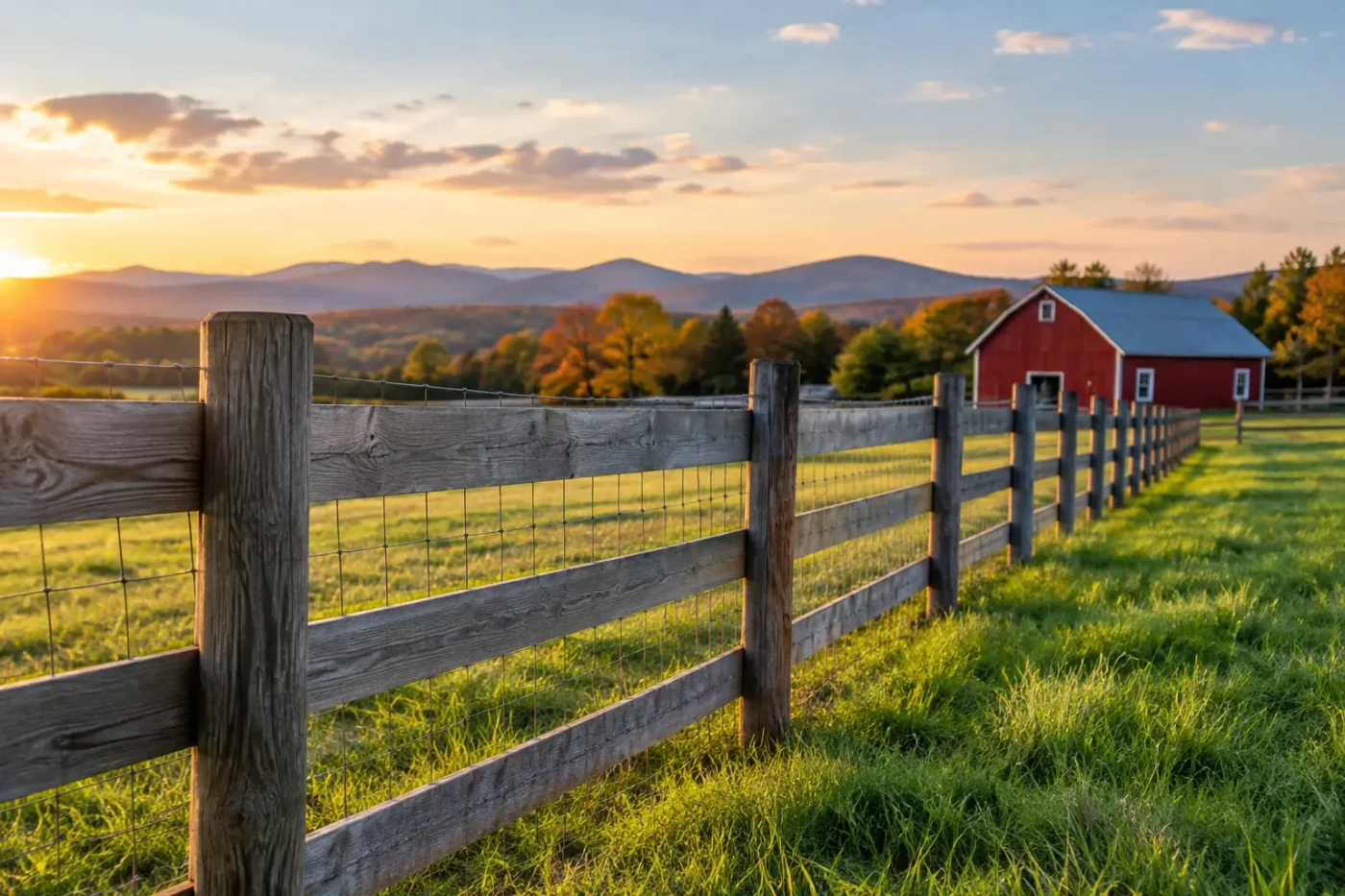
A fence that looks straight on handover day is only half the job. New England farm fencing needs to stand up to hard frosts, wet spells, dry ground, stock pressure, uneven country and the day-to-day work of moving people, animals and machinery around a property. The right design starts with how the land is used, not simply where the boundary sits.
For livestock producers, horse owners and acreage landholders, a well-built fence creates safer paddocks, clearer boundaries and less ongoing maintenance. It can also make mustering, access, weed control and fire preparation easier when it is planned alongside gates, tracks, drainage and vegetation management.
What New England farm fencing needs to handle
New England country can vary sharply from one property to the next. A fence line may cross granite ground, black soil, creek flats, steep ridges and exposed open paddocks in the same job. That makes site preparation and material selection just as important as the fence style.
Frost and moisture can affect post stability in softer soils, while dry or rocky ground can make driving posts difficult. On slopes, poor straining and incorrect post spacing can leave wires loose or put too much load on corners. In timbered areas, falling limbs and regrowth need consideration before the first post goes in.
The practical question is not, “What is the cheapest fence per metre?” It is, “What fence will do its job on this ground for the stock, access and maintenance plan we have?” A boundary fence that only needs to mark a line has different requirements from a high-pressure cattle laneway, horse paddock or dog-proof enclosure.
Start with the job the fence must do
A clear purpose helps avoid spending money twice. Stock fencing is usually designed around the animal being contained, the pressure it will put on the fence and the risk of animals getting through from neighbouring land. Cattle, sheep, goats, horses and dogs all call for different wire spacing, heights and post arrangements.
For cattle, strong end assemblies, quality strainers and properly tensioned plain or barbed wire are often central to a durable result. Sheep fencing may need closer netting or hinge-joint mesh to prevent lambs pushing through. Goat and dog-proof fencing demands more careful attention at the bottom of the fence, at gullies and around gates, where small gaps quickly become escape routes.
Equine fencing needs an even more considered approach. Horses are prone to injury when fences have sharp edges, loose wire or poor visibility. Post and rail, horse mesh and purpose-built electric options can all work well, depending on the property and budget. The key is to create a visible, secure barrier without introducing unnecessary hazards.
Boundary fences are not always stock fences
A boundary line may need to keep livestock in, keep neighbour livestock out, provide privacy or simply define ownership. These are different tasks. If a boundary fence will carry stock pressure from both sides, it should be designed accordingly rather than treated as a light-duty divider.
It is also worth confirming boundaries before construction begins. Building a fence in the wrong location can create expensive disputes that no amount of good workmanship can fix later.
Posts, strainers and wire: where durability begins
Fence performance is largely decided at the corners, ends and changes of direction. These points carry the load of the entire fence, so they need properly installed strainer assemblies suited to the terrain and wire tension. A strong run of wire is only as reliable as the posts holding it.
Treated timber posts remain a common choice for rural fencing because they suit many applications and are straightforward to work with. Split posts can suit traditional rural fence lines, while concrete posts offer long-term resistance to rot in suitable applications. Steel posts and pickets are efficient across long runs and can be a practical choice where conditions allow.
There is no one material that suits every job. Timber can provide strength and a traditional finish, but ground conditions, termite risk and available access should be considered. Steel is quick to install and consistent, though it needs the right spacing and bracing. Concrete can be a strong option in some locations, particularly where longevity is the priority, but freight, handling and site access may affect the overall cost.
Wire selection should match the task. High-tensile wire can provide an economical, effective fence when installed and tensioned correctly. Hinge-joint mesh suits many sheep, dog and mixed-use applications. Barbed wire may be used for cattle fencing and security, but it is generally not the first choice around horses. Electric offsets can improve stock control and reduce animals leaning through or damaging a physical fence.
Gates and access should be planned early
A good fence can become a daily frustration if gates are in the wrong place. Before installation, consider how utes, tractors, horse floats, feed deliveries, stock trucks and machinery will move around the property. Gateways should suit the equipment that actually uses them, not the smallest vehicle likely to pass through.
Place gates on firm, well-drained ground where possible. A gateway at the bottom of a slope or through a wet patch soon turns into mud, ruts and a damaged fence line. If water naturally runs towards the opening, drainage work or a change in location may save significant maintenance later.
Hanging gates from properly braced posts matters too. Sagging gates make access difficult and place extra load on hinges and posts. On high-use entries, a stronger gate, reliable latches and adequate clearance are worthwhile investments.
Prepare the fence line before installation
Clearing a fence line is not about stripping the country bare. It is about giving the fence a workable path and reducing future damage from branches, regrowth and debris. Overgrown lines make it difficult to install posts accurately, tension wire properly or inspect the fence once livestock are using the paddock.
In some cases, forestry mulching or targeted vegetation management can open up a fence corridor while retaining useful ground cover. Root removal, minor excavation or grading may be needed where old stumps, washouts or uneven ground prevent a sound installation. On properties with heavy weed pressure, tackling invasive growth before fencing can stop the new line becoming difficult to maintain within a season.
Creeks, gullies and flood-prone sections need their own approach. A standard fence taken straight across a drainage line may collect debris and fail in the first major flow. Depending on the site, the answer may be a floodgate arrangement, a raised section, stronger bracing or a revised alignment. It depends on how often water moves through the area and what stock control is required during high flows.
Think beyond the fence itself
The best rural fencing projects often form part of a larger property plan. A new paddock layout may need laneways, water access, upgraded tracks or an arena boundary. Clearing and fencing may need to happen before a shed pad, dam clean-out or driveway upgrade. Coordinating those works reduces duplicated machine time and prevents finished fences being disturbed by later earthworks.
This is where using a contractor with fencing, vegetation and earthmoving capability can make a real difference. Rather than arranging separate crews to clear a line, repair drainage, install the fence and restore access, landholders can sequence the work around the property’s priorities. Agtech Fencing & Rural Services works this way across regional NSW, with practical options for rural jobs that need more than a basic fence run.
Choose workmanship over false economy
Cheap fencing can be costly when posts are shallow, corners are under-braced, wire is poorly tensioned or materials do not match the application. Repairs may seem minor at first, but loose wires, damaged gates and stock escapes quickly consume time and money.
A reliable contractor should discuss the purpose of the fence, inspect the ground, explain material options and provide a clear scope. Ask how they will manage rocky sections, slopes, creek crossings, old fence removal and access for machinery. These details are where a practical quote becomes a fence that lasts.
For New England properties, the right fence is one that works quietly in the background – holding stock where they belong, keeping access straightforward and coping with the country through every season. A site inspection before committing to a design gives you the best chance of getting that result first time.