

Rural Site Preparation Guide for NSW Properties
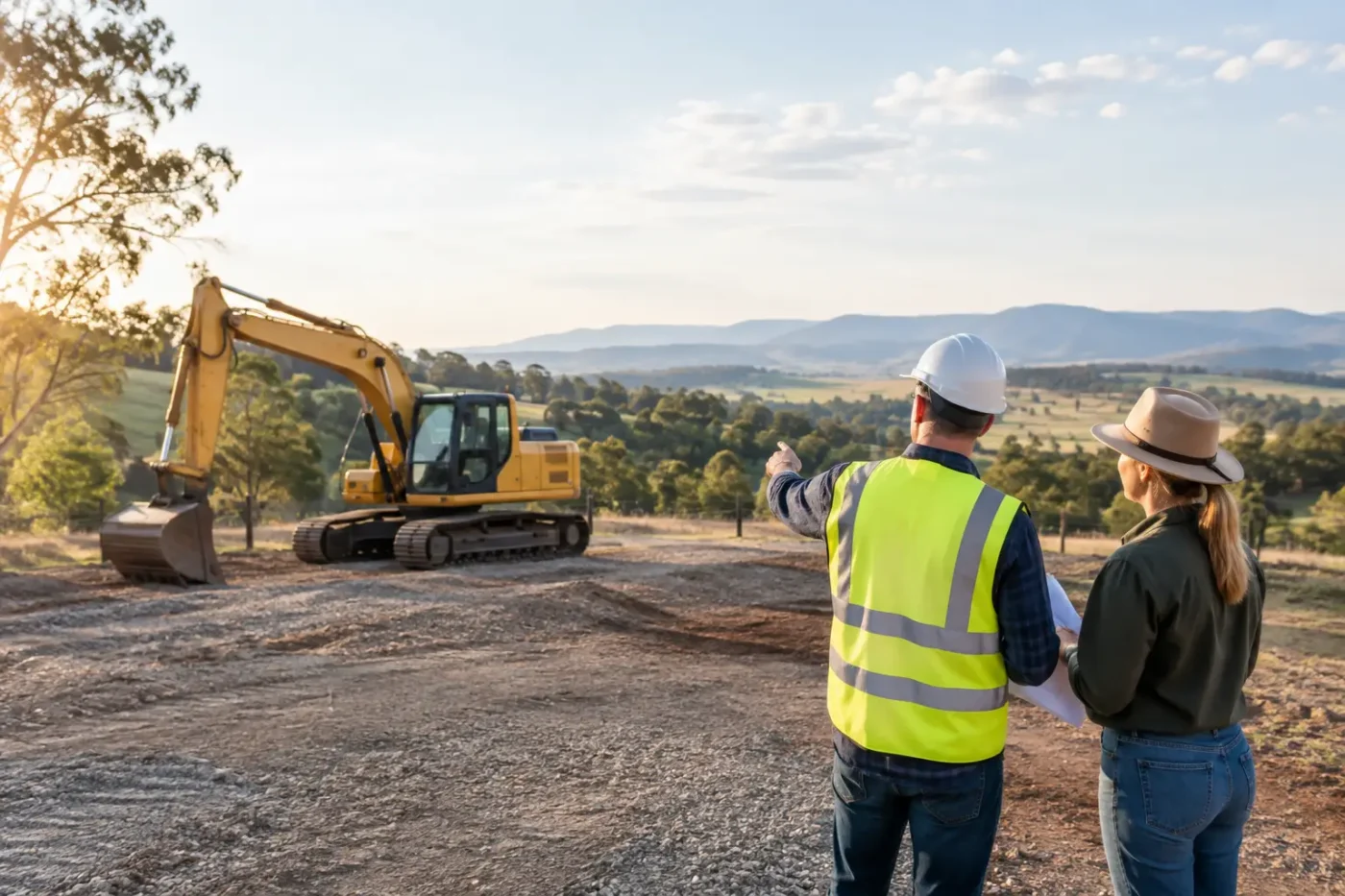
A new shed, home site, arena or set of stockyards can look straightforward on a property plan. On the ground, the job often involves wet patches, uneven country, buried rock, regrowth, poor access and runoff that has been following the same path for years. This rural site preparation guide sets out the work worth getting right before construction begins, so the finished job is practical, durable and easier to maintain.
Start with the finished use of the site
Site preparation should be driven by how the area will work once it is built, not simply by making a patch of ground look flat. A building pad needs a stable base, suitable levels and a clear plan for surface water. An arena needs drainage, a consistent profile and the right base for its intended riding surface. A livestock area needs vehicle access, safe gateways and room to move stock without creating boggy choke points.
Walk the site after rain if possible. This shows where water sits, where it crosses tracks and where vehicles lose traction. It also helps identify exposed slopes, soft ground and access routes that may suit a machine during dry weather but become difficult once the season turns.
Before machinery arrives, confirm the proposed footprint, finished levels, entry points and any services. Mark boundaries and identify underground or overhead utilities. If the work is close to a watercourse, dam, neighbour’s boundary or protected vegetation, check the approvals and environmental requirements that apply to the property. Clearing first and asking questions later can create avoidable cost and delays.
Assess access before the main works
A well-prepared site is of little use if trucks, concrete deliveries, fencing materials or farm machinery cannot safely reach it. Access roads need enough width for their purpose, adequate turning room and a surface that suits the expected traffic. A light-duty track to a weekend cabin has different requirements from an all-weather road used by livestock trucks, feed deliveries or machinery floats.
Start by considering grade. Steep roads shed water quickly but can scour badly if they are not shaped and drained properly. Low sections may need a raised formation, culverts or additional drainage to keep water moving without washing out the road base. A proper road is not just pushed clear with a machine. It needs a planned crossfall or camber, drainage outlets that will not erode, and compaction where material is placed.
Also allow for gates, bends and turning circles. A gate positioned on a steep approach can be frustrating at best and unsafe at worst. On larger rural projects, organising access early makes every later task more efficient, from excavation and fencing through to material delivery.
Clear only what needs to go
Vegetation management is often the first visible stage of rural development, but it should be selective. The aim is to create a usable work area while retaining valuable shade, wind protection, stable groundcover and established trees where practical. Over-clearing can increase erosion, expose a site to heat and wind, and leave more ongoing weed control behind.
Forestry mulching can be a practical option for regrowth, lantana and dense understorey where retaining soil cover matters. It reduces vegetation into mulch rather than leaving large burn piles or requiring broad disturbance. In other situations, trees, roots or stumps may need removal to make way for a pad, fence line, road or drainage run.
The method depends on the species, terrain, intended land use and local requirements. A building envelope may need root removal and a clean excavation area, while a fire-management zone may only require targeted thinning and fuel reduction. Keep cleared material, stockpiles and mulch out of natural drainage lines so the next heavy rainfall does not move it downhill.
Deal with weeds before they spread
Disturbed soil creates an opening for weeds. If invasive plants are already present, include a treatment plan in the job rather than waiting until works are complete. Machinery can carry seed across a property, and freshly cleared ground can quickly become a problem area if it is left bare.
The best approach may involve targeted herbicide treatment before or after clearing, follow-up inspections and stabilising exposed soil with appropriate cover. Timing matters. Some weeds respond better at particular growth stages, while wet or windy conditions can affect safe spraying and access.
Drainage is the part you cannot afford to guess
Most expensive site problems come back to water. Water undermines pads, softens road edges, damages fence lines and turns usable yards into mud. The answer is not always a deeper drain. It is a considered drainage plan that directs runoff away from buildings, working areas and vulnerable slopes without creating trouble lower on the property.
Natural fall should guide the design. Look at where water enters the site, how it travels through the property and where it can be safely discharged. Spoon drains, diversion drains, table drains, culverts and swales each have a place, but they need the right location and grade. A drain with nowhere suitable to discharge can simply move the problem.
For shed and house sites, make sure finished ground levels fall away from the building. For yards and arenas, prevent water from entering the work surface in the first place, then provide a controlled route for runoff. On sloping blocks, small decisions about cut, fill and diversion drainage can make a major difference during prolonged rain.
Build pads for the structure, not just the day
A pad should match the job it will carry. A tank pad, shed pad, home site and arena base each require different levels of excavation, fill, compaction and finish. The ground may look firm on top while hiding soft material beneath, particularly in areas that have been filled, cultivated or affected by previous drainage.
Strip unsuitable topsoil and organic material from beneath structural areas, then place and compact suitable fill in controlled layers where required. If the site needs significant cut and fill, consider how that will alter drainage and whether batters need to be shaped for long-term stability. Retaining, erosion control or engineering advice may be needed on more complex sites.
Do not use a building pad as a general storage area for spoil, logs and machinery once it is prepared. Heavy traffic and stockpiles can damage finished levels, compact areas unevenly and create drainage depressions. Keeping the work sequence organised protects the investment already made in the base.
Plan fencing and services before final grading
Fencing is often left until the end, yet fence lines affect the whole site layout. Decide where gateways, laneways, water points, yards and machinery access will sit before completing final earthworks. This is particularly important for stock and dog-proof fencing, equine fencing and boundary work across uneven ground.
A fence is only as useful as its gate placement. Gates should suit the direction livestock naturally travel, allow machinery through and avoid low points where mud builds up. On horse properties, consider visibility, safe corners and separation from hazards. On livestock properties, think about pressure points around troughs, yards and laneways.
At the same time, allow for water, power, communications and drainage crossings. Trenching after roads, pads or finished surfaces are complete can mean reopening work that was already done properly. Coordinating excavation, trenching and fencing in the right order saves rework and keeps the site cleaner.
Choose a work sequence that reduces rework
Every property is different, but a sensible sequence usually starts with planning and approvals, followed by access, clearing, bulk earthworks and drainage. Pads, trenching and service runs can then be completed before final road surfacing, fencing, gates and cleanup.
There are exceptions. A difficult boundary may need fencing early for stock security, or wet-season timing may mean drainage must be completed before other work. The key is to avoid having one contractor undo another’s finished work. A capable rural contractor can coordinate forestry work, excavation, drainage, fencing and haulage around the conditions on site, rather than treating each task as separate.
For landholders across regional NSW, this practical approach is where Agtech Fencing & Rural Services can reduce the pressure of managing multiple trades and machines. Clear communication about the finished outcome, site constraints and priorities gives the crew a better basis for delivering work that lasts.
A well-prepared rural site does more than make the next stage of construction easier. It gives you safer access, drier working areas, stronger infrastructure and a property that is ready to handle everyday use when the weather is not playing along.