
Machinery Transport Services for Rural NSW
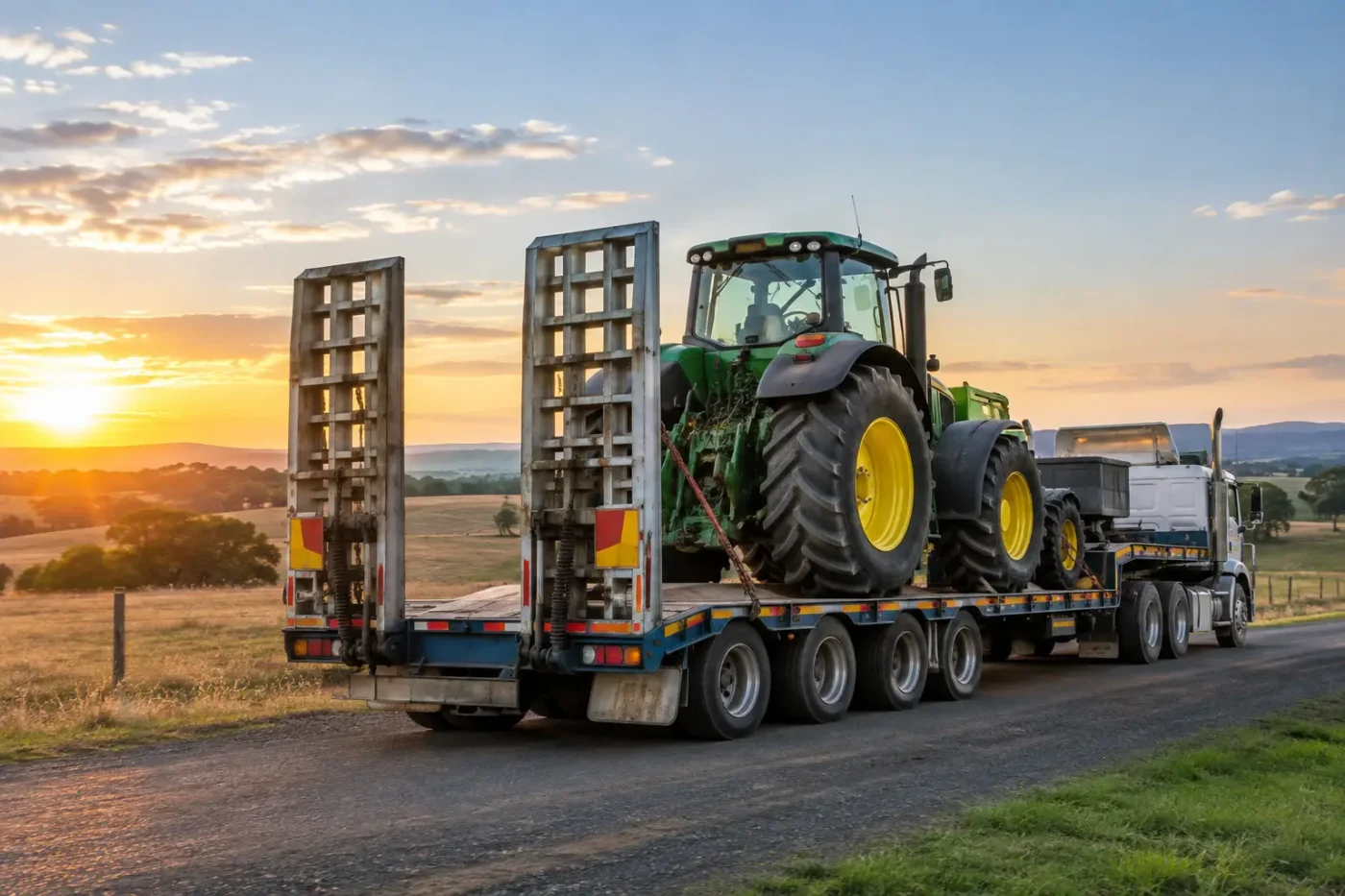
A machine sitting at the wrong end of a property can hold up a whole job. Whether it is an excavator needed for a dam clean-out, a Positrack heading to a fire-reduction project or a tractor being moved between sites, dependable machinery transport services keep rural works moving without unnecessary downtime.
For landholders, builders and contractors, the job is not simply getting plant from A to B. The load needs to be correctly secured, the route needs to suit the machine, and the delivery point needs to be accessible when the truck arrives. Good planning protects valuable equipment and helps the work begin on schedule.
When machinery transport services make sense
Moving machinery under its own power is not always practical. Long distances add hours to the job, use fuel, increase wear and can create safety issues on public roads. Some machinery is not road registered, is too slow for road travel, or is needed at another site before the day is out.
Transport is particularly useful when a project involves several properties, staged works or specialist equipment that is only required for a short period. A rural fencing project may need an excavator to prepare difficult ground or remove old stumps before fence construction begins. Forestry mulching and vegetation work can require plant to move quickly between blocks while conditions are suitable. Builders may also need machinery delivered to a pad, drainage or access-road project without relying on separate operators to coordinate the move.
Using one contractor for both the transport and site work can reduce handovers. There is less chance of machinery arriving before access is ready, or an operator waiting around because another part of the project has fallen behind.
The details that affect a machinery move
Every load is different. Machine size, weight, attachments, ground conditions and access all affect how a transport job is planned and priced. Clear information at the quoting stage helps avoid surprises on delivery day.
Machine dimensions and attachments
Provide the make and model where possible, along with the machine’s operating weight, width, height and length. Attachments matter too. A bucket, rake, mulcher head, ripper or other implement can change the overall dimensions and how the machine is loaded.
It is also worth confirming whether the machine is operational. A working machine can generally be driven onto and off suitable transport equipment. A non-running machine may need different loading arrangements, more time on site or additional equipment. Being upfront about its condition allows the transport to be organised properly.
Site access and ground conditions
A rural address does not always tell the full story. The last few kilometres can include narrow lanes, low branches, soft shoulders, steep entries, cattle grids, creek crossings or tight gates. These details are often more important than the highway route.
Before booking transport, consider where the truck can safely turn, unload and leave the property. Wet ground can quickly become unsuitable for heavy vehicles, particularly around dams, new pads, freshly worked soil and low-lying areas. If access is limited, an alternative unloading point may be the safest option, with the machine travelling the remaining distance across the property.
Photos, site pins and a quick discussion about the driveway can make a major difference. They allow the operator to identify issues early rather than discovering them with a loaded truck at the gate.
Timing around the wider job
Transport should be scheduled around the actual work sequence, not just a preferred date. If a machine is arriving for earthworks, check that the area has been marked out, underground services have been considered and access has been cleared. If the job depends on dry weather, allow some flexibility rather than locking in a delivery that may not be usable after heavy rain.
Collection matters as much as delivery. Once the work is complete, the machine should be clean enough to load safely, free of loose material and ready at the agreed location. Delays at either end can affect other bookings, especially where transport is servicing regional sites across the Mid North Coast, New England, Hunter and Northern Rivers regions.
Safe loading is not an afterthought
Heavy machinery has a high centre of gravity, uneven weight distribution and moving components. Loading it correctly is skilled work. The machine must be positioned to suit the transport setup, secured using appropriate restraint equipment and checked before travel.
The goal is not only to prevent movement on the road. Correct loading helps protect hydraulic lines, buckets, tracks, tyres and attachments from damage. It also gives the driver proper visibility and keeps the load within the required limits for the route.
Property owners can help by keeping children, livestock and unnecessary vehicles clear of the loading area. Choose firm, level ground where possible, and make sure the machine operator and transport driver can communicate without people standing in blind spots. A few minutes spent preparing the area is far better than trying to load around a muddy gateway, loose dogs or parked utes.
Choosing a transport provider for rural work
Price matters, but the cheapest quote is not always the best value if the provider has not allowed for access, machine weight or the real scope of the move. Ask practical questions before committing: Does the transport suit the machinery being moved? Has the provider discussed the loading and unloading conditions? Are they licensed and insured for the work? Can they coordinate with the contractor performing the site works?
Experience in rural areas is valuable because country jobs rarely follow a standard template. A property may have a long gravel driveway, a wet-weather access issue, a gate that needs temporary removal or a delivery point well away from the house. A capable operator will ask the right questions, communicate clearly and arrive prepared for the conditions.
AGT Haulage supports machinery, vehicle and large-load transport as part of Agtech Fencing & Rural Services’ broader rural contracting capability. This is useful where fencing, mulching, excavation, drainage or property clean-up works need to be planned as one coordinated job rather than managed across several separate businesses.
Preparing your property before the truck arrives
A smooth delivery starts well before transport day. Make access routes clear of overhanging branches, move stock away from gates and loading zones, and check that gates can open wide enough. If a neighbour’s access, shared driveway or private road is involved, let them know about the expected movement in advance.
Check for hazards around the unloading area, including powerlines, boggy patches, ditches, culverts and recently excavated ground. Mark any known underground services or fragile areas that must not be crossed. If conditions change after heavy rain, advise the transporter early. A short call may allow the delivery time or location to be adjusted before the truck is already on the road.
It also helps to nominate one person on site who can meet the driver, open gates and confirm the correct unloading location. On large rural properties, clear directions save time and reduce the risk of heavy equipment travelling over ground that was not intended for vehicle access.
Transport that supports the finished result
Machinery transport is often treated as a separate task, but it has a direct effect on the quality and timing of the work that follows. The right machine arriving safely, at the right place and when the ground is ready gives fencing crews, earthmoving operators and land-management contractors the best chance of delivering durable results.
If you are planning a rural project, start the transport conversation at the same time as the work itself. Share the machine details, access information and job timing early, then allow for weather and site conditions. That practical preparation keeps the day safer, protects your equipment and gets the job underway with less mucking around.