
Hanging Farm Gates That Open, Shut and Last
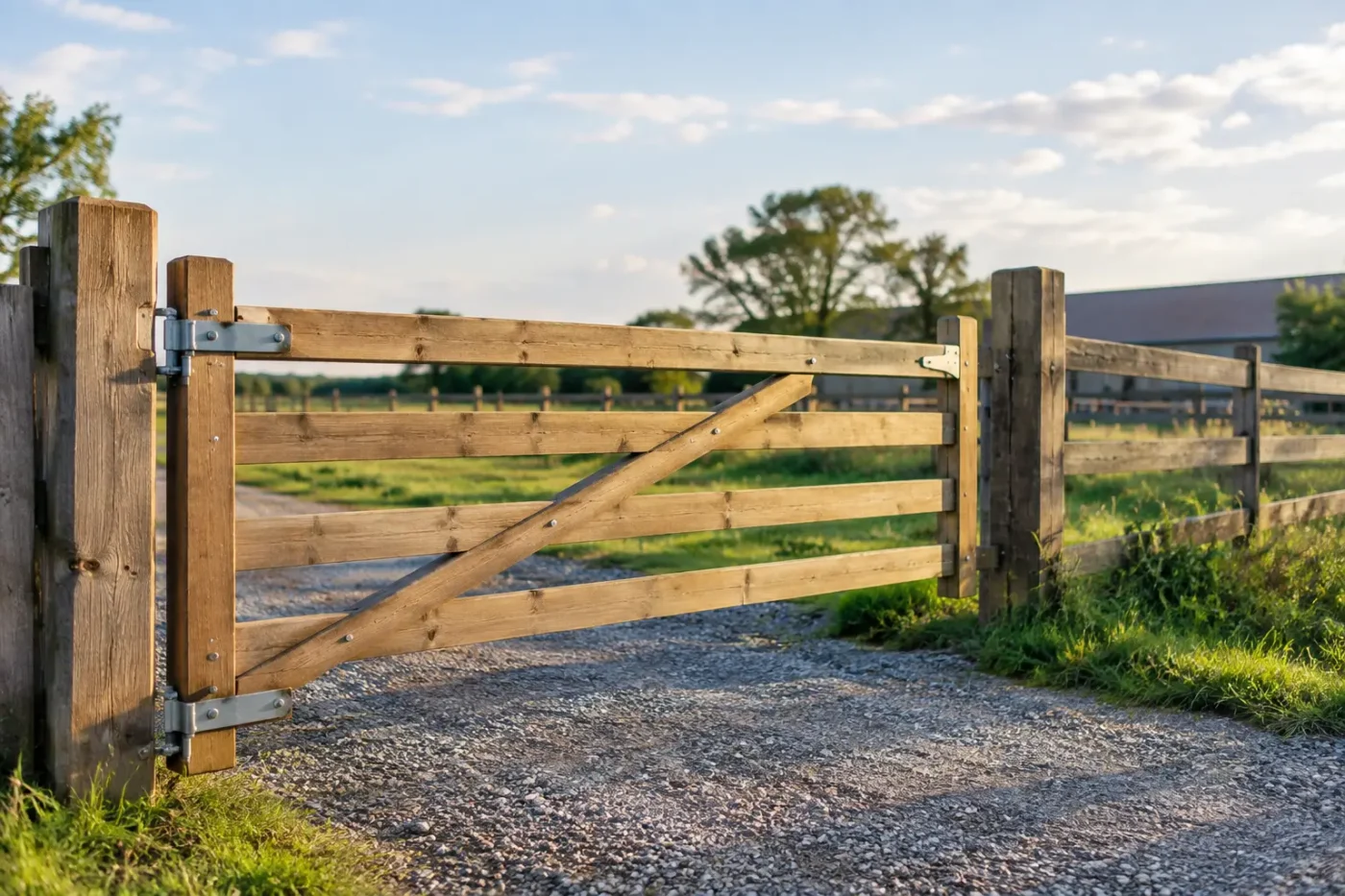
A farm gate that drags in the dirt, drops off level or will not latch properly becomes a daily frustration fast. Hanging farm gates correctly is not just about getting the gate on its hinges. It is about setting up dependable access, keeping stock where they belong and building an entry that keeps working through wet weather, heavy use and changing ground conditions.
For rural and acreage properties, the right approach depends on the gate’s width and weight, the ground it sits on, what needs to pass through it and how often it will be used. A light pedestrian gate at a house yard has very different demands to a wide steel gateway used by livestock trucks, tractors and horse floats.
Start with the job the gate needs to do
Before posts go in the ground, work out how the gate will be used. This decision influences the gate material, opening width, post size, hinge arrangement and latch location.
A stock paddock gate may only need to be opened a few times a week, but it still needs enough height and strength to contain cattle, sheep or horses. An entrance gate may be operated several times a day and needs room for utes, trailers, machinery and emergency vehicles. If the access is shared with a neighbour, contractors or agistment clients, ease of use matters just as much as security.
Gate width is often where problems begin. A wider opening makes vehicle access easier, but a long single gate puts more leverage on the hinge post and is more likely to sag if the materials and installation are undersized. In many situations, double gates are the better option for wide driveways. They reduce the load carried by each gate leaf, although they do require a centre meeting point that latches cleanly.
Think about the surrounding fence line as well. Gates should suit the fence height, mesh type and animal pressure. A gate that is lower, weaker or poorly tied into the adjoining fence can quickly become the obvious escape point.
Setting gate posts for long-term strength
The hinge post does the hard work. It carries the full weight of the gate and takes repeated force every time the gate is swung open, pushed shut or caught by wind. If this post moves, leans or twists, the whole gate setup suffers.
Timber, steel and concrete posts can all work well when selected for the application. Treated hardwood posts remain a practical choice for many rural gates, particularly where they are sized properly and set deep enough. Steel posts can provide excellent strength and a neat finish, while concrete posts suit some heavy-duty or termite-prone applications. The best choice comes down to site conditions, gate weight, fence design and budget.
For a standard farm gate, the hinge post should be substantially stronger than an ordinary line post. It needs adequate embedment below ground and proper compaction or concrete where conditions call for it. Soft, wet or disturbed ground may require more depth, a larger post or additional bracing. On sloping ground, there is even more reason to get the post layout right before committing to holes and hardware.
A strainer assembly or brace may be needed where the gate post also carries tension from wire fencing. Without it, tensioned wires can pull the post out of plumb over time. This is especially relevant for stock fencing, dog-proof fencing and long runs where wire tension is significant.
The closing post matters too. It must hold the latch securely and remain in line with the hinge post. A solid gate is no good if the closing post shifts and leaves the latch short by 20 millimetres.
Allow for drainage and changing ground
Water is hard on gates. It softens soil around posts, creates boggy approaches and can leave a gate dragging through mud after every decent fall of rain. Where a gateway sits in a low area or receives runoff from a driveway, address drainage before hanging the gate.
This could mean reshaping the approach, installing a drain or culvert, adding road base, or lifting the gateway surface. The right solution depends on the site. What matters is avoiding a setup where water continually undermines the posts or builds a rut beneath the swing path.
How to hang farm gates level and clear of the ground
Once the posts are set, hanging farm gates is a matter of accurate layout rather than guesswork. The gate needs to sit level, have enough clearance to swing freely and line up with the latch at the closing end.
Start by checking the finished ground level, not just the surface on installation day. If the driveway will receive gravel later, allow for that. If the entrance gets muddy and rutted in winter, make sure the bottom rail will still clear the ground. Too much clearance can create a gap that smaller livestock or dogs may test, while too little clearance guarantees dragging.
As a general rule, leave enough room for the gate to operate without scraping, while keeping the bottom gap appropriate for the animals being contained. On uneven or rising ground, a gate may need to swing towards the lower side, or the approach may need grading to create a usable arc. Trying to force a standard gate arrangement onto a steep or uneven site usually leads to poor operation.
Fit the top and bottom hinges so the gate weight is distributed correctly. The upper hinge carries the lifting load, while the lower hinge helps prevent the gate from pulling away from the post. Heavy gates may need adjustable hinges, gudgeons, purpose-built heavy-duty hardware or a wheel for support. A wheel can help on a long gate, but it is not a substitute for a properly installed hinge post. Wheels can also cause trouble in soft ground, gravel or uneven paddocks, so they need to suit the surface.
Hang the gate slightly proud where necessary to allow for minor settling and hardware adjustment. Check it through the full swing, not just when it is half open. A gate can look level at the latch point but bind against the ground halfway through its travel.
Choose hinges and latches that suit the pressure
Cheap or undersized hardware often fails before the gate itself. Hinges need to match the gate weight, post type and expected use. Galvanised hardware is a sensible choice for exposed rural conditions, but quality, thickness and correct fitting still matter.
For gates used by cattle, horses or public-facing visitors, consider how the latch will perform when pulled, pushed or rattled. A simple chain and dropper arrangement can be practical in some paddocks, but it is not always convenient or secure. Slam latches, spring-loaded latches and lockable options can improve day-to-day use at house yards, laneways and entrances.
The latch should be easy to reach from the side where people naturally approach it. That sounds obvious, yet poorly planned gate swing direction regularly leaves operators stepping through mud, climbing an embankment or reaching over a fence to shut the gate. If regular vehicle access is expected, allow enough room beside the opening for someone to pull in safely before getting out.
Where horses are involved, avoid protruding hardware and sharp edges. Equine fencing and gates need particular care because horses lean, rub and can injure themselves on fittings that would not trouble cattle.
Common problems that cause gates to fail early
Most troublesome farm gates show the same few issues. The hinge post was too small or too shallow. The gate was hung too close to the ground. The fence tension pulled the post out of line. The opening was not measured accurately, or the gate was too long and heavy for the hardware supporting it.
Another common issue is installing a gate before access works are complete. If excavation, drainage, driveway construction or vegetation clearing is still planned, machinery may need to travel through the opening and alter finished levels. It can be more efficient to set the posts during fencing works but leave final gate adjustment until the access surface is complete.
Do not overlook wind exposure either. An open mesh gate allows wind through more readily than a solid privacy-style gate. On exposed ridges and coastal properties, a solid gate can put considerable strain on posts and hinges during storms. Stronger posts, better bracing and suitable stops may be required.
A gate installation that suits the whole property
A well-built gateway should work with the rest of the property, from fence lines and stock movement to driveways, drainage and machinery access. This is where experience on rural jobs makes a difference. The best result is rarely just a gate hung between two posts. It is an entry designed around how the land is used now and what is likely to happen there next.
For properties across regional NSW, Agtech Fencing & Rural Services can coordinate gate installation with fencing, access preparation, drainage and earthworks where required. That reduces the risk of one job undoing another and gives landholders a practical, durable outcome.
If a gate is starting to sag, drag or leave a gap where stock can test the fence, deal with it before it becomes a bigger repair. A properly planned gate is one less job waiting at the end of a long day.