

Arena Preparation for Better Riding Surfaces
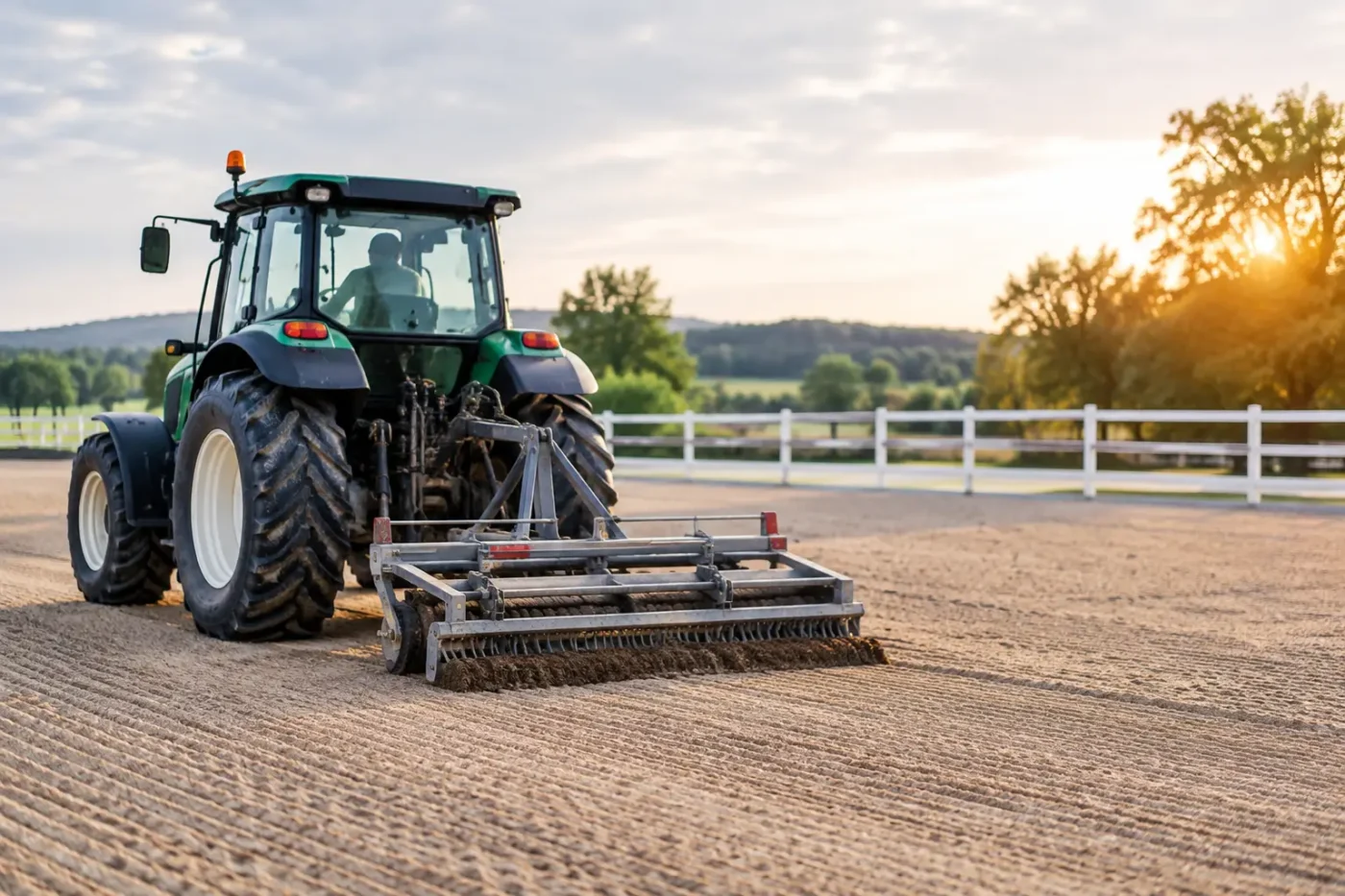
A riding arena can look level on the day it is built and still become hard, slippery, boggy or uneven within a season. Quality arena preparation is what separates a surface that simply looks tidy from one that drains properly, rides consistently and stands up to regular use by horses, riders and machinery.
For equine property owners, the job starts well before sand or footing material arrives. The site needs to suit the property, water needs a clear path away from the surface, and the base must be built for the type of riding planned. Getting these details right early saves costly repairs, lost riding time and ongoing maintenance headaches.
Why arena preparation starts below the surface
The visible riding surface is only one part of an arena. Underneath it sits the formation, base and drainage system that carry the real workload. If the ground has not been stripped, shaped and compacted correctly, even premium footing will not perform as it should.
Natural ground varies widely across rural NSW properties. One site may have firm gravelly soil, while another has reactive clay, soft fill or a slope that channels runoff straight towards the arena. A contractor needs to assess the ground conditions before deciding how much material to remove, where to place drainage and whether a stabilised base is required.
The goal is not always to make a site perfectly flat. A small, controlled fall is often needed to move water away from the arena without creating a noticeable slope underfoot. Too much fall can affect riding balance and cause footing to migrate. Too little can leave water sitting on the surface after rain.
Choosing the right site for an arena
The most convenient location is not always the best one. An arena close to stables, yards and a house makes daily use easier, but it also needs reliable access for construction equipment, footing deliveries and future maintenance. It should not be placed where runoff from roofs, hillsides or nearby access roads will flow directly into it.
Existing drainage lines, dams, low-lying ground and established trees all need consideration. Tree roots can create uneven ground over time, while leaf litter and shade can keep a surface damp for longer. Clearing or root removal may be needed before construction starts, particularly where an older paddock has been repurposed for equine use.
Access matters as well. Trucks need room to deliver road base, sand or specialised footing, and machinery needs space to work safely around the perimeter. Planning this during the earthworks stage is far more practical than trying to solve it once fencing, lighting or landscaping is in place.
The groundwork that makes an arena last
A proper build generally begins by clearing vegetation and stripping unsuitable topsoil or organic material. Topsoil may be useful elsewhere on the property, but it is not a stable foundation for an arena. Leaving it beneath the base can lead to settlement, soft spots and drainage problems as the material breaks down.
Once the area is stripped, the subgrade is shaped to the required levels and compacted. On sites with weak or reactive soils, separation fabric or geotextile may be used between layers. This helps prevent the base material from mixing into the underlying soil, particularly where the ground stays wet or receives regular hoof traffic.
The base material is then placed and compacted in controlled layers. The right material depends on the site, intended use and selected footing. A dressage arena, jumping arena and general-purpose training surface can each have different requirements. There is no benefit in overbuilding a lightly used private arena, but cutting corners on a busy agistment or competition training arena can quickly become expensive.
Compaction is a key part of the process. Material needs to be compacted thoroughly while maintaining the correct levels and fall. A base that is loose or inconsistent may shift under traffic, leaving hollows and ridges that show through the surface above.
Drainage is not an optional extra
Water is the main reason riding arenas fail early. Heavy rain can wash fines through a poorly built base, turn footing into slurry or create persistent wet patches that never properly dry out. In dry weather, poor drainage design can also lead to erosion around the edges and loss of surface material.
Drainage may involve spoon drains, perimeter drains, ag lines, outlets or diversion banks that intercept runoff before it reaches the arena. The best option depends on the site. A level block with sandy soil may require a simpler system than a clay-based site below a sloping paddock.
Drainage must have somewhere to go. Directing water towards a shed, driveway, neighbour’s property or already wet part of the block only shifts the problem. During planning, it is worth considering how water moves across the entire property in a significant downpour, not just what the ground looks like after a light shower.
Matching footing to the way you ride
The top layer needs to provide grip, cushioning and a predictable response under hoof. Sand is common, but not all sand is suitable for arenas. Particle shape, size, dust content and how the material holds moisture will affect how it rides and how often it needs attention.
A deep, loose surface can be tiring for horses and difficult to maintain, while a surface that is too thin or compacted can become unforgiving. The ideal depth depends on the footing product, discipline, horse numbers and whether the arena will be watered, dragged or used year-round.
For a private arena used a few times a week, a well-prepared base and quality sand may be the sensible choice. Higher-use arenas may justify blended footing with fibre, wax or other additives to improve consistency and moisture retention. These products can perform well, but they increase the upfront budget and may require specific maintenance practices.
It is worth being realistic about maintenance before selecting a surface. If there is no water supply nearby, a footing that relies on regular watering may not suit the property. If the arena will not be dragged regularly, a simpler surface that is more forgiving of light maintenance can be the better long-term option.
Finish the edges properly
The perimeter often gets overlooked, yet it plays a major role in keeping the arena usable. A well-defined edge helps contain footing, protects the base and allows water to drain away without washing material into surrounding paddocks.
Retaining options, kerbing, timber borders or carefully formed edges may be used depending on the design and budget. Gates should be wide enough for a tractor, arena groomer or maintenance equipment to enter without damaging the boundary. It also helps to position gates where riders can mount, dismount and move horses without creating a churned-up traffic point in the middle of the surface.
Fencing should suit the horses using the arena. Highly visible, horse-safe fencing is usually the priority, with layouts that avoid tight corners and unnecessary hazards. Post and rail, equine mesh and selected electric options each have their place, depending on the property and level of containment required.
Common shortcuts that create expensive problems
The most common mistake is placing arena sand directly over paddock soil. It may look acceptable at first, but the two layers can mix, drainage becomes inconsistent and the surface soon develops soft areas. Another issue is relying on a quick visual level rather than laser-controlled levels. A difference that is hard to see can still hold water across a large arena.
Poor access planning is another avoidable problem. If delivery trucks cannot reach the site safely, material may need to be dumped further away and shifted again, adding time and cost. Likewise, failing to allow for drainage outlets can leave a finished arena with nowhere for water to escape.
The cheapest quote is not always the cheapest outcome. Ask what is included in stripping, base preparation, drainage, compaction, material supply and final shaping. A clear scope makes it easier to compare options fairly and reduces surprises once work is underway.
Planning arena preparation with the right equipment
Arena construction is an earthworks job as much as an equine project. It requires machinery that can strip, shape, excavate, spread and compact accurately without unnecessarily disturbing surrounding paddocks. Positrack and excavator capability can make a major difference on sites with limited access, uneven terrain or drainage work around the arena footprint.
At Agtech Fencing & Rural Services, arena preparation can be planned alongside access roads, drainage, pads, fencing and vegetation work. Coordinating these jobs through one capable contractor can reduce repeated machine mobilisation and help ensure the finished arena works with the rest of the property, rather than against it.
A good arena should feel dependable every time you use it. Put the effort into the ground preparation, drainage and base from the start, and the riding surface has a far better chance of delivering safe, consistent footing for years to come.