

How to Clear Fence Lines Safely on Rural Land
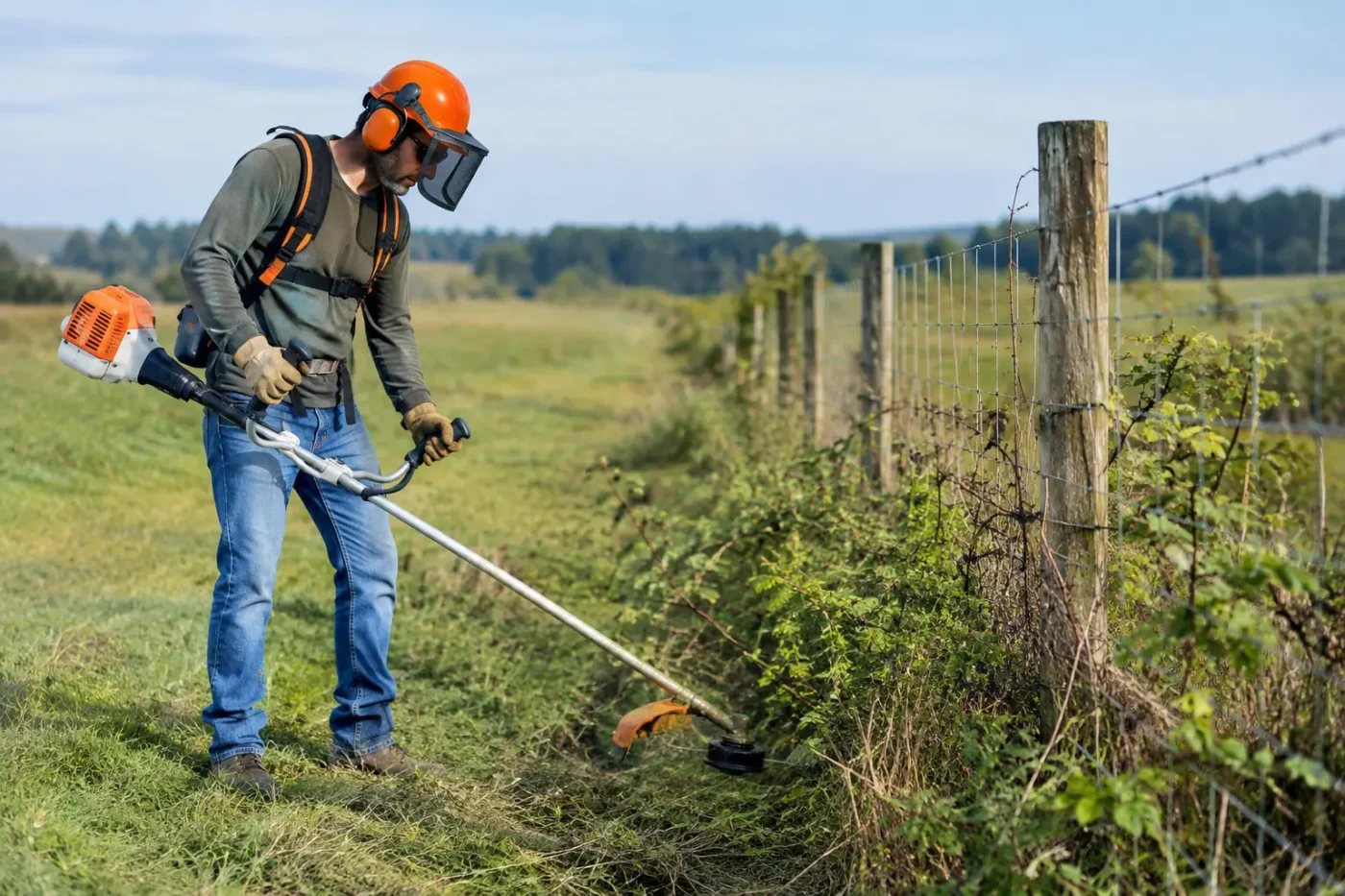
A fence can only be as reliable as the ground it stands on. Overgrown timber, fallen branches, blackberry, lantana, long grass and buried rubbish all make a new fence harder to build and maintain. To clear fence lines safely, start with a plan that protects people, stock, services, drainage and the boundary itself – not just the quickest path through the scrub.
For rural properties, fence-line clearing is rarely a simple slashing job. The right approach depends on slope, soil type, vegetation density, access for machinery, fire risk and the type of fence being installed. A stock fence through open country needs different preparation to dog-proof fencing along a creek line or equine fencing beside a driveway.
Start with the boundary, not the machinery
Before clearing begins, confirm exactly where the fence belongs. Existing fences do not always sit on the legal boundary, particularly on older rural blocks where posts have been shifted around trees, creeks or erosion over time. If there is any uncertainty, check your title information and speak with adjoining owners. For a boundary dispute or a fence being built close to a surveyed line, obtain professional survey advice before removing vegetation or setting out posts.
Walk the proposed line from end to end. This is the time to identify gullies, washouts, rock shelves, old stumps, unstable banks and places where the fence may need to step, angle or change construction. It is far cheaper to adjust the line on foot than after a crew has cleared ground and started driving posts.
Also look beyond the immediate fence path. A large dead limb leaning over the line may become a problem after the new fence is installed. A timber pile close to the boundary can hold moisture, shelter pests and create a fire hazard. Clearing should leave enough working room for construction and future repairs, without stripping more vegetation than the job requires.
Check hazards before you clear fence lines safely
A clear corridor does not mean a safe work area. Rural fence lines often cross ground with hazards that are easy to miss under grass, vines and leaf litter. The most serious risks are usually overhead powerlines, underground electrical cables, water pipes, telecommunications services, steep terrain and concealed rubbish such as old wire, steel, glass or chemical containers.
Before excavation, post driving or root removal, arrange a service search through Before You Dig Australia and physically inspect the site. Plans are useful, but they do not replace careful on-ground checks. Treat the indicated location of any service as approximate until it has been properly located. This matters around homes, sheds, stockyards, pump lines, old buildings and driveway entries, where undocumented pipes and cables are common.
Take extra care near powerlines. Keep machinery, lifted loads, long fence materials and falling limbs well clear. Tree work around live electrical infrastructure requires the right qualifications and controls. It is not a job to solve with a chainsaw from the tray of a ute or by pushing a tree over with an excavator.
Before work starts, make sure the crew knows where stock, pets, neighbours and public access may be affected. Temporary gates, warning signs or a changed paddock arrangement can prevent livestock getting onto a road when an old fence is removed.
Match the clearing method to the ground
The best clearing method is the one that prepares the fence line without creating a bigger land-management problem. On light regrowth and grass, slashing or mowing may be enough to expose the ground and allow accurate set-out. On dense woody weeds, forestry mulching can reduce material into mulch without leaving large burn piles or requiring broad disturbance.
For small trees and stumps directly in the fence path, excavation may be required. Root removal is particularly useful where a post needs to be placed precisely, or where a stump would later push against wires and strainers. However, pulling every root from a sloping site can loosen soil and increase erosion. In those areas, selective removal and a fence design that follows the contours may be the more durable choice.
Hand clearing still has a place. It is often the safest option close to creek banks, retained habitat trees, sensitive drainage lines, tight corners and established gardens. Machinery saves time on long rural runs, but it needs suitable access, stable ground and an experienced operator who understands how close to work around existing structures.
Material should be managed as the work progresses. Mulch can help protect exposed soil and reduce dust, but it should not be left hard against timber posts, gates or buildings. Larger timber may be retained for approved use, removed from site or managed in line with local fire and vegetation requirements. Burning green waste is not automatically the cheapest answer, especially during higher fire-risk periods or where smoke will affect neighbours.
Protect drainage, soil and access
Fence lines often follow the edge of paddocks, roads and gullies – exactly where water naturally moves. Clearing with no drainage plan can turn a tidy fence project into ruts, scoured tracks and undermined posts after the first heavy rain.
Keep machinery out of wet ground where possible and avoid pushing loose soil into drainage channels. Where the line crosses a low point, allow for water movement rather than building a solid barrier that catches debris. Depending on the site, that may mean using a suitable flood gate, raised fence sections, stronger end assemblies or a change in alignment away from the lowest ground.
A practical access route also matters. Contractors need room to bring in posts, wire, gates and equipment without damaging dams, tracks, yards or pasture. If access is soft or steep, repairs to a private road, drainage improvements or selective vegetation management may need to happen before fencing begins. Planning these jobs together can reduce repeated machine mobilisation and leave the property in better order.
Choose the right clearing width for the fence
There is no single ideal width for every fence line. Clearing too narrowly makes it difficult to strain wire, operate machinery and carry out future repairs. Clearing too broadly can remove useful shade, expose soil and create unnecessary cost.
For a standard stock fence, the aim is generally a clean, workable corridor that allows posts to be installed straight and wires to be tensioned without rubbing on vegetation. Dog-proof fencing needs more attention at ground level, because low branches, logs and uneven ground can leave gaps that compromise the barrier. Equine fencing needs a particularly tidy line, with no sharp remnants, protruding roots or loose wire likely to injure horses.
Where vegetation is likely to regrow quickly, allow enough room to manage it later with mowing, mulching or targeted weed control. A fence that disappears into blackberry within two seasons is difficult to inspect and expensive to repair. On the other hand, retain healthy established trees where they do not compromise the fence design, create a future falling hazard or prevent safe access.
Build the fence once the line is ready
Fence installation should follow the site, the animals being contained and the pressure the fence will carry. A long boundary fence may need steel posts and heavy-duty strainers to handle terrain and tension. A horse paddock may suit highly visible rails or purpose-designed equine fencing. A dog-proof perimeter requires close attention to mesh specification, ground clearance, corners, gates and tie-down details.
Do not use clearing as an excuse to ignore poor fence geometry. Corners, rises and changes of direction place pressure on a fence, so end assemblies need to be designed and built for the load. Post spacing, material choice and wire tension should suit the ground conditions rather than follow a one-size-fits-all layout.
This is where a contractor with fencing, vegetation management and earthmoving capability can make the job simpler. Agtech Fencing & Rural Services can assess access, clear suitable vegetation, manage troublesome roots and build fit-for-purpose fencing as part of one coordinated project. That reduces delays between trades and helps ensure the cleared corridor actually suits the finished fence.
Keep the line clear without over-clearing it
A newly cleared fence line needs ongoing attention, particularly across the Mid North Coast, New England and Hunter regions where seasonal growth can be rapid. Inspect it after heavy rain, storms and fire events, as well as before stock are moved into a paddock. Look for fallen limbs, washouts, loose wires, undermined posts and vegetation pressing against the fence.
Regular light maintenance is usually safer and more cost-effective than allowing regrowth to become a major clearing job again. Mow or mulch where conditions allow, manage invasive weeds early and remove limbs before they fall across wires. If a section repeatedly floods, slips or collects debris, address the drainage or fence design rather than repairing the same damage every season.
A properly prepared fence line gives you more than a neat boundary. It provides safer access, clearer inspections, better fire management and a fence that can keep doing its job when the weather turns.