

Farm Biosecurity Fencing That Works Harder
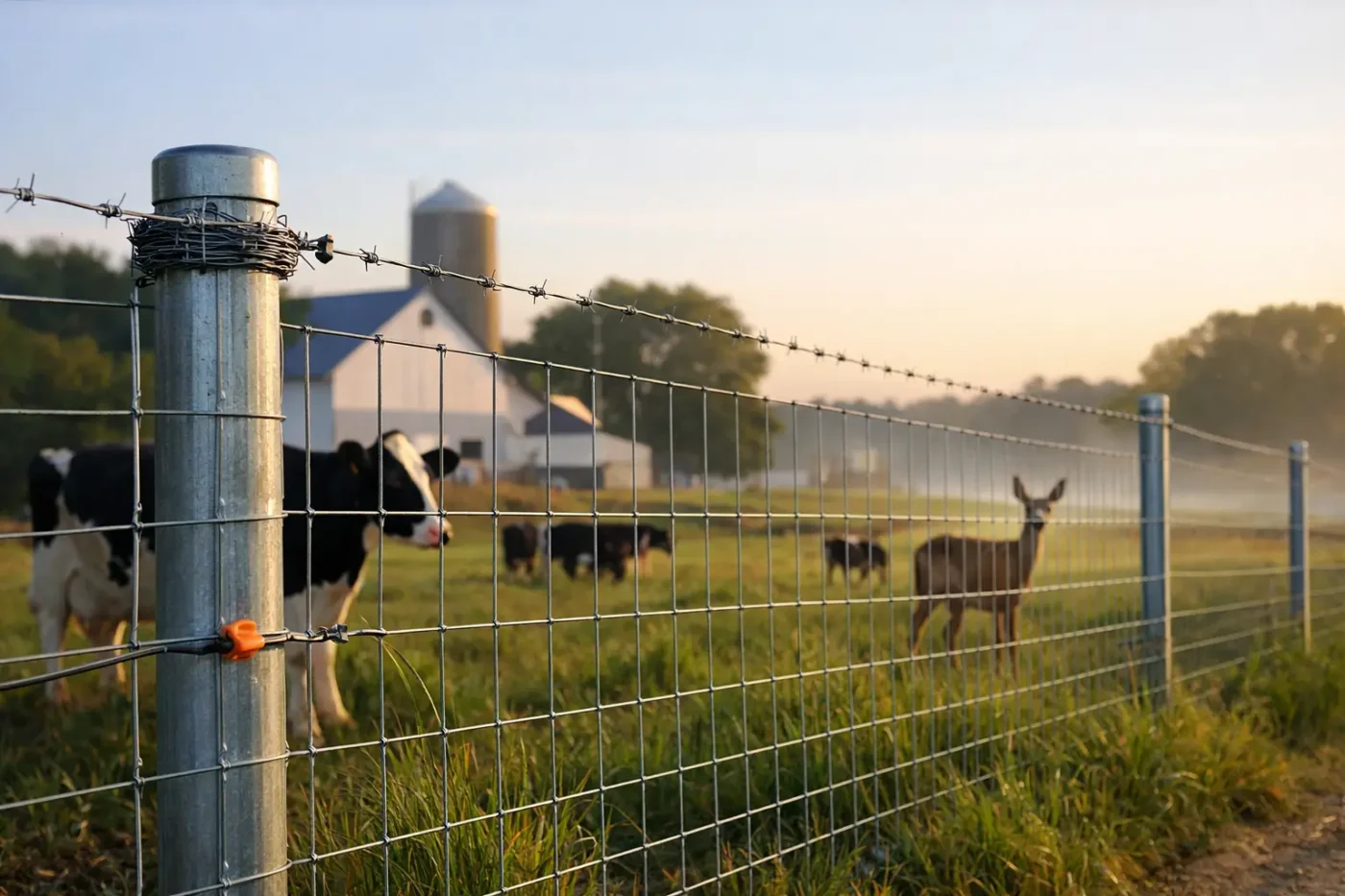
A biosecurity plan can look sound on paper until a stray dog reaches lambing paddocks, feral pigs push through a creek line, or a visiting contractor drives straight into the wrong area. Farm biosecurity fencing puts a physical control around the risks that matter on your property. Done properly, it helps manage animal movement, visitor access and the spread of pests, weeds and disease without making day-to-day farm work harder.
For rural properties, the best result is rarely a single fence type run around the entire boundary. It is a practical system built around livestock, terrain, access points and the threats you are actually managing. That may mean upgrading one vulnerable boundary, creating a secure holding area near the yards, improving gates, or combining exclusion fencing with vegetation and drainage work.
What farm biosecurity fencing needs to achieve
A fence is one part of farm biosecurity, not the whole plan. Cleaning machinery, isolating new stock, managing feed and water, and recording visitors still matter. But fencing creates the line that makes those other measures easier to control.
The job may be to keep domestic animals in, keep unwanted animals out, or separate different livestock groups. On many properties it is all three. A well-planned fence can reduce contact between cattle and neighbouring stock, stop dogs entering poultry or lambing areas, limit feral animal access to feed, and direct vehicles through a designated entry point.
It also needs to suit how the place operates. A fence that is difficult to open with a ute, fails where stock regularly pressure it, or blocks machinery access will soon be bypassed or damaged. Biosecurity only works when the system is practical enough to be used consistently.
Start with the risks on your own property
Before selecting wire, posts or gate hardware, walk the property and identify where risk enters and where it can spread. Boundary fences are an obvious starting point, particularly where neighbouring livestock, public roads, bushland or travelling stock routes adjoin the property. Still, internal fencing can be just as valuable where new animals are held, livestock are loaded, or higher-risk activities take place.
Look closely at creek crossings, gullies, flood-prone flats and thick vegetation. These are common weak points. Water can wash debris into a fence and leave wire slack. Fallen timber can create a ramp for dogs or pigs. Dense regrowth along a boundary makes inspections slower and gives animals cover to test the line.
Access deserves the same attention as the fence itself. A biosecurity fence with multiple unmarked gaps, worn farm gates and open gateways is not providing reliable control. Decide where people, stock and machinery should enter, then make that route clear and convenient. A good gate position can reduce unnecessary traffic through paddocks and make it easier to maintain a visitor register, wash-down point or stock isolation area when required.
Questions worth asking before construction
Consider the stock you run now and what may change over the life of the fence. Horse fencing has different visibility and safety needs from a dog-proof barrier. Cattle can lean heavily on poorly braced corners, while goats and sheep will find gaps that larger stock ignore. If lambing, calving or poultry areas require a higher level of protection, that may justify a separate secure zone rather than an expensive upgrade across every kilometre of fencing.
Also consider the threat. Foxes, wild dogs, pigs, kangaroos and wandering domestic animals behave differently, so there is no one-size-fits-all specification. The right height, wire spacing, apron or skirt detail, electrification and post spacing depend on the animal being excluded, soil type, slope and local pressure. Spending money on material that does not address the real risk is poor value, even if the fence looks substantial on day one.
Choose fence design for strength and maintenance
Long-term performance comes from sound construction, not just heavier wire. Strainer assemblies, braces and stays carry the load of the entire run, especially at corners, changes of direction and gates. If these points move, the fence loses tension and becomes easier for stock and pests to breach.
Post choice should suit the ground and the task. Steel posts and pickets can be efficient across suitable runs, while treated timber, concrete posts or split posts may be better where extra strength, longevity or a particular finish is needed. On rough country, the line needs to follow the ground closely enough that gaps do not open beneath it, without creating unnecessary strain at every rise and hollow.
For exclusion fencing, the lower section is often where success is won or lost. Small openings near the ground, loose bottom wires and washouts under a gate are invitations for smaller animals. In some situations, a properly installed electric offset provides an extra deterrent. It can be highly effective, but only when it is correctly earthed, regularly tested and kept clear of vegetation. An electric wire hidden in grass or disconnected for months is not a biosecurity control.
Materials should be selected with the site in mind. Coastal exposure, wet ground, black soil movement and high-fire country each place different demands on posts, wire and hardware. In regional NSW, a durable result often depends on matching local conditions rather than selecting the cheapest option on a quote.
Gates are part of the security line
Gates receive more use and more abuse than most fence sections. They need firm hanging posts, reliable latches and enough clearance to open after rain, vehicle traffic or minor ground movement. A sagging gate that is left open because it is frustrating to use can undermine an otherwise well-built boundary.
Install gates where they make work easier. Allow room for stock trucks, tractors, slashers and emergency access where needed. On busy areas, a double-gate arrangement or designated service entry can help separate vehicle movement from livestock handling. If visitors regularly arrive at the property, clear signage and a defined parking or turnaround point can prevent vehicles travelling through operational paddocks.
Do not overlook temporary access during construction, mulching, weed control or earthworks. Plan it upfront so a contractor does not need to cut wires or force machinery through a finished fence line. Coordinating fencing with access road, drainage and vegetation work saves rework and protects the new installation.
Prepare the line before the fence goes in
A fence can only be as reliable as the line it sits on. Heavy grass, lantana, fallen branches, old wire and uneven ground make installation harder and future inspections more time-consuming. Clearing a sensible working corridor gives installers access to set posts properly and lets you see emerging issues later.
The aim is not to clear more than necessary. Retain useful shelter and manage vegetation with erosion, habitat and fire exposure in mind. On steep or waterlogged sections, drainage may need attention before fencing starts. Diverting concentrated runoff, repairing a washout or improving a crossing can prevent repeated damage that would otherwise shorten the life of the fence.
This is where using a contractor with both fencing and land-management capability can make a difference. Agtech Fencing & Rural Services can coordinate fence preparation, vegetation management, earthworks and installation so the job is planned as one workable project rather than a series of disconnected fixes.
Inspect the fence before a problem tests it
Biosecurity fencing needs routine checks, particularly after storms, floods, fire, strong wind or periods of high pest activity. Walk or drive the line often enough to catch loose wires, undermined sections, damaged gates and fallen timber before animals find them first.
Pay particular attention to corners, creek crossings, gateways and areas where stock congregate. Check electric components with a proper tester, not by assumption. Keep a simple record of repairs and recurring weak points. If the same location fails repeatedly, it usually needs a design change, better drainage, stronger bracing or a different alignment rather than another quick patch.
A well-built fence should make property management simpler, not create another constant chore. Build the line around the real risks, give gates and crossings the attention they deserve, and allow for maintenance access from the start. That approach gives your livestock, land and day-to-day operation a better line of protection when conditions get tough.